Moths – and many other flying insects – being drawn to human-made light at night is something most people have observed firsthand, across history and around the world. But despite this phenomenon’s ubiquity, good explanations for it have proved elusive. As the UK biologist Samuel Fabian details in a short video from Nature, the most common explanations – that the creatures are drawn to heat or that they mistake artificial lights for the Moon while trying to navigate the night sky – don’t hold up in lab tests. Instead, Fabian argues that new camera technology, finally up to the task of capturing fast-flying insects at night, points to a somewhat novel explanation: what’s known as the dorsal light response, in which insects orient themselves so their upper sides face the brightest area around them.
Do we finally understand why winged insects seem drawn to light?
Video by Nature
Producer: Dan Fox
videoBiology
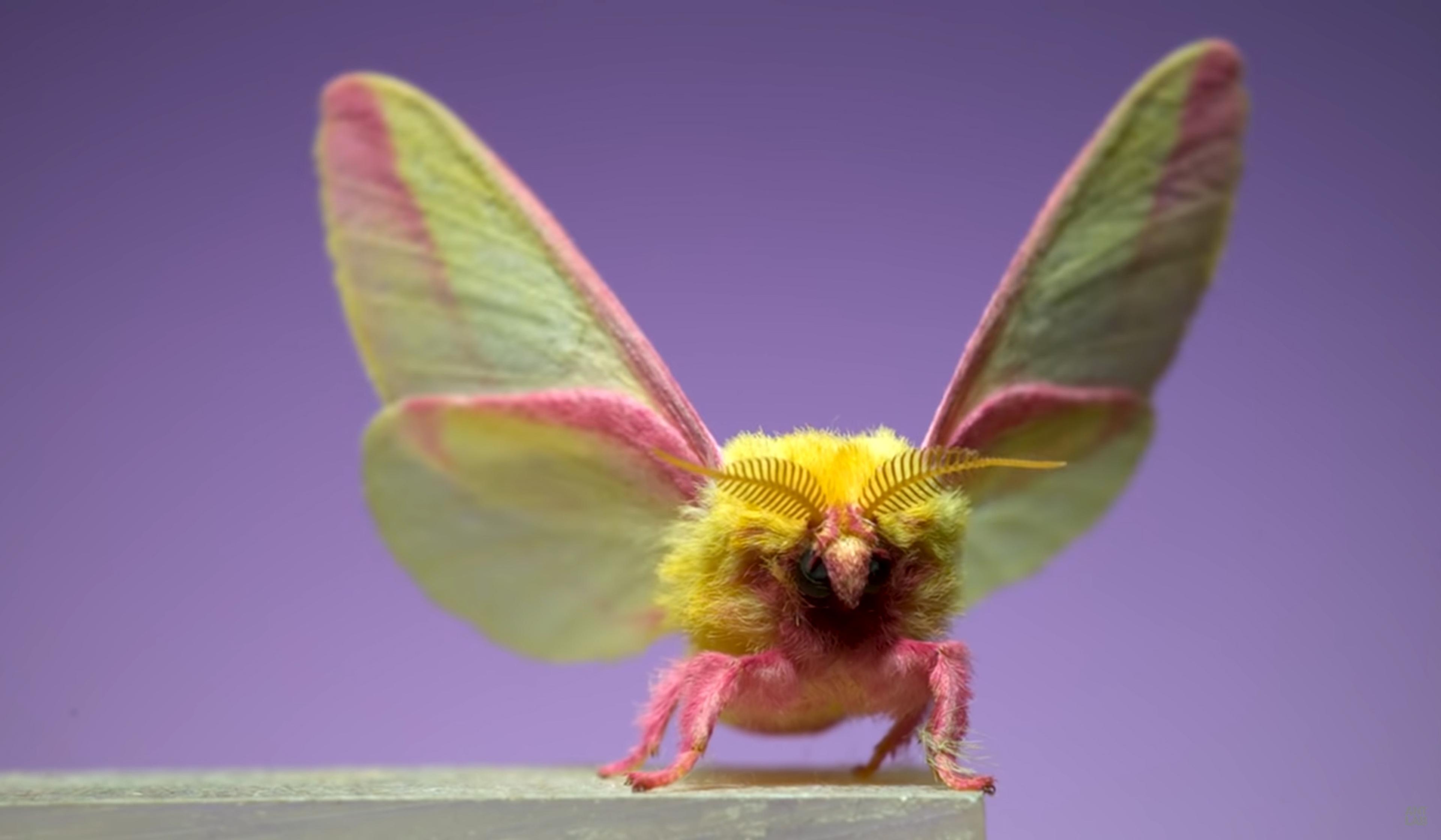
Witness the majesty of moths taking flight at 6,000 frames per second
5 minutes
videoBiology
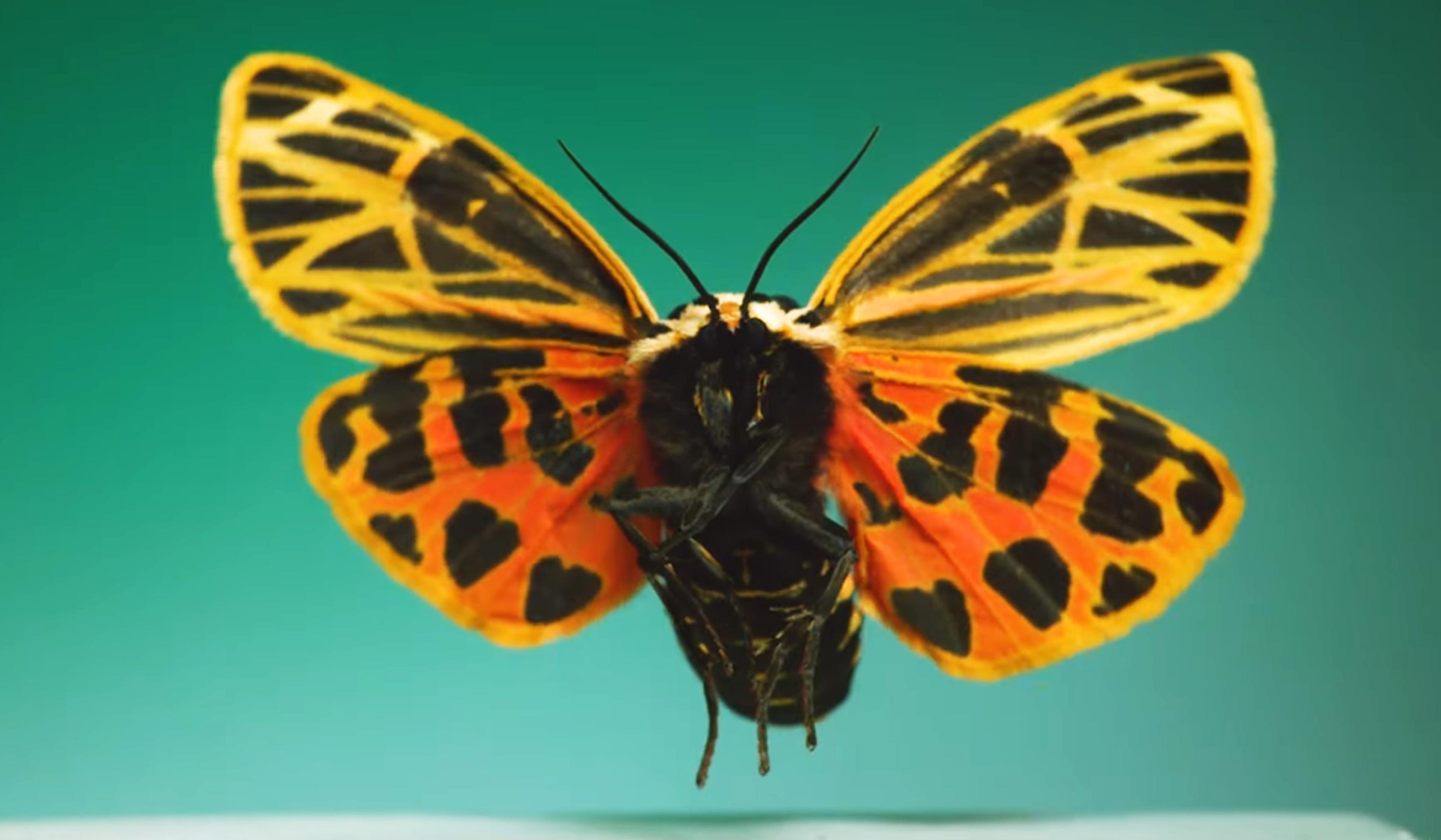
There’s no one way for an insect to fly, but they’re all amazing in close up and slo-mo
7 minutes
videoBiology
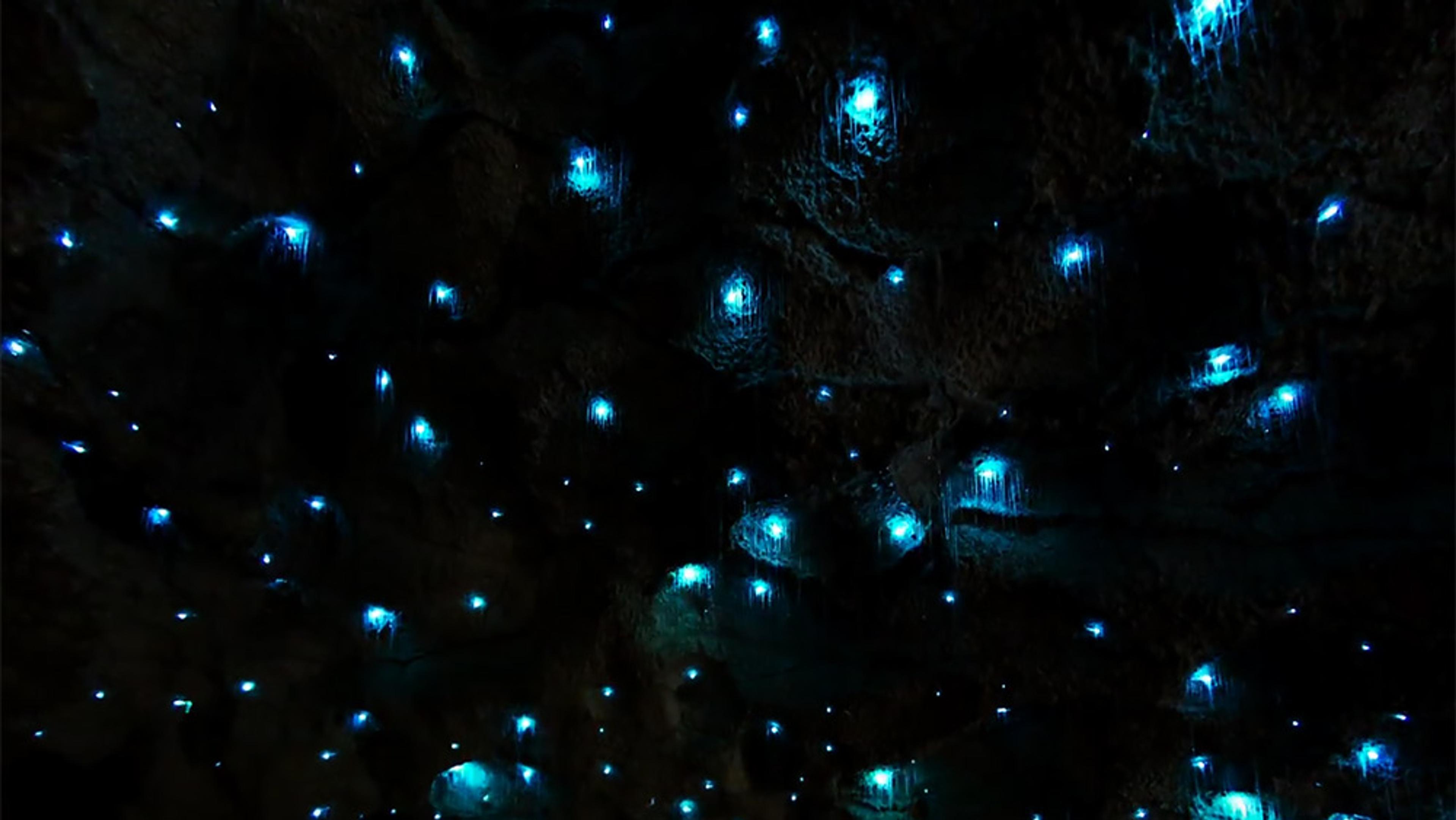
Glow worms mimic stars, creating a stunning faux night sky in a New Zealand cave
4 minutes
videoBiology
How crafty and deadly codebreakers complicate the business of firefly love
4 minutes
videoBiology
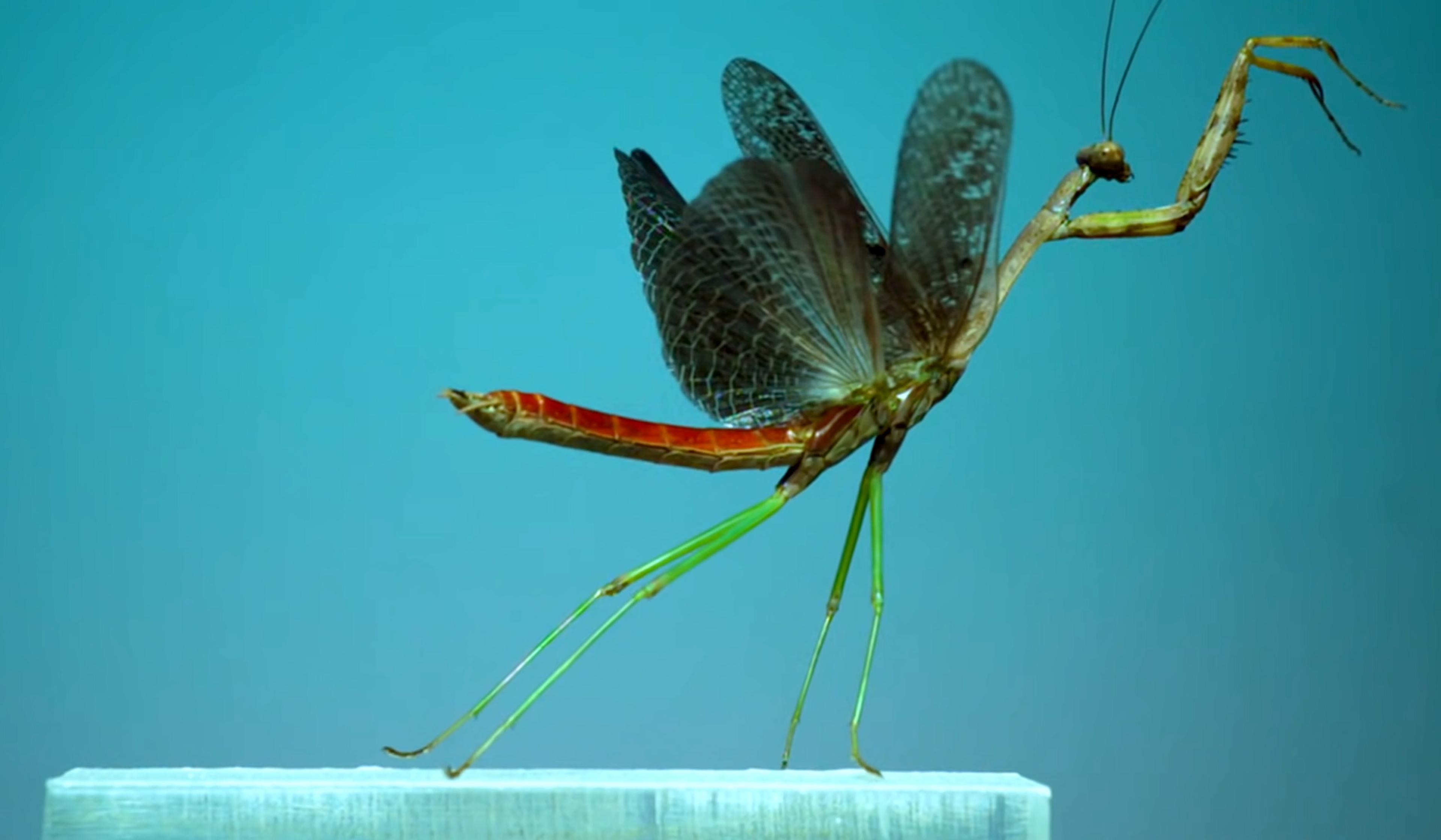
How insects become airborne, slowed down to a speed the human eye can appreciate
8 minutes
videoBiology
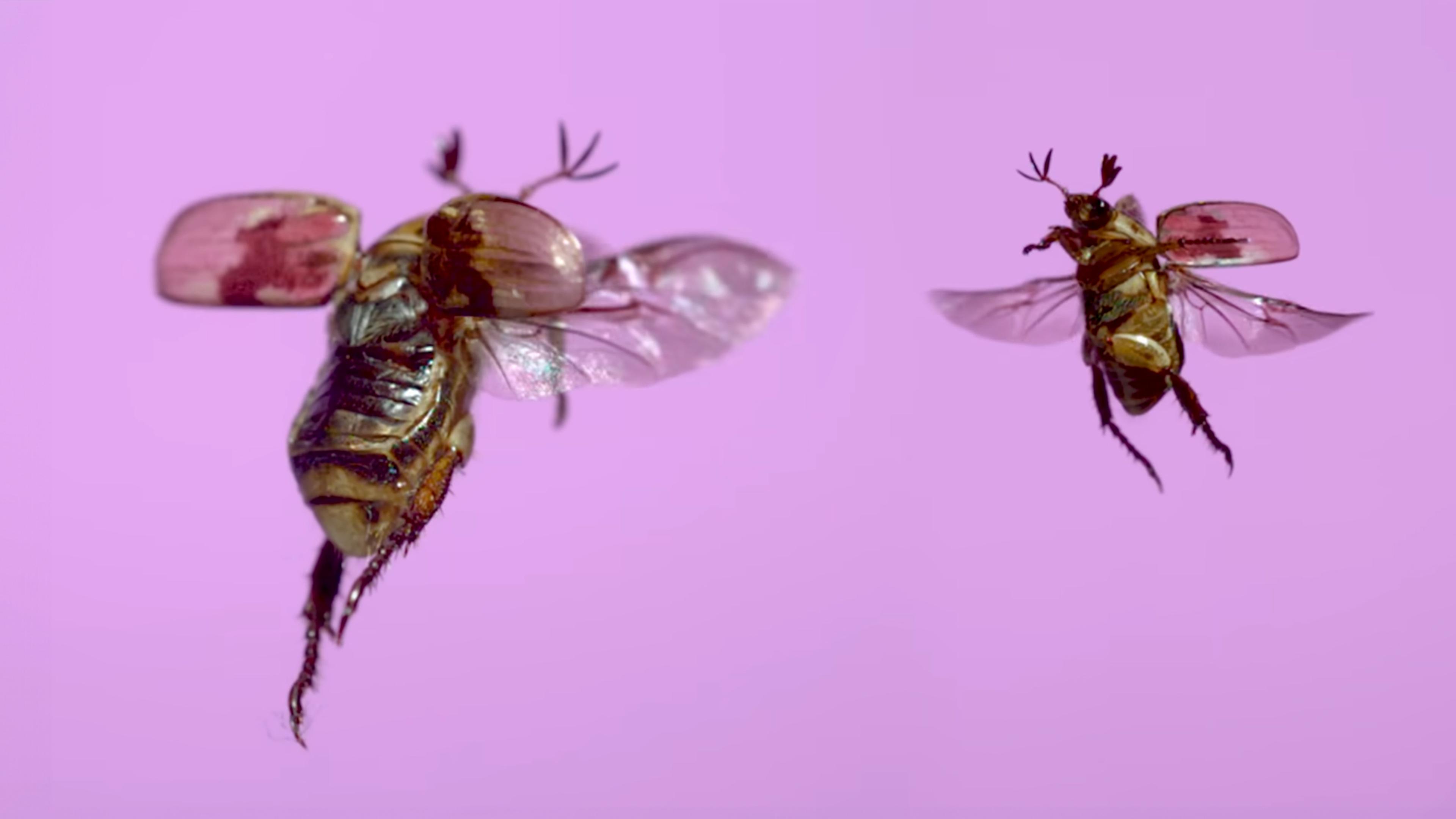
Beetles take flight at 6,000 frames per second in this perspective-shifting short
9 minutes
videoEvolution
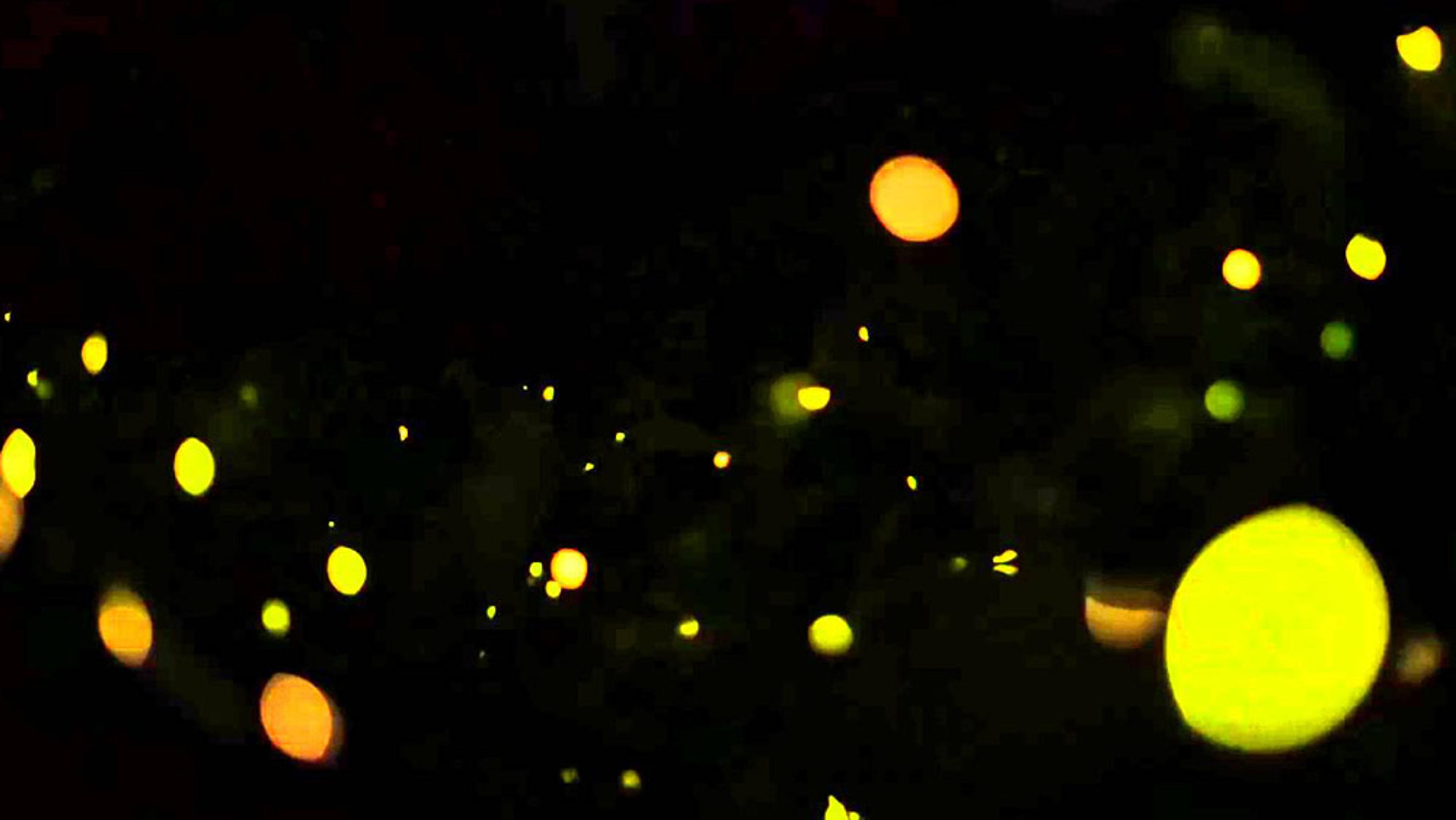
Flashing together: when fireflies meet LEDs, the result is a beautiful lightshow
2 minutes
videoBiology
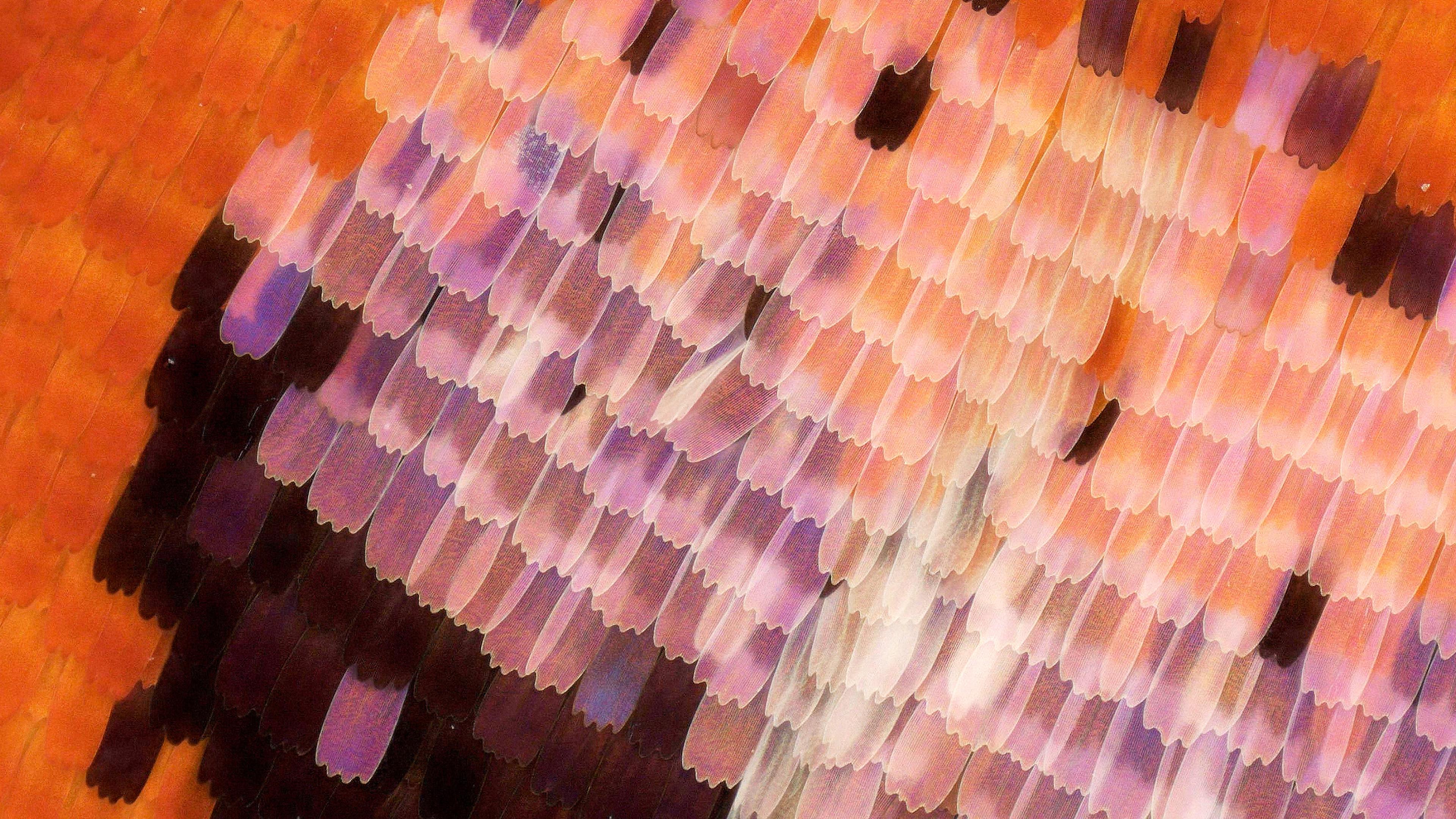
Brilliant dots of colour form exquisite patterns in this close-up of butterfly wings
3 minutes
videoEcology and environmental sciences
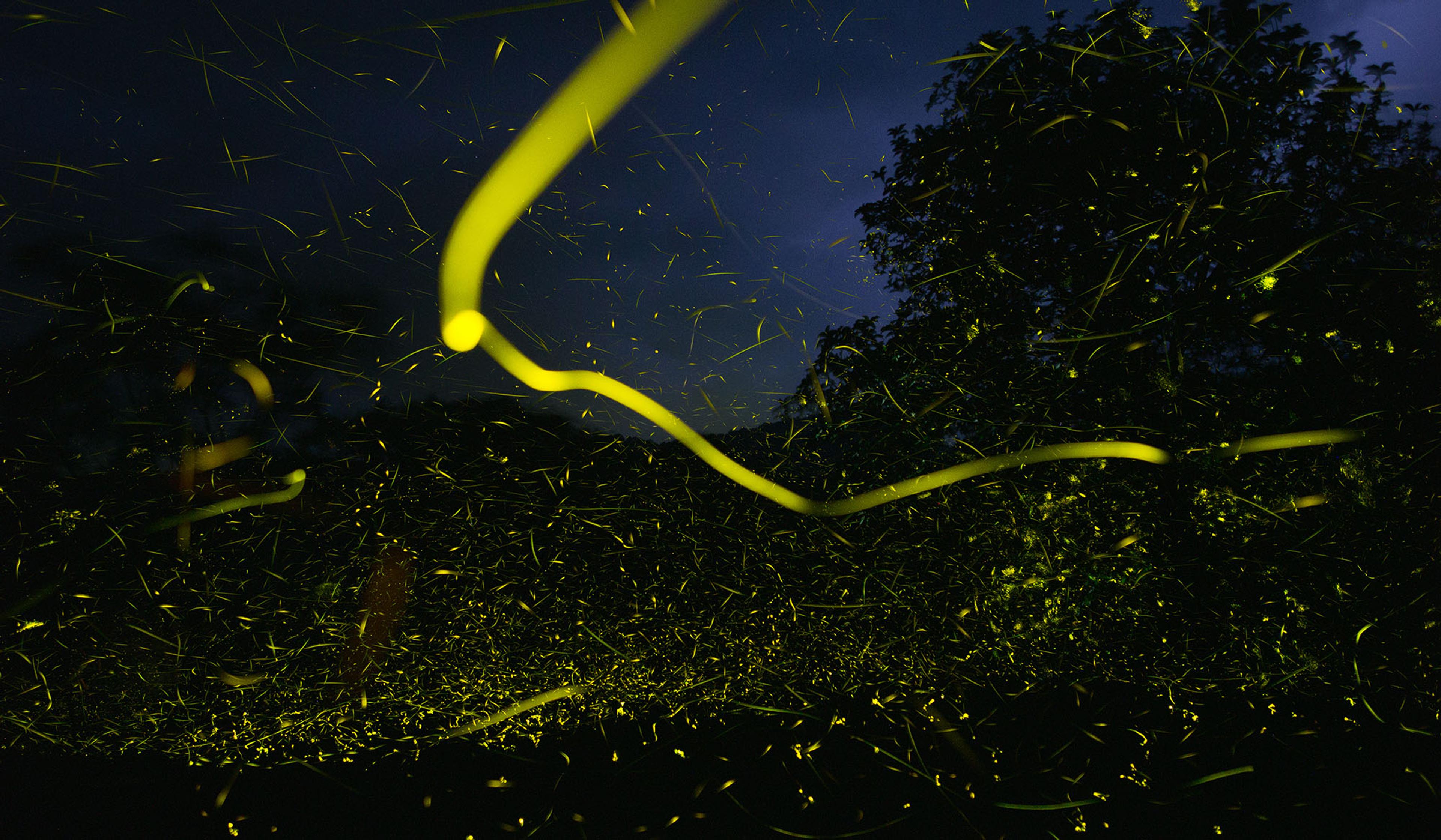
Experience the dazzling displays that fireflies create when humans are far away
5 minutes