Between 1603 and 1868, Japan entered an era of unified rule and isolation known as the Edo period, named after the city of Edo – modern-day Tokyo – which was the seat of government. This TED-Ed animation explores how Edo, which grew from a minor castle town to one of the largest cities in the world during the period, avoided ecological collapse by adopting a ‘circular economy’. Drawing on Buddhist values, Shogunate leadership emphasised local production, low consumption and optimal efficiency, including efforts to repurpose everything from kimonos to human waste. In his exploration of Edo, the philosopher Roman Krznaric both highlights an alternative way of viewing economic efficiency compared with today’s consumption-driven economies, which so often leave environmental wreckage in their wake, while also offering an honest perspective on the downsides of the Edo approach, including its authoritarian strictures.
The extraordinary efficiency of Japan’s Edo economy

videoArt
Watch as Japan’s surplus trees are transformed into forest-tinted crayons
4 minutes

videoDemography and migration
Amid massive urbanisation and modernisation, rural Japan persists in idiosyncratic corners
30 minutes
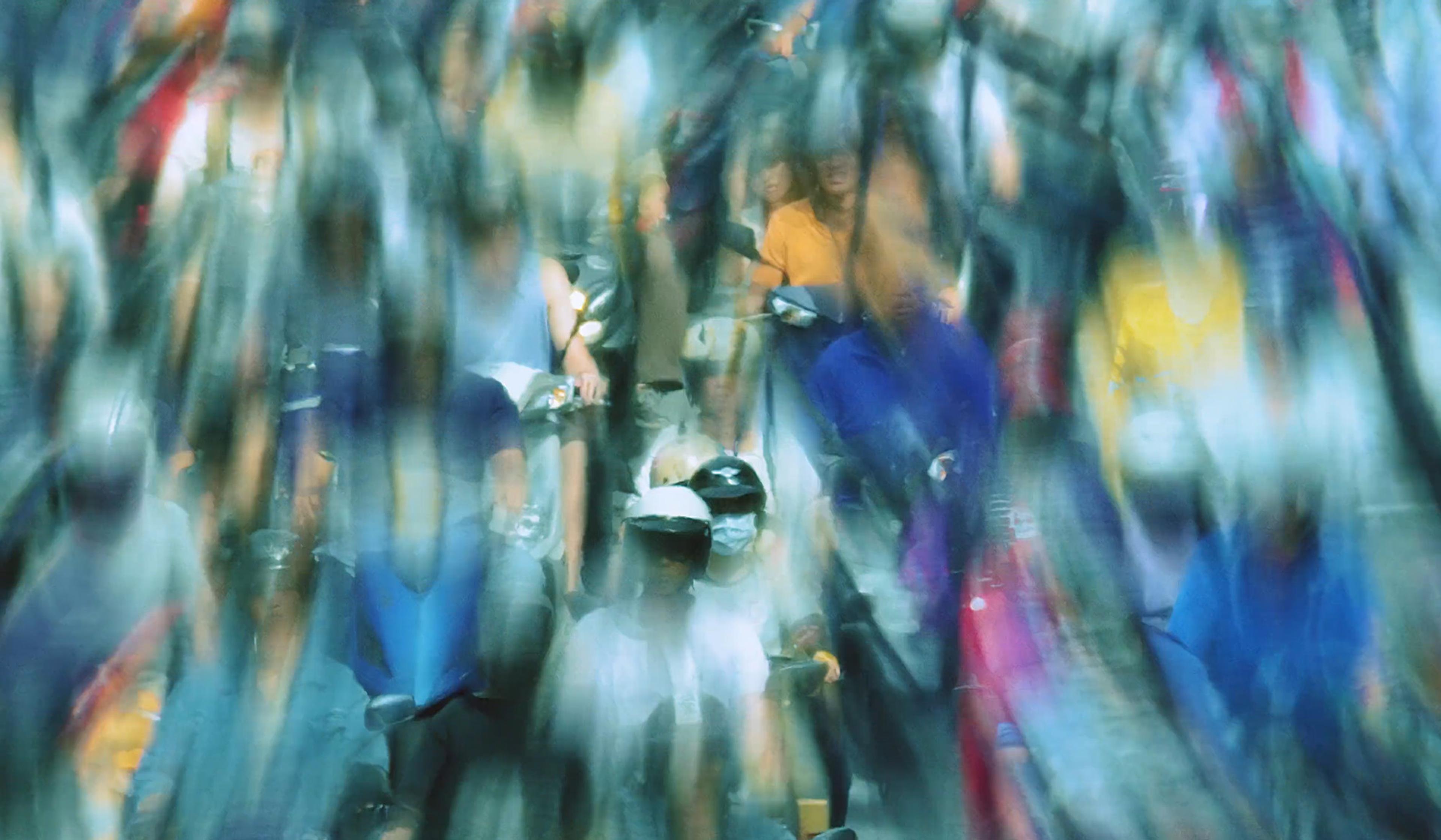
videoCities
Time dilates and people flow in and out of each other in a hallucinatory urban commute
3 minutes

videoArt
Is this what a city looks like in its dreams? A 360° dive into Tokyo
5 minutes

videoEconomics
A tour of New York’s gaudiest neighbourhood with the Marxist geographer David Harvey
13 minutes

videoEconomics
Stop deferring to the experts. Economics demands everyone’s attention
11 minutes

videoDesign and fashion
Sublime colours brought back from oblivion – the exquisite effects of natural dyes
18 minutes

videoMathematics
Delight as the hard-edged world melts into a full-rainbow spectrum of reality
2 minutes

videoCities
A night-time drive through Tokyo transforms into a dizzying sensory experience
2 minutes