In his landmark workThe Protestant Ethic and the Spirit of Capitalism (1905), the German sociologist Max Weber offered a radical and sweeping explanation for the rise of modern capitalism. He saw capitalism arise first in Protestant countries so, contrary to the Marxist explanation, Weber claimed that it was Protestantism that drove the transformation to capitalism. He paid particular attention to the Calvinist doctrine of predestination, which holds that God determines, at the beginning of time, if each human is saved or damned. How could such a stark theological idea lead to capitalism? According to Weber, it introduced an extraordinarily productive tension into human society. While people could not change their souls’ fate, they could hope to see evidence that they might be among the saved through the discipline and fruitfulness of their labour. This brief animation from BBC Radio 4’s A History of Ideas series explores how Calvinism sanctified work, making everyday labour, for the first time in history, a potentially holy activity.
The deeply held religious convictions that kickstarted capitalism
videoWork
‘Brand consultant’? ‘PR researcher’? Why the ‘bullshit jobs’ era needs to end
4 minutes
videoFuture of technology
Tech companies shroud their algorithms in secrecy. It’s time to pry open the black box
4 minutes
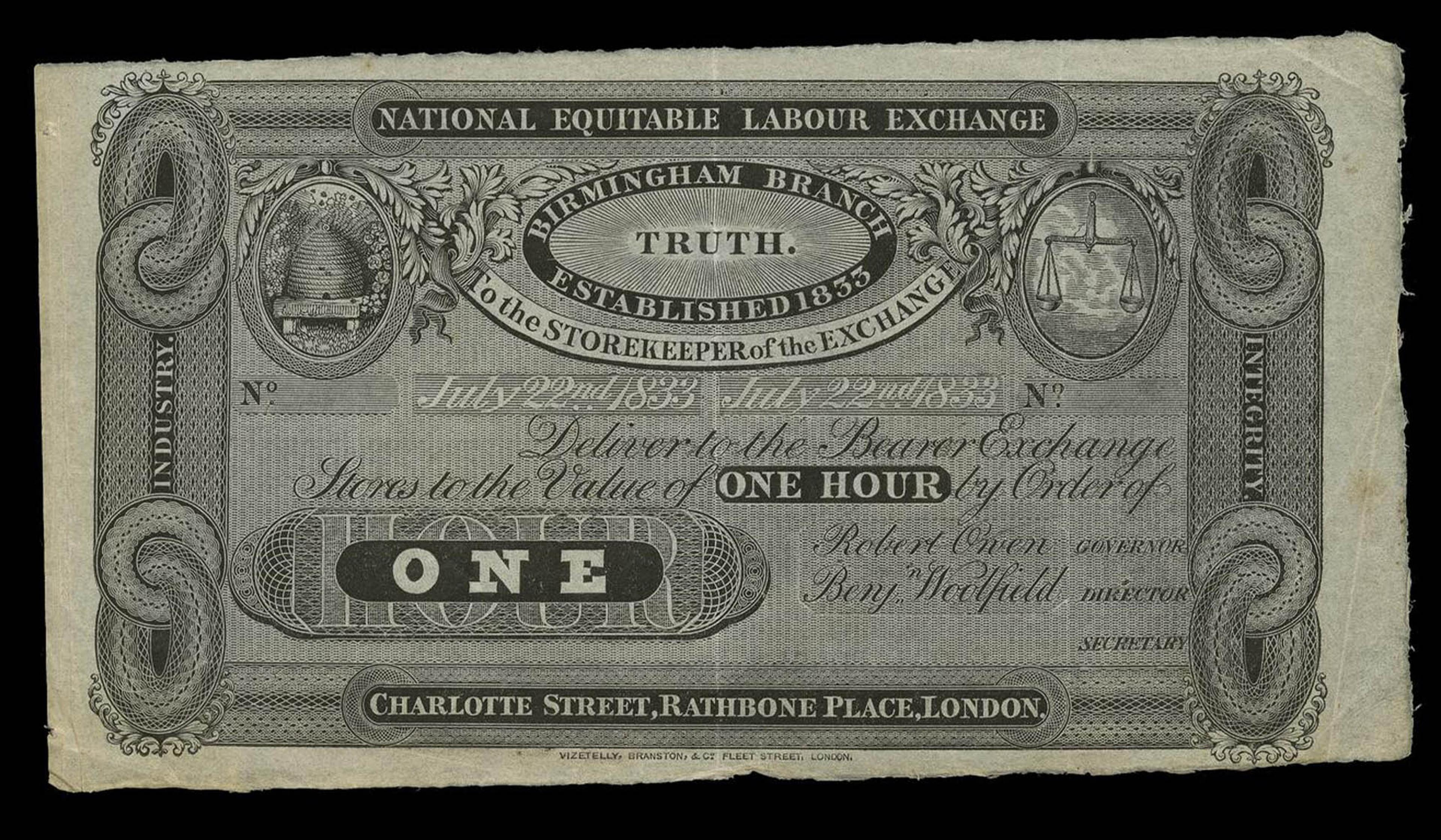
videoEconomic history
One banknote per hour of work – Robert Owen’s utopian reboot of money
4 minutes
videoSocial psychology
Don’t misread Darwin: for humans, ‘survival of the fittest’ means being sympathetic
5 minutes
videoVirtues and vices
Why Jean-Jacques Rousseau and Adam Smith were divided on the virtues of vanity
5 minutes

videoAnthropology
Margaret Mead explains why the family was entering a brave new world in this 1959 film
29 minutes
videoMeaning and the good life
Leading 1950s thinkers on the search for happiness in trying times
29 minutes

videoThinkers and theories
Freedom is learning to like what it’s rational to like: Spinoza’s ‘abominable heresies’
6 minutes
videoSocial psychology
Feeling connected to objects is a fundamental – and fraught – part of human nature
5 minutes