Listen to this essay
28 minute listen
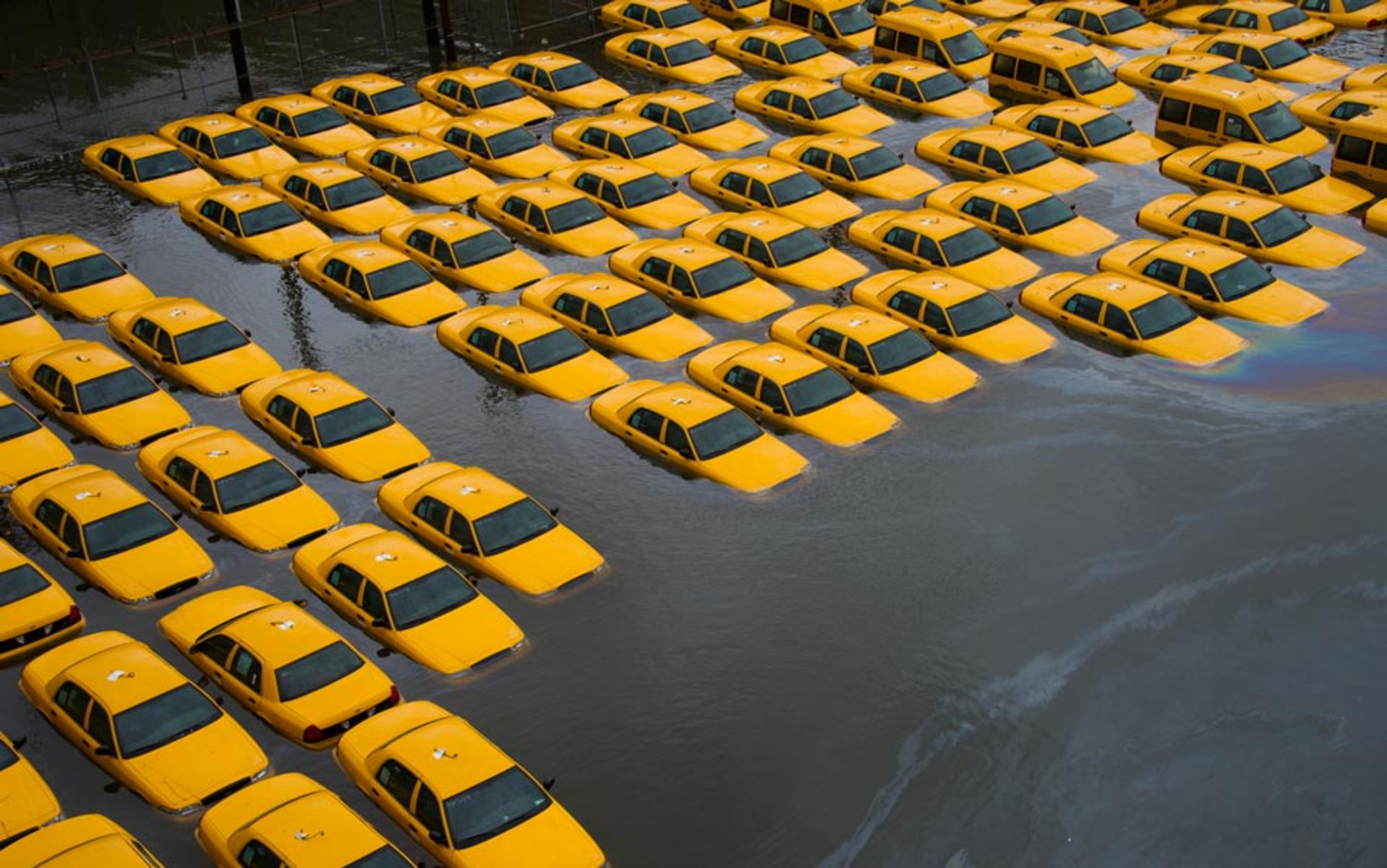
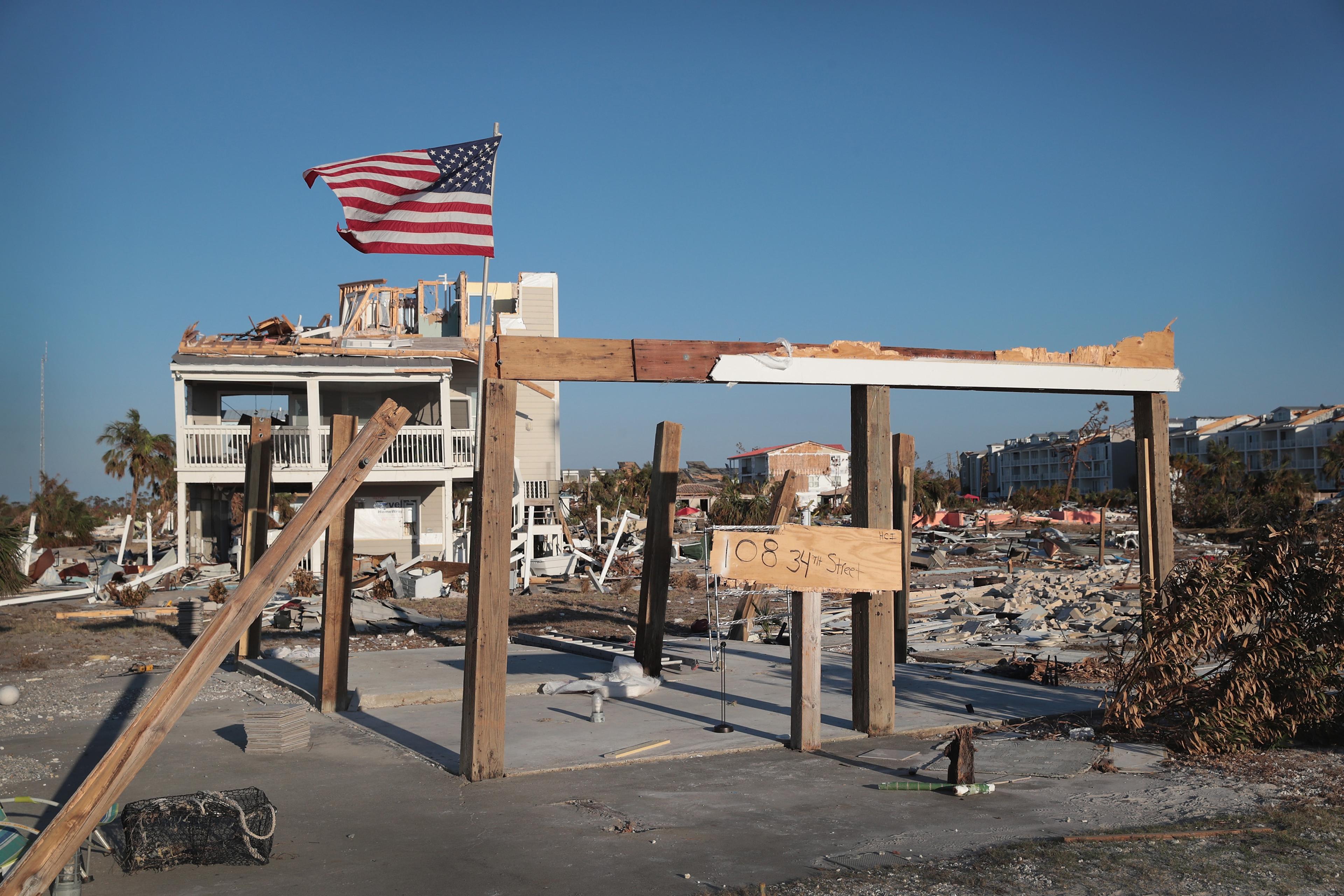
The Florida peninsula looks like a sore thumb. It juts into the Gulf of Mexico and the Atlantic, where the water is getting warmer year on year, prompting fiercer hurricanes that can blow down houses like collapsing decks of cards. Climate scientists are convinced all hell will break loose sooner or later when a monster-sized, property-destroying storm makes a direct hit on Miami or Tampa-St Petersburg. Given three near-misses in the recent past, the experts view such a calamity as inevitable. It’s a huge risk for anyone living there – they stand to lose everything – but also for those bearing the financial side of this risk, the insurance companies. Some in the industry are seeing this as a portent for their future – an impending existential threat with profound implications for the economic system.
There are no easy solutions for people still paying off mortgages and those who want to buy property along the Florida coast, because the potential payout on the back of a mammoth storm is so high that the reinsurers (who insure the insurers against catastrophe) are refusing to underwrite their clients and, with no reinsurance, there’s no insurance; and with no insurance, no mortgages; and with no mortgages, no property market. Insurance protects investments against loss and is therefore a pillar of the economic system. If it goes, economies are destabilised.
Many panicked homeowners have rushed to make their houses less risky for insurance companies by reinforcing their roofs with hurricane clips, installing impact-resistant windows, doors and shutters, and strengthening their foundations. But it’s not just storms and higher, warmer seas that concern insurers. Rising temperatures mean that the frequency, range and ferocity of wildfires are also on the rise.
So far this year, 3,374 wildfires have burned an area of Florida totalling 231,172 acres (at the time of writing), and it is even worse in California where 7,855 blazes have killed at least 31 people, destroyed more than 17,000 houses and devoured 525,208 acres of land, at an estimated cost of more than $250 billion. Here, too, homeowners rushed to make their properties more palatable to cold-footed insurers – clearing their surroundings of anything flammable, covering yards with gravel, sheathing houses with fire-resistant stucco, and replacing wooden roofs with steel.
But, even for the most diligent, insurance companies have turned tail, dumping existing clients and abandoning fire-prone and storm-prone areas altogether. On the Californian fire front, 2024 was a turning point as several insurers ceased issuing new policies because of fire-associated risks, including the United States’ biggest property insurer, State Farm, which cancelled policies in parts of Los Angeles. It is all too easy to view this cynically, but it’s happening because property insurers have been reporting year-on-year losses from climate change-related payouts.
Insurance companies survive by making more money from covering risk than they lose from these risks, which is why they prefer clients less likely to claim (insofar as they can predict the risk involved) and require them to pay substantial excess to discourage claims. When payouts rise above the premium intake, insurance companies either hike up these premiums or withdraw. But when that risk is considered catastrophic, potentially affecting many thousands of clients, as with Floridian storms and Californian fires, it is the reinsurers who are the first to retreat because they will ultimately bear most of the cost.
Reinsurers aggregate payout patterns to establish the likelihood of having to make huge payouts from future natural catastrophes. They do this by gathering exposure data from existing insurers in a geographical area, and by examining catastrophe models (computer simulations that estimate potential losses from natural perils). When they put all this together with detailed analysis of conditions within the area, they come up with a figure for their total potential loss if a catastrophic event strikes.
This is why reinsurers focus so intensely on climate change. Take a glance at the websites of big ones like Swiss Re and Munich Re and you get a sense of how central this is to their calculations – a concern that has spread to property insurers who are starting to hire climate consultants. Even more than market volatility, climate is their biggest headache. ‘You won’t meet a single insurance or reinsurance CEO who doesn’t believe in climate change,’ the insurance investor and former Lombard Insurance CEO James Orford told me. ‘They see it in the numbers – a combination of more extreme, less predictable events, combined with big losses of sums insured. All the modelling suggests these are uninsurable risks.’
Property values plummet in areas where insurers refuse to operate
If we look at the history of insurance, we can see how the idea of paying to protect investments emerged, although the early insurers did not have a concept of ‘uninsurable risk’. The first hint (relating to a shipping agreement) comes from ancient Babylon, but insurance contracts really start in Genoa in the mid-14th century – again relating to the precariousness of shipping. Investors financed expeditions in the hope that they would bring back profitable spoils, but they often lost ships, and therefore their investments, to storms, pirates, rocky coasts and freak waves, which is why they needed someone to cover these potential losses for a fee.

A London coffee house, c1690-1700. Courtesy the British Museum
One of the first insurance companies in the world grew out of Edward Lloyd’s coffee house in Tower Street, London, which was a hub of shipping information. It began in the 1680s with shipowners, merchants and captains taking bets on which ships would make it back to port. Lloyd began renting out ‘boxes’ (tables) where entrepreneurs sold insurance to shipowners who knew their ships might not return, transferring the risk from the shipowners to themselves. It became possible for these shipowners to take a gamble on a precarious voyage with some degree of impunity because the risk was diffused in a way that is analogous to modern-day spread betting.
Incidentally, what became Lloyd’s of London relied heavily on the slave trade, with policies that covered both the ship and the enslaved people – a money-making line that thrived for 118 years until the abolition of the slave trade in the British Empire in 1807. There was at least one case (the Zong massacre of 1781) of owners throwing their enslaved ‘cargo’ (133 people) overboard to claim on insurance.
The Great Fire of London in 1666, which left 100,000 people homeless, was a catastrophe on a scale that encouraged new thinking about the security of property, prompting the expansion of insurance from ships to houses. Only the super-rich had the capital and savings to ‘self-insure’. For the rest, if their house or shop was incinerated, they were left with nothing. After the fire, companies saw potential profit in taking on the risk in exchange for premiums. In this way, they offered people personal security, which, in a sense, democratised the risk of fire. One of the first companies to offer property insurance was the Hand in Hand Fire and Life Insurance Society, founded in 1696. Fire was also crucial in the US where, in 1752, Benjamin Franklin helped standardise property insurance by founding the Philadelphia Contributionship for the Insurance of Houses from Loss by Fire.
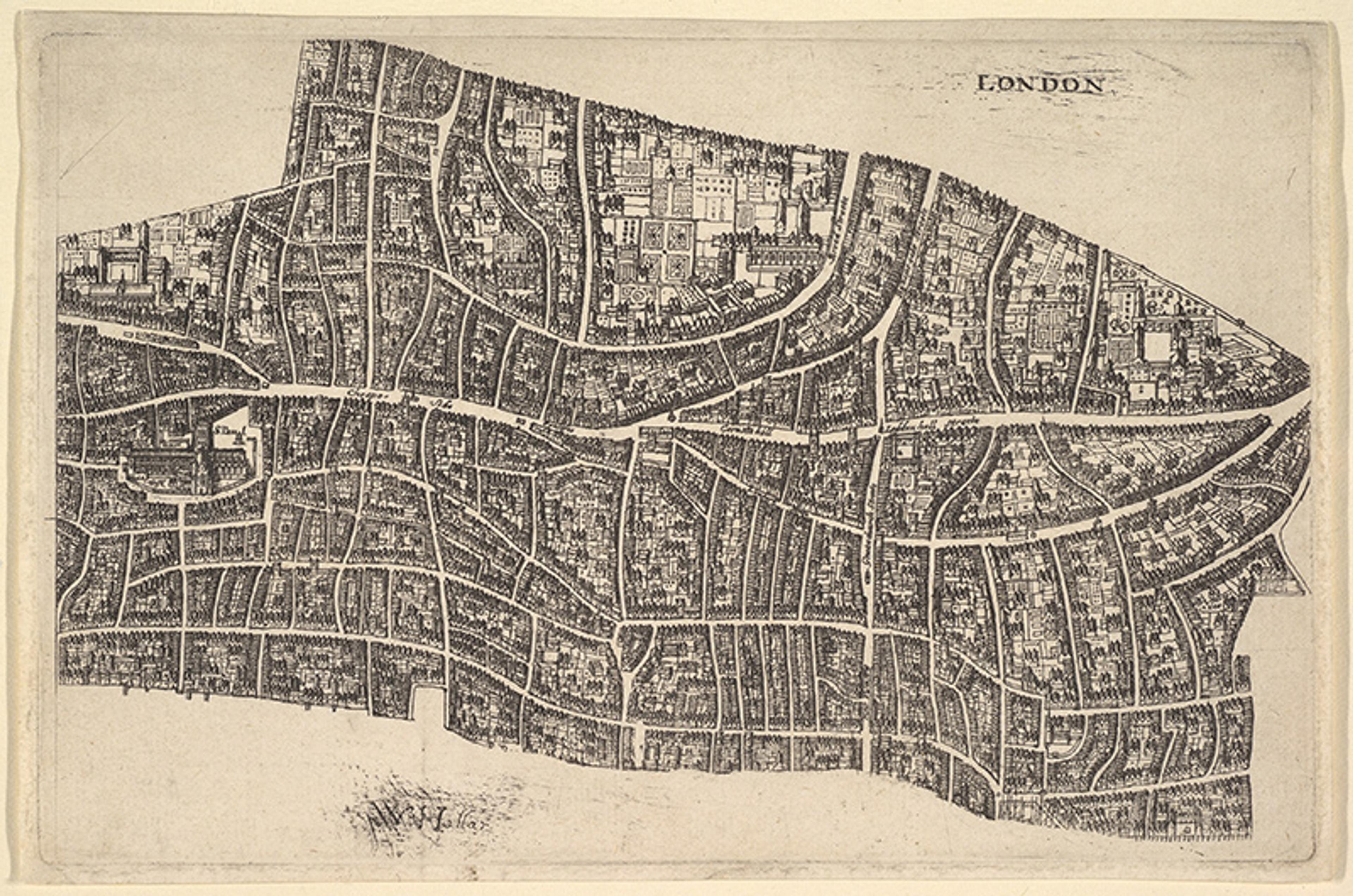
London before the Great Fire (1666-77) by Wenceslaus Hollar. Courtesy the Met Museum, New York
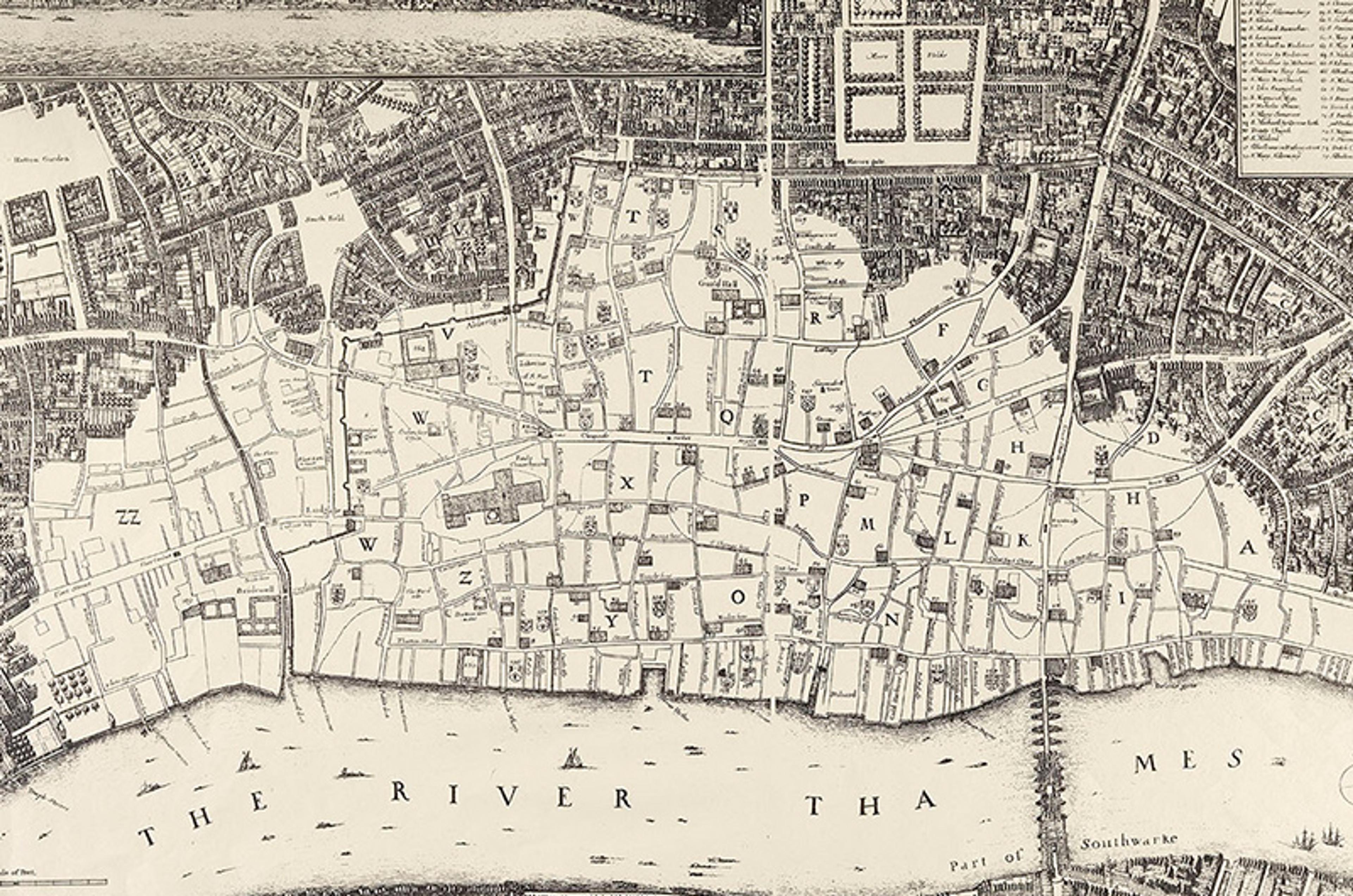
London after the Great Fire, 1667. Courtesy the National Archives
What emerged in tandem with the growth of capitalism was a system in which insurance and investment were bound together until it became integral to the economic system, seen as essential in protecting investments. This is why today you can’t get a mortgage without it. Property values plummet in areas where insurers refuse to operate – known as ‘redlining’ because of the discriminatory practice of drawing a red line on maps around an area they want to avoid.
When insurers depart, so do the banks that lend money for mortgages
In his book The Mystery of Capital (2000), the Peruvian economist Hernando de Soto argued that the key to securing wealth in capitalist economies was legally tight property ownership, used as collateral for loans to create new businesses and to invest in others. ‘What the poor lack is easy access to the property mechanisms that could legally fix the economic potential of their assets,’ he wrote – in other words, to turn their assets into capital.
One reason why the net worth of Black Americans is just 15 per cent of that of white Americans is that insurers and lenders redlined Black areas (race was used as a proxy for risk) – a practice that started in the Great Depression and, although outlawed in 1968, continued covertly until at least the 1990s. Today, insurers are doing something similar, although this time the risk is all too real – often in fire-, flood- and hurricane-prone neighbourhoods that, until recently, were prime real estate. When insurers depart, so do the banks that lend money for mortgages, which means the value of properties in the redlined areas crashes and the economy there goes into a downward spiral, which is disastrous for individual homeowners and for their communities.
‘Places that once housed productive, happy communities will not in the future,’ said Matthew Agarwala, an economics professor at the University of Sussex in the UK, who also researches the financial costs of climate change at the Bennett School of Public Policy at the University of Cambridge. ‘It starts with a few extreme events – fires, floods, storms and landslides,’ he told me, explaining that the increasing scale of these catastrophes eventually persuades businesses to stop rebuilding and investing. Markets then retreat because insurers, lenders and investors ‘do not want to see their capital burn’.
So what are the odds of such divestment taking place on a scale that threatens not just individual homeowners and their communities but the world economy?
Media attention has focused on the US, but it is happening all over the planet. In Australia (the Gold Coast, Adelaide Hills, Shepparton, Newcastle, parts of Western Australia), floods, fires and cyclones have prompted the climate-related equivalent of insurance redlining; in Thailand, Indonesia, Malaysia and the Philippines, it is storms, floods and rising sea levels; in South Africa, Nigeria and Kenya, drought and floods; in Canada (Alberta, British Columbia, Manitoba, Ontario), wildfires and storms. But it is Europe that some reinsurers consider their most climate-vulnerable market, because of the increasing frequency and intensity of wildfires and floods in several countries, with these concerns amplified by the spate of relentless fires in southern Europe in the summer of 2025. Dense populations, not least in ancient cities like Athens that are not fire-protected, exacerbate the risk.
As a result of all this, some big players in the world economy anticipate financial catastrophe, making doom-and-gloom predictions. From their comments, one senses that the climate crisis is not only threatening to destroy property, but is also challenging the confidence of both the insurers and the insured, perhaps providing a hint at fault lines in the economic system.
The American investor Warren Buffett warned his Berkshire Hathaway shareholders in 2024 that climate change had announced its arrival: ‘Someday, any day, a truly staggering insurance loss will occur – and there is no guarantee that there will be only one per annum.’ That same year, the US Senate Committee on the Budget predicted that property values would eventually fall, sending household wealth tumbling, and that the US could be looking at a ‘systemic shock to the economy similar to the financial crisis of 2008 – if not greater’. Addressing the Senate Banking Committee in February 2025, the US Federal Reserve chairman Jerome Powell noted that banks and insurance companies were ‘pulling out of areas, coastal areas and … areas where there are a lot of fires’. He added: ‘If you fast-forward 10 or 15 years, there are going to be regions of the country where you can’t get a mortgage. There won’t be ATMs. Banks won’t have branches.’
Some industry leaders go even further. Günther Thallinger, a board member of Allianz SE, one of the world’s biggest insurance companies, suggested that the cost of extreme weather posed an existential threat to capitalism. ‘This is already happening. Entire regions are becoming uninsurable,’ he wrote in a LinkedIn post in March 2025. ‘If insurance is no longer available, other financial services become unavailable too … The economic value of entire regions – coastal, arid, wildfire-prone – will begin to vanish from financial ledgers. Markets will reprice, rapidly and brutally.’
The underwriters of laissez-faire capitalism are becoming its undertakers
But not everyone is quite so apocalyptic. Some reach for the analogy of the San Francisco earthquake and fire of 1906, which destroyed much of the city, killing 3,000 people, and led to the collapse of several insurance companies and a spell of financial instability. But, within a few years, the system recovered. According to the Harvard historian Jill Lepore, this disaster created momentum towards a central banking system, the Federal Reserve and the introduction of income tax – all tools for better managing risk and weathering catastrophe.
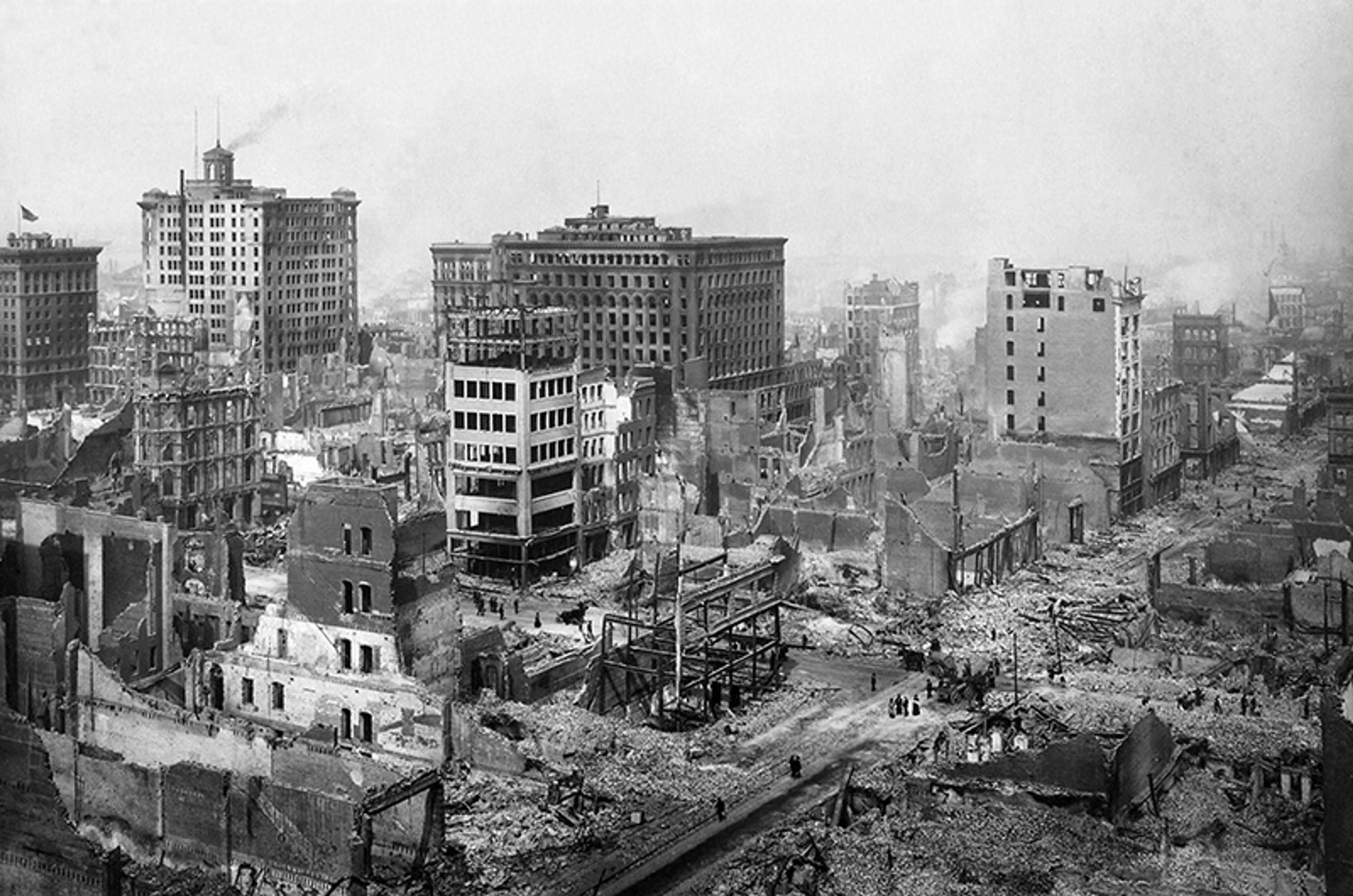
San Francisco after the earthquake of 1906. Courtesy Wikipedia
Orford uses the San Francisco analogy, and expects similar innovation as a result of climate change, although he acknowledges that some insurers will be hit hard and ‘a lot of areas that have been very popular and have attracted very wealthy people will become poorer’. Focusing on Florida, he predicts state-sponsored efforts to restore the mangroves and wetlands, plus code changes to prevent building in sensitive areas. The housing frontline, he believes, will likely retreat 300 or 400 metres inland.
This kind of retreat may become inevitable, but for now it might be said that the underwriters of laissez-faire capitalism are becoming its undertakers because, when insurance companies depart, states feel compelled to enter – to take the risk on themselves, at least until that risk starts to overwhelm their coffers.
Florida intervened through its Citizens Property Insurance Corporation to cover areas abandoned by private insurers, and they also launched their Reinsurance to Assist Policyholders programme to encourage insurers not to leave. In addition, the state pays up to $300,000 per property if an insurer goes bankrupt. Florida also poured money into flood mitigation (barriers, storm-surge defences, stronger building codes, better drainage systems, sea walls), and funded the My Safe Florida Home programme, which offers $2 for ever $1 spent on hurricane-mitigation improvements, while the state offers financial help to people whose homes are destroyed. In 2025, the state also spent more than $45 million on wildfire prevention.
The Californian state government beefed up the California FAIR Plan, a last-resort, state-run insurer for homeowners who can’t get coverage because of the wildfire risk. Today it covers 646,000 properties, a 169 per cent increase since 2021. Thirty-one other state governments fund ‘insurer of last resort’ plans, providing basic home insurance where private insurers won’t offer policies because of wildfires, hurricanes and storms, while, at the national level, the Federal Emergency Management Agency (FEMA) is ramping up its spending on fire prevention and management (FEMA’s $33 billion budget for 2025 is $2.5 billion higher than its 2024 budget).
Insurers often work with governments to find solutions. For example, regular home insurance does not cover flood damage in the US, but, in areas found by state inspectors to comply with flood management rules, you can buy National Flood Insurance Program policies through participating insurers, and the federal government covers deficits when major disasters strike (although in Texas, at the time of the July 2025 floods, the proportion of households with these policies was a mere 7 per cent – and several insurers ceased issuing new policies).
Similar interventions can be seen in other countries. In response to the extreme weather, several European countries have introduced state reinsurance schemes, and the European Union is considering a public‑private reinsurance plan to ensure coverage in areas hit by fires and floods. And when the worst does happen, the EU Solidarity Fund helps member states recover. In the United Kingdom, Flood Re, launched in 2016 as a joint government-insurer initiative, aims to make home insurance more affordable in areas with a high flooding risk – insurers pay a levy into a government-run central fund to help homeowners who might otherwise get no coverage. The UK government has committed to spending a record £2.65 billion as part of a two-year investment to build or repair flood defences.
But are government pockets deep enough to keep the insurance industry afloat in the face of an escalating climate crisis? The answer depends on our prognosis about climate change.
What one part of the world does has a direct impact on all the others, but our world seldom acts in unison
Not even the most optimistic climate scientists doubt that global average temperatures will close in on 2 degrees Celsius above pre-industrial levels because of greenhouse gas emissions, deforestation and the carbon-producing chain reactions they give rise to.
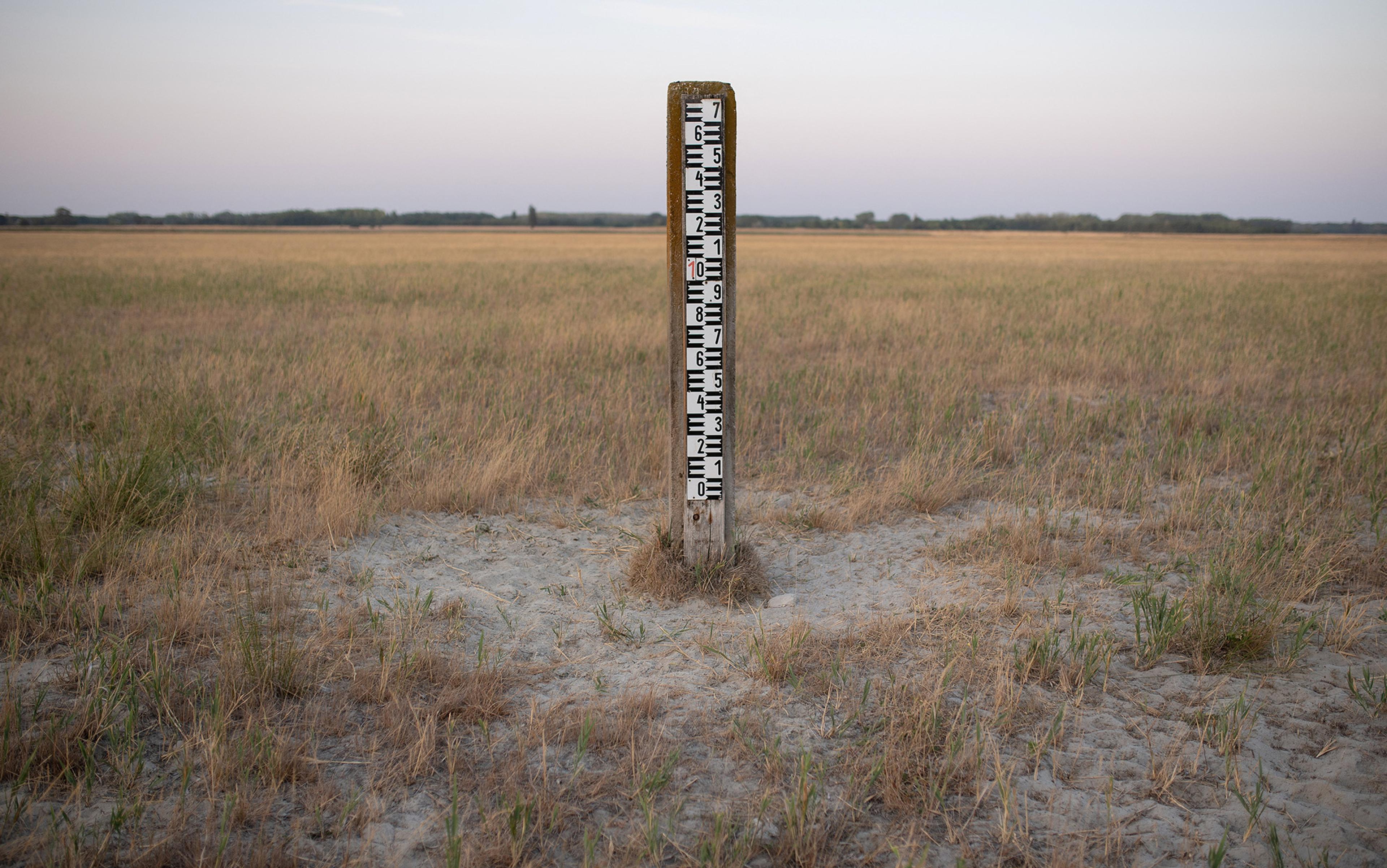
Every effort to reduce carbon emissions, including the rapid growth in the use of solar panels and windmills, has so far been outpaced by our carbon-spewing inclinations. Whether through our cows or our computers, our phones or our energy-gulping AI data centres, our travel or the long-distance ferrying of foreign foods we like to eat, we live in ways that pump carbon into the environment. This affects weather patterns, sea levels and temperature, the viability of forests and the propensity for wildfires and heatwaves. Climate scientists from Imperial College London, who recently analysed mortality in 854 European cities, attribute 16,500 of the 24,400 heat-related deaths between June and August 2025 to the extra-hot weather caused by climate change.
And it is not just our direct emissions that concern the experts. They also fear the chain reactions from feedback loops, which make it harder to control global warming once tipping points are reached. Small changes can trigger huge changes. Ice and snow reflect sunlight, but, when they melt, ocean surfaces and land are exposed, absorbing more heat, prompting more melting. Warmer oceans destabilise clathrates on the seabed, releasing methane (28 times more potent than CO2 at trapping heat in the atmosphere), which further warms the water. Rising temperatures thaw frozen ground, again causing the release of methane and CO2 trapped in the permafrost, prompting yet more warming and more thawing. Fires, drought and heat kill forests, which reduces their ability to absorb CO2, prompting further warming, more forest stress, more fires, on and on.
What one part of the world does has a direct impact on all the others, but our world seldom acts in unison, which makes it more difficult to combat the crisis, particularly now that populist nationalism is on the rise. Donald Trump’s withdrawal of the US from the Paris Climate agreement, his ‘drill, baby, drill’ mantra and his opposition to green industries are discouraging signals that have further dampened international enthusiasm for action, at least at the governmental level. The result is that greenhouse gas emissions are likely to continue to rise, increasing the prospect of runaway climate change through feedback loops, and making the goal of keeping global average temperatures from rising to 2 degrees Celsius above pre-industrial levels more difficult to achieve.
Agarwala says governments face a choice: ‘They can pay upfront to reduce emissions and adapt to the climate change that’s already locked in, or they can pay ex post, to clean up after increasingly frequent and severe catastrophes. Upfront payments have all the benefits of investments, delivering long-run returns. Catastrophe costs are purely downside.’
What this suggests is that if countries are reluctant to combat climate change by adapting their economies in a carbon-neutral direction, their governments will have little option but to mitigate the consequences of their own inaction.
One reason small-staters took on the mantle of climate change denial was that they hated solutions involving high levels of state intervention. Yet, each instance of climate change-related disaster – fires, floods, hurricanes, droughts – has prompted significant government involvement, which goes against the low-tax, libertarian ethos that has become prevalent in the US in recent decades. All governments, whether liberal, conservative or mixed-bag populist feel pressure from citizens to dig deep when it comes to wildfires, storms and floods, although it would seem that governments that espouse the communitarian values associated with social democracy or bigger-state liberalism are more likely to do what’s required.
Republican-run Texas demonstrates what happens when states scrimp. After the flash floods on the Guadalupe River in Kerr county and other parts of Central Texas in July 2025, the state government met with withering criticism for its funding shortfalls when it came to its lack of preparedness and, more specifically, its delayed implementation of flood-prevention plans, the lack of early warning systems, and emergency-response failures – all of which were seen as contributing to the death toll of at least 135 people.
The climate catastrophe gives governments little option but to intervene in people’s lives in ways that are anathema to small-staters
Small-state libertarian ideas, prevalent among part of Trump’s voter base, bubbled away throughout the 20th century, chiming with older values of ‘rugged individualism’. The writer Ayn Rand has long served as a figurehead for those libertarians who believe the only role of government is to protect the ownership of property and defend the realm. This view has gained fresh momentum in the internet age, partly because it became easier to move capital to countries with lower tax rates and less red tape, so the wealthiest members of the tech fraternity – who dream of a no-government future with tax-free, regulation-light, crypto-trading mini-states run by king-like corporate oligarchs – could pressure government to deregulate and cut tax. Their influence is reflected in Trump’s moves to cut the number of government employees, reduce taxation and pare back the welfare state.
And yet, just when libertarianism seems to be having its moment in the sun, it is squaring against water, wind and fire – forces pushing the world in the opposite direction, towards bigger, more interventionist states, increased spending and higher taxes. The impact of the climate catastrophe gives governments little option but to intervene in people’s lives in ways that are anathema to small-staters. But, in the longer term, governments are likely to be overwhelmed as they use taxpayers’ money to pay out more and more climate-prompted property claims after private insurers withdraw from ever-larger chunks of real estate.
‘If the insurers who’ve risen to the top of the world’s largest financial firms can’t make coverage work, I see no reason why governments would be any better,’ said Agarwala. ‘Their choices would be to subsidise recurrent disasters (by taxing or cutting spending elsewhere) or follow the professional insurers in retreat.’ Voters in high-risk and already devastated areas might be willing to pay the higher taxes needed to fund state-backed insurance, but those not directly affected (or not yet) are unlikely to embrace it, which is where the small-state impulse comes in.
As these uninsurable areas spread, so costs rise until politicians feel pressured by funders, lobbyists and voters to give up rather than trying to take on something resembling the role of the former Soviet Union, where the state assumed responsibility because they owned all the property and acted as the ultimate source of relief. Eventually governments may have no option but to wash their hands of their insurance obligations (which has already started in Florida in 2025, where Ron DeSantis’s conservative state government cut back on both its insurance and reinsurance roles). As Orford put it: ‘If I have a house in the interior, I don’t want to be paying taxes for someone who’s got a house right in the path of every hurricane, a house that will get flattened. You’re socialising risks that end up being a burden on the taxpayer because you’re never going to collect enough premium to make up for the scale of the losses. What doesn’t last is voters subsidising other voters for extended periods of time.’
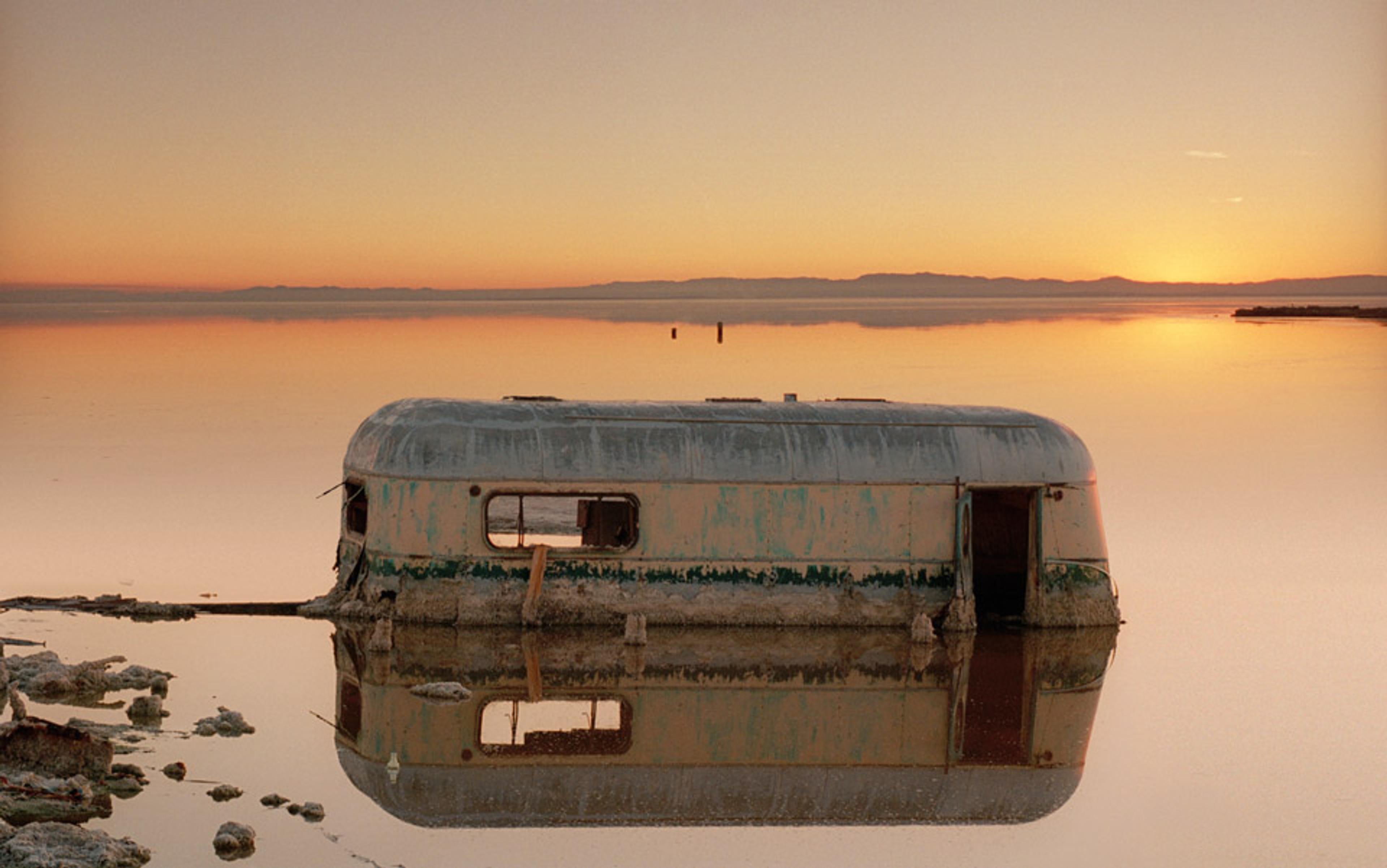
If states do withdraw from insurance and reinsurance, some of the most lucrative areas of the US, Canada, Europe, Asia, Africa and Australia will be devastated: no mortgages and no banks, leading to more ghost towns and villages. ‘It ends with depopulation and abandonment,’ said Agarwala. ‘Climate change reduces the operating space for humanity.’ In the UK, rising sea levels and coastal erosion could literally reduce operating space, putting 200,000 British homes at risk by 2050. There’s no coastal-erosion insurance, which puts more burden on the state, mainly to pay for new defences, but also to help people move.
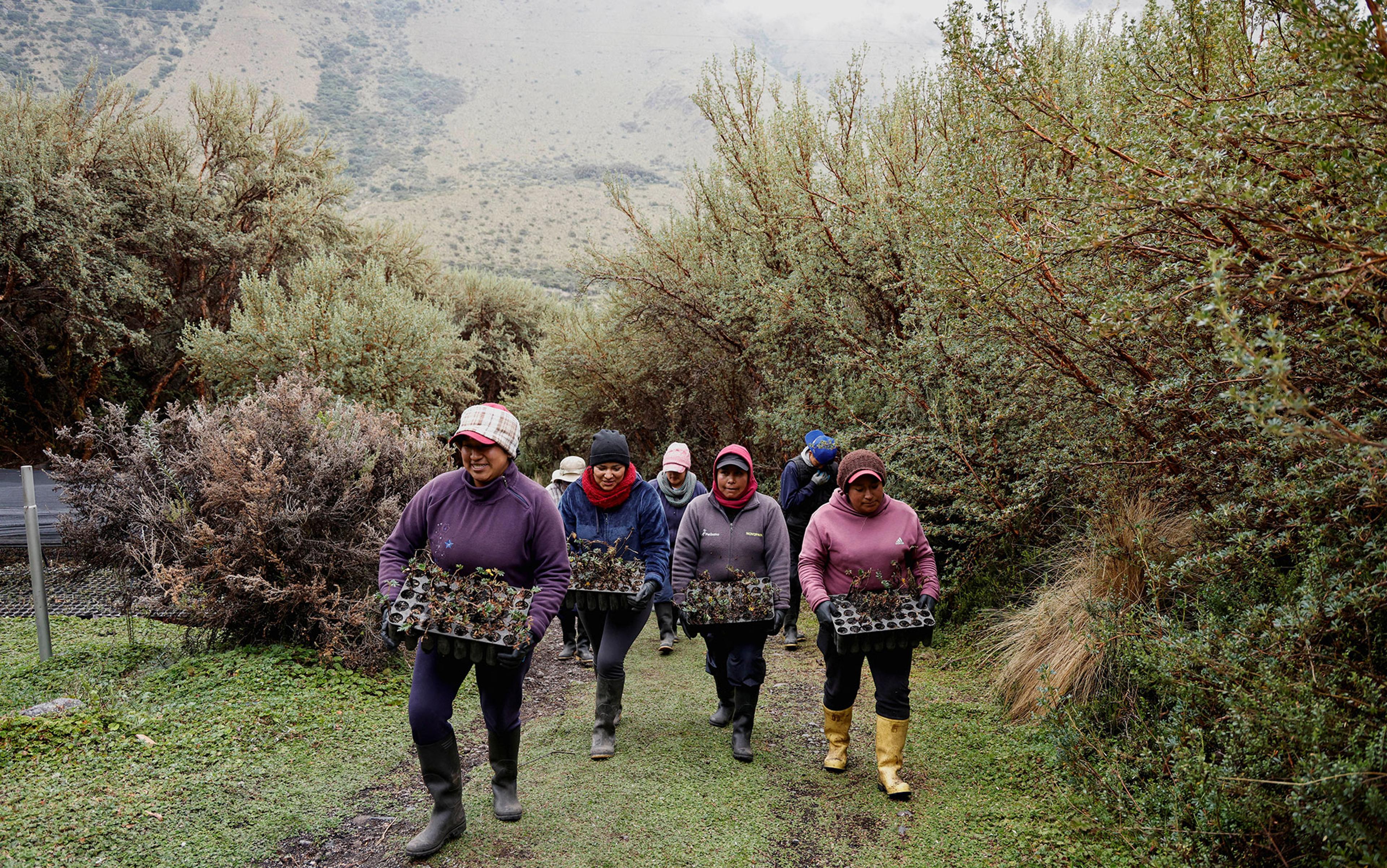
Governments can take action in other ways, by investing greater sums in risk-prevention and management. There are signs of this happening such as the ‘fire-hardening’ and storm-prevention efforts in Florida, and improved flood defences in the UK; meanwhile, the EU’s Recovery and Resilience Facility is being used in several countries to build and renovate operations centres to cope with wildfires, and to buy firefighting helicopters.
In future, it is likely that voters will demand that their state and national governments do far more, regardless of the cost. They will want tougher building codes, including limitations on building in risky areas; expensive fire-prevention and fire-fighting schemes; better flood and storm defences; improved early catastrophe management, involving relocating people from risky areas and, when disaster strikes, rapid life-saving interventions such as large-scale emergency evacuations. If the insurance industry is forced to retreat by the climate crisis, all of this infrastructural investment will require vast chunks of taxpayers’ money. It is hard to avoid the feeling that this is part of our destiny, and that the sore thumb of the Florida peninsula is pointing us to the future.