Listen to this essay
27 minute listen
Popular wisdom holds we can ‘rewire’ our brains: after a stroke, after trauma, after learning a new skill, even with 10 minutes a day on the right app. The phrase is everywhere, offering something most of us want to believe: that when the brain suffers an assault, it can be restored with mechanical precision. But ‘rewiring’ is a risky metaphor. It borrows its confidence from engineering, where a faulty system can be repaired by swapping out the right component; it also smuggles that confidence into biology, where change is slower, messier and often incomplete. The phrase has become a cultural mantra that is easier to comprehend than the scientific term, neuroplasticity – the brain’s ability to change and form new neural connections throughout life.
But what does it really mean to ‘rewire’ the brain? Is it a helpful shorthand for describing the remarkable plasticity of our nervous system or has it become a misleading oversimplification that distorts our grasp of science?
After all, ‘rewiring your brain’ sounds like more than metaphor. It implies an engineering project: a system whose parts can be removed, replaced and optimised. The promise is both alluring and oddly mechanical. The metaphor actually did come from engineering. To an engineer, rewiring means replacing old and faulty circuits with new ones. As the vocabulary of technology crept into everyday life, it brought with it a new way of thinking about the human mind.
Medical roots of the phrase trace back to 1912, when the British surgeon W Deane Butcher compared the body’s neural system to a house’s electrical wiring, describing how nerves connect to muscles much like wires connect appliances to a power source. By the 1920s, the Harvard psychologist Leonard Troland was referring to the visual system as ‘an extremely intricate telegraphic system’, reinforcing the comparison between brain function and electrical networks.
The metaphor of rewiring also draws strength from changing theories in developmental neuroscience. The brain was thought to be largely static after childhood, becoming a fixed network of circuits, much like a hardwired radio. But beginning in the 1960s, researchers showed that the brain was far more adaptable. Stroke patients could regain function by recruiting new areas of the brain.
These findings revolutionised rehabilitation medicine. They also gave rise to an idea that would quickly leap beyond the clinic: if brains can rewire, then people can change.
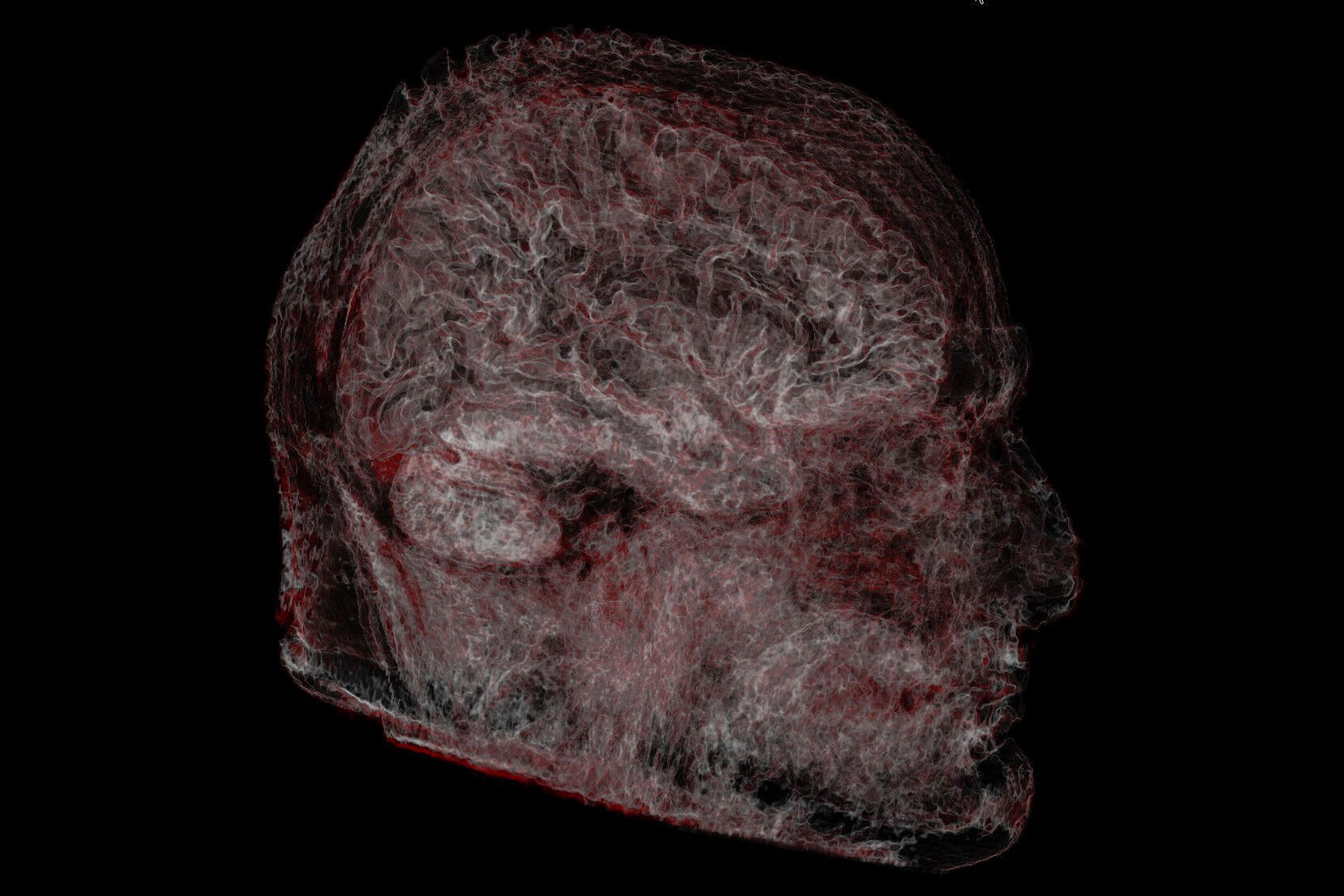
More recently, the metaphor of neural rewiring has gained popularity alongside new imaging techniques like fMRI and PET scans, which allow researchers to see brain activity in ways never before possible. In studies of stroke recovery, clinicians often observe increased activation in brain regions adjacent to or distant from the area of damage. This is interpreted as the brain ‘rewiring’ itself to restore lost function. Popular science writers have embraced the metaphor as well, using it to explain everything from trauma healing to learning a second language.
But unlike electrical wiring, which follows rigid, fixed paths, the brain’s connectivity is dynamic and constantly changing. Neurons form and prune synapses – the connections between them – in response to activity and environment, a process governed by complex biochemical signalling rather than simple rerouting. Even when we can map the parts, the picture doesn’t explain the self. As late as 2013, Francis Collins, the then-director of the US National Institutes of Health (NIH), complained about studies on mapping the brain, in an interview with NPR (US National Public Radio): ‘It’d be like, you know, taking your laptop and prying the top off and staring at the parts inside, you’d be able to say, yeah, this is connected to that, but you wouldn’t know how it worked.’
To evaluate the metaphor, it’s important to grasp how brain plasticity actually works. We already know a lot about the brain’s remarkable ability to reorganise itself throughout life by forming new neural connections, strengthening existing ones or rerouting functions to undamaged areas. But the logic of neuroplasticity isn’t the same as swapping one wire with another. It’s more like a living forest where paths are gradually worn or abandoned based on use. It involves changes at the cellular level and can occur in response to learning, memory, sensory input and trauma. Importantly, while neuroplasticity is a lifelong feature of the brain, it is more robust during youth and becomes more effort-dependent with age.
This capacity allows the brain to adapt to new experiences, recover from injuries, learn new information and compensate for lost functions. Neuroplasticity is real, but it’s not magic. It has limits. It requires effort. And it doesn’t always result in perfect recovery or transformation.
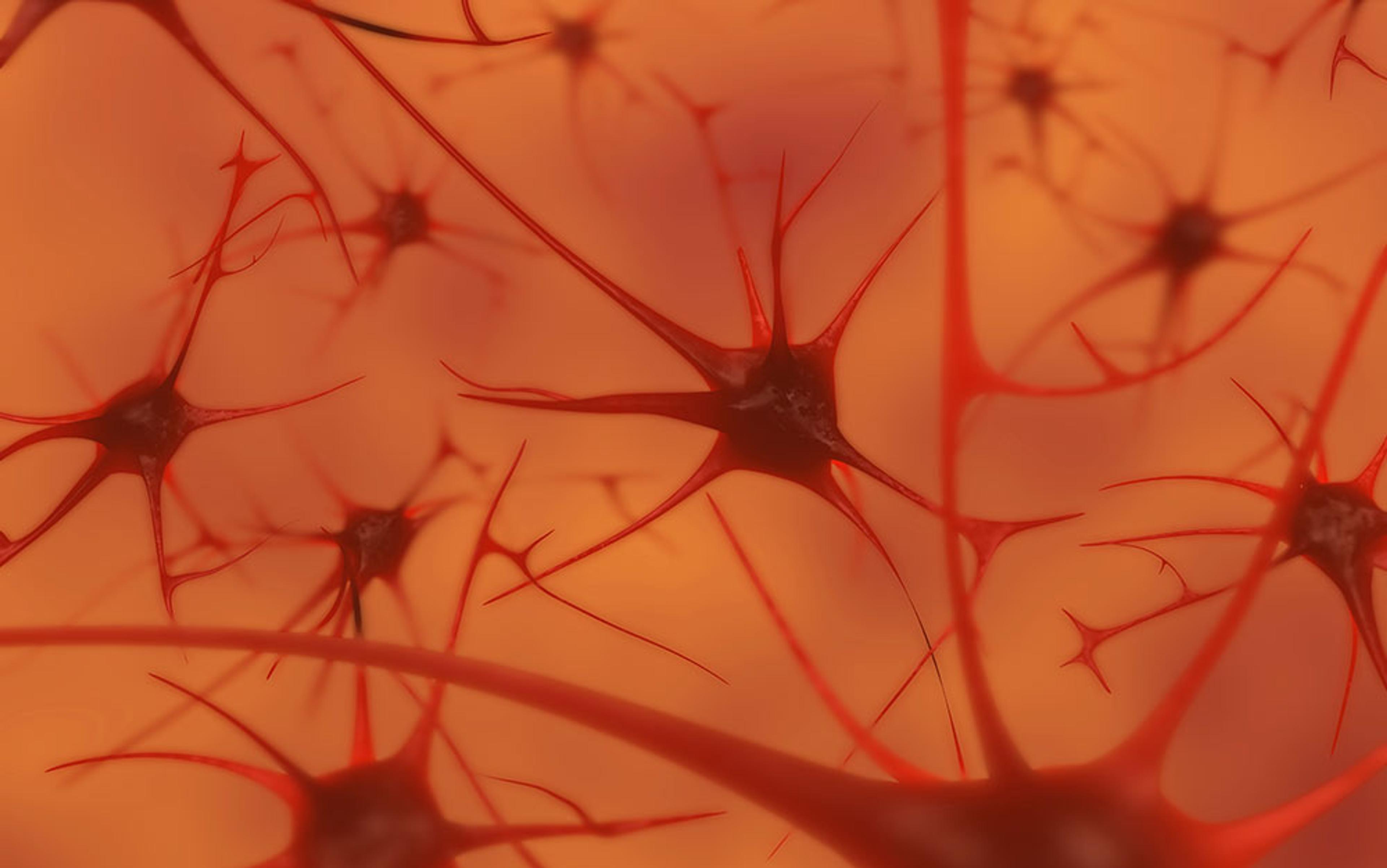
Unlike rewiring a machine, plasticity is not as simple as replacing parts. It’s a gradual process and is often inefficient. Synapses, which pass signals between neurons, strengthen or weaken. New dendritic branches – neurons’ treelike extensions – grow while others retract. Entire networks shift their activity over time, but only under the right conditions, and these changes accumulate to support new patterns of function while overall mechanisms become less efficient across the lifespan.
Plasticity is conditional, uneven and shaped by circumstance, not wishful thinking
Plasticity happens throughout life, but it’s shaped by many factors: age, environment, repetition, rest, nutrition and emotional state. For example: with months of targeted physical therapy, a stroke survivor can regain movement in a limb by recruiting healthier networks; with intensive, structured practice, a child with dyslexia can gradually develop new reading pathways; and reading braille requires extensive practice and is instrumental in changing relevant brain regions.
In cases of childhood trauma, certain survival pathways, such as hypervigilance or emotional detachment, may become dominant and reinforced over time. Later in life, therapy may promote the strengthening of alternative circuits related to trust, emotional regulation or self-awareness. But the old pathways aren’t necessarily erased. They remain in the background, potentially reactivated under stress. The idea that the brain is ‘rewired’ to function in a healthier way may offer hope, but it oversimplifies the reality. We build new trails, but the old ones don’t necessarily disappear.
Experience is a major force in shaping the nervous system. But, as the neuroscientists Bryan Kolb and Ian Whishaw argue in their widely cited review of brain plasticity, it always works in context. Over a lifetime, experience ‘alters the synaptic organisation of the brain’, but the brain’s response is also shaped by age, hormones, trophic factors (support proteins), stress, and illness or injury. And because the neocortex can ‘modify its function throughout one’s lifetime’, the same experience can leave different traces in different bodies, at different ages. Kolb and Whishaw capture the broader principle in a line worth keeping: ‘experience can modify brain structure long after brain development is complete’, and those physical changes are widely thought to be part of how memories are stored. In other words, plasticity is conditional, uneven and shaped by circumstance, not wishful thinking.
The same review paper makes a critical observation based on careful studies of rats recovering from injury: the evidence suggests that what looks like recovery at first glance is often the brain finding a workaround. In their words, ‘much of what appears … to be recovery is actually a compensatory substitution of new movements for lost movements.’ In plain terms, the brain is often building a detour, not restoring the same old route.
The fact that neurons can expand their reach means that, if some of them die, others may broaden their territory to make up for lost processing. In general, the more connections a neuron has, the more it can shape behaviour.
Beyond this, a feedback loop seems to be at work. There is evidence that the environment can change which genes are switched on in the adult brain. One likely route runs through neural activity shaped by experience. Novel experience causes neurons to fire in new patterns; and those neurons in turn can trigger gene programmes that support dendritic and synaptic growth – structural changes that can, over time, shift behaviour. Some of these genes are known to be associated with learning and memory; others are linked to age-related memory deficits. So enrichment can certainly support the brain.
Examples of neuroplasticity abound. During my neurology residency, one of my teachers, a highly specialised neuro-ophthalmologist, demonstrated the adaptability of the brain in a dramatic way. He recreated an informal experiment on himself by wearing glasses that flipped his visual field upside down. At first, he was disoriented. But within weeks, his brain recalibrated, and he was able to function normally in his environment. Even more remarkable was the re-adaptation that occurred when he removed the glasses; his world once again appeared inverted, and it took additional time for his perception to return to baseline. He later recreated another experiment by repeating the process with another set of glasses that reversed left and right, and he reported that this lateral inversion was far more difficult for the brain to compensate for than the vertical one. The experiment demonstrates how the brain adapts by recalibration rather than by restoring an original state, treating the altered input as normal over time.
The ability to alter speech is another testament to the plasticity of the brain. One fascinating distinction in neuroscience is that speech and singing use different neural pathways. For example, some well-known singers stutter when speaking but not when singing. Elvis Presley famously had a stutter that disappeared when he sang. Ed Sheeran also stuttered as a child and tried many techniques to overcome it. Nothing worked, until, at age nine, he began rapping along to an Eminem album. Through repetition, his fluency improved. Similarly, the country singer Mel Tillis spoke with a stutter but sang fluidly. In each case, fluency emerges not through repair but through recruitment of alternative circuits.
There’s also the curious case of singers who speak with strong accents but who lose them when they sing. Examples include Ozzy Osbourne, Adele, Ed Sheeran, ABBA and Freddie Mercury. Singing slows speech, elongates vowels and reduces accent markers. Many artists adopt American accents in songs due to the US roots of pop and rock music. The shift again reflects a change in network engagement rather than a permanent alteration of underlying language systems.
Across the lifespan, brains that are challenged tend to retain greater flexibility
This difference between speech and song forms the basis of a therapeutic approach known as melodic intonation therapy (MIT). It’s often used with patients suffering from non-fluent aphasia after a stroke, that is, those who can’t speak due to damage in the brain’s speech centres. In MIT, patients sing familiar childhood songs deeply encoded in emotional memory. Remarkably, they are often able to sing words and phrases they cannot otherwise speak. With repetition, speech improves. This is because singing activates preserved right-brain circuits, creating alternative pathways that gradually strengthen the brain’s overall language network. The gain comes through detour and reinforcement, not restoration of the damaged pathway.
Recent research suggests that addiction may, in part, be a wiring issue in the brain. One promising treatment is transcranial magnetic stimulation (TMS), a noninvasive therapy that uses powerful magnetic pulses discharged above the skull to activate specific brain regions. Depending on where the stimulation is applied, it can trigger muscle movement or, more significantly, influence behaviour.
Two leading theories for the potential of TMS have emerged. One proposes that addiction stems from insufficient or underactive brain wiring, like that which occurs in stroke patients, and that stimulation reactivates dormant circuits. The other – more consistent with what we see in rehabilitation – suggests that damaged or dysregulated circuits are bypassed by strengthening alternative pathways, effectively rerouting brain activity. This ‘detour’ mechanism has been observed in stroke rehabilitation and may apply to addiction as well. TMS has been used in patients addicted to cocaine, and early evidence suggests that several weeks of treatment may be effective in reducing cravings and use.
While neuroplasticity resists shortcuts, it does respond to sustained engagement. Across the lifespan, brains that are challenged – cognitively, socially, physically – tend to retain greater flexibility than those that are not. This is not because any single activity ‘rewires’ a specific circuit, but because varied, effortful experiences repeatedly recruit overlapping networks: attention, memory, movement, emotion. Learning a new language, for example, activates distributed regions across both hemispheres, linking auditory perception, working memory, and executive control. Playing a musical instrument does something similar, coupling fine motor coordination with timing, prediction, and emotional recall. Over time, these demands encourage structural and functional changes that support what neuroscientists call cognitive reserve: the brain’s ability to compensate when injury or degeneration occurs.
The same principle applies beyond formal learning. Singing engages breath, rhythm, language and affect in ways that ordinary speech does not, which is why it can support recovery in some stroke and Parkinson’s patients. Physical activity – especially aerobic exercise – improves cerebral blood flow and is associated with changes in the volume of the hippocampus, a region critical for turning short-term memory into long-term memory. It’s also one of the few brain regions where new neurons are generated in adulthood. Social interaction recruits emotional and linguistic circuits simultaneously, offering a kind of neural cross-training that solitary exercises cannot. Even seemingly modest skills, such as learning to juggle, have been shown to induce measurable changes in grey matter after weeks of practice. None of these activities function as targeted neural ‘fixes’. Their value lies instead in repetition, novelty and sustained effort – the slow conditions under which plasticity operates. They do not override biology but work with it, nudging the brain toward adaptation rather than transformation.
Given what we know about brain plasticity, the overarching claims of brain rewiring often misrepresent both the pace and the nature of neural change. In his guide Rewire Your Brain: Think Your Way to a Better Life (2010), the psychologist John B Arden declares that our brains are not ‘hardwired’ but rather ‘soft-wired’ by experience, and promises strategies to help readers ‘rewire’ their brains so that they can ‘feel calm and positive’ and ‘enhance’ their relationships. The neurologist Philippe Douyon’s book Neuroplasticity: Your Brain’s Superpower: Change Your Brain and Change Your Life (2019) explores how ‘we can give our brains exactly what they need to adapt, heal, and thrive’. The language varies, but the promise is consistent: targeted practices can reliably produce targeted psychological outcomes.
Then there are the brain-rewiring apps. An apt example is Quit Addiction – Rewire Brain, which is geared toward breaking addictions like smoking, vaping or alcohol by combining habit-tracking, motivation tools and progress-monitoring in order to ‘rewire your brain for lasting change’. Across platforms, the metaphor suggests speed, precision and personal control – qualities that biology itself rarely affords.
And TED Talks can overstate the case. As the neuroscientist Michael Merzenich explained in his presentation in 2004, the brain’s circuitry is not fixed: the adult brain, in fact, retains a ‘lifelong capacity for plasticity’ which ‘is powerfully expressed’. He later described what takes place within the brain:
There are 15 or 20 cortical areas that are changed specifically when you learn a simple skill … It represents the change, in a reliable way, of the responses of tens of millions, possibly hundreds of millions, of neurons in your brain. It represents changes in hundreds of millions, possibly billions, of synaptic connections in your brain.
The science is sound, but its popular reception often strips away the conditions – time, repetition, constraint – under which such change occurs.
To be ‘rewired’ suggests an all-or-nothing overhaul rather than nuanced progression
Merzenich traced this discovery from critical periods in early childhood (when language and vision are calibrated) to adult therapies that retrain neural maps for speech and reading disorders. The key message was simple and striking: plasticity never switches off; it can be accomplished well into adulthood.
More than a decade later, the neuroscientist Don Vaughn took the stage at TEDxUCLA with a more applied vision. In ‘Neurohacking: Rewiring Your Brain’ (2015), he showcased how emerging tools allow people to consciously shape that plasticity. He described patients receiving non-invasive brain stimulation for depression, parents using apps that translate baby cries into visual signals, and volunteers who learned to self-modulate their brain rhythms through neurofeedback. ‘If we can rewire your brain using devices, would it at all be possible to help your brain rewire itself with just your own thoughts?’ The question captures the cultural leap – from biological possibility to personal mastery.
Taken together, Merzenich’s foundational science and Vaughn’s demonstrations underscore why the phrase ‘rewiring the brain’ has become so potent in popular culture: it gestures not only to the metaphorical promise of self-improvement but also to a concrete, testable biology – the brain’s architecture is malleable and, under the right conditions, it can be reshaped. Yet embedded in these slogans are sweeping assumptions about how the brain works, assumptions that are often oversimplified or outright incorrect. One is the idea of rapid transformation: when an app promises that a week of short audio lessons can ‘rewire’ the brain, it compresses the slow, cumulative processes of learning and adaptation into a quick-fix model. Another is that change is total; to be ‘rewired’ suggests an all-or-nothing overhaul rather than nuanced progression, as if old circuitry can be removed and replaced wholesale. A third is precision targeting, where the discourse tacitly promises that specific practices – such as gratitude exercises or productivity hacks – strike exactly the right neural pathways to produce specific psychological outcomes. All three assumptions resonate with our technological imagination; none align with the messy realities of neuroplasticity.
In short, the metaphor is powerful but problematic. It suggests that, no matter where someone begins their process, whether recovering from a head trauma or battling cognitive decline, the brain can snap back to normal. There’s a certain poetry to that idea. A reassurance that we are not static beings and that transformation is possible at any age.
There are contexts where this has value. It can help patients understand that their brains are not static or irreparably broken. It frames recovery as active rather than passive, encouraging participation in therapies that promote healing. Educators have also embraced the metaphor when teaching students. The idea that you can rewire your brain reinforces the possibility of learning and change. In clinical settings, it can reduce shame and fatalism.
However, for stroke survivors, the promise of rewiring can be both inspiring and unrealistic. Some regain remarkable function; others plateau despite intense therapy. In Alzheimer’s, the degenerative nature of the disease limits the brain’s plasticity. In such contexts, rewiring may imply a level of control or optimism that the brain itself does not always permit. Hope matters. But so does honesty.
Metaphors can motivate, but they can also mislead. The notion that someone can rewire their brain through sheer willpower, self-help books or 10 minutes of daily meditation risks turning serious neurological change into a gimmick. While cognitive behavioural therapy (CBT) and physical rehabilitation have strong evidence supporting their effects on brain function, these changes occur over time and have biological constraints.
The brain is not a circuit board. Changing it is not as simple as swapping a wire or updating software. ‘Rewiring’ implies speed and precision, a single tweak that creates a desired result; it implies that changes in the brain are mechanical and always possible, none of which is guaranteed. The reality of neuroplasticity is far messier: it’s a biological process that is incremental and frustratingly slow. And while science does support the idea that the brain can change, it also reminds us that change comes at a cost. It requires time and effort, and sometimes it ends in failure.
The metaphor turns healing into a moral achievement, and failure into a personal flaw
Here’s where the metaphor of rewiring starts to do damage. It suggests that brain changes are mechanical and under direct conscious control. But in practice, brain changes are nonlinear. Most often they are unconscious and deeply tied to emotion and new behaviour.
One common myth is that a single realisation or decision can ‘rewire’ you. In truth, even profound insights rarely result in lasting neural change unless reinforced by repetition and behaviour. Another is that you can eliminate trauma responses by replacing them. But trauma alters deep, limbic structures that don’t ‘recode’ easily. They adapt, yes, but only slowly and not always completely.
There’s also the misconception that anyone can change anything if they just try hard enough. But not all brains have the same capacity or conditions for change. There’s a dark side to the optimism around brain change. When the metaphor of rewiring is oversold, it can create false expectations. It oversimplifies. And in doing so, it runs the risk of making people feel broken when their transformation isn’t instant or complete.
If rewiring is easy, then why haven’t you fixed your depression? If brain change is automatic with the right programme, then why are you still struggling?
This thinking can be cruel. It ignores several factors – from the social to the environmental to the genetic – that shape and constrain neuroplasticity, many of which are only partially understood. It turns healing into a moral achievement, and failure into a personal flaw. Some therapy models and self-help programmes lean into this pressure, implying that full transformation is just a matter of effort. But science tells a different story: change is possible, yes. But it’s constrained by biology and shaped by context.
I’ve seen patients blame themselves when neuroplasticity didn’t yield a cure. People grasp at therapies that promise to rewire away disease. The language of neuroscience is being used to justify everything from educational policy to digital detox programmes with little regard for the underlying data.
None of this is to say that neuroplasticity doesn’t exist. It does. Stroke recovery, phantom limb sensation, chronic pain syndromes and even language acquisition in adults all bear its fingerprints. What’s needed is precision. Scientists must be careful with their words. Clinicians must draw clearer boundaries between science and metaphor. And the public must be equipped to discern between poetic licence and peer-reviewed truth.
What we really need is a more honest, but still hopeful, view of brain change.
If not ‘rewiring’, then what? Perhaps the better metaphor is not a machine being repaired but a landscape being reshaped. Neuroplasticity resembles erosion and regrowth: some paths deepen, others fade, and change unfolds unevenly over time.
Neuroplasticity is a remarkable capacity. It offers real hope for recovery, adaptation and growth. But it requires patience, structure, repetition and support. It is not a quick fix. It is a lifelong process that demands sustained engagement.
To honour the brain’s ability to change, we need to respect how it actually works. That means moving beyond buzzwords and shortcuts, and toward a language that reflects both the promise and the limits of biology. The brain’s capacity for change is one of the most hopeful discoveries in modern science – but that change comes not through clever metaphors or overnight programmes. It comes through effort, repetition and time. By tempering our metaphors with reality, we can help people pursue transformation with both hope and humility. Language matters. ‘Rewiring the brain’ began as a hopeful metaphor. Let’s not let it become a misleading one.