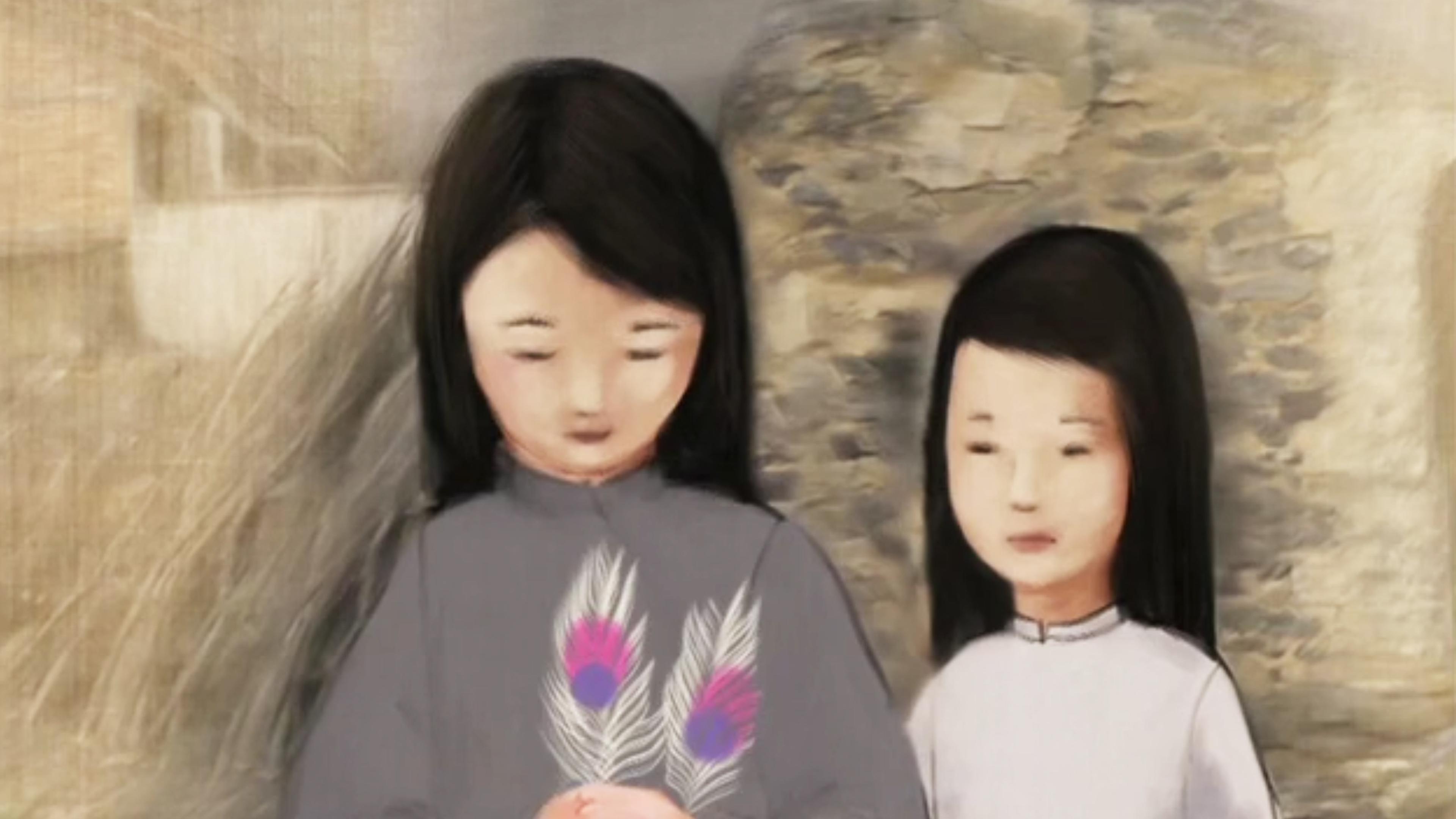
Visually striking and intricately crafted, the traditional armour and weaponry of the Kiribati islands in the Pacific Ocean were built from coconut fibre, human hair, sharks’ teeth and porcupine fish. Yet, fearsome and lethal as these objects were, the people of this remote archipelago weren’t especially warlike, as British colonists had long assumed, but were instead part of a ritualised style of combat intended to keep violence between clashing groups to a minimum. In this video, Julie Adams, the head curator of the Oceania section at the British Museum, and Kaetaeta Watson, a master I-Kiribati weaver based in New Zealand, discuss both the making and the meaning of these objects. This includes how, after these traditional crafts all but disappeared from Kiribati after the arrival of Christian missionaries in the late 19th century, advocates including Watson are working to preserve them.
How islanders of Oceania built fearsome armour without metal
Video by the British Museum
12 January 2026
videoArchaeology
Frozen for millennia, an ancient Greek soldier is freed to charge into battle once again
8 minutes
videoMaking
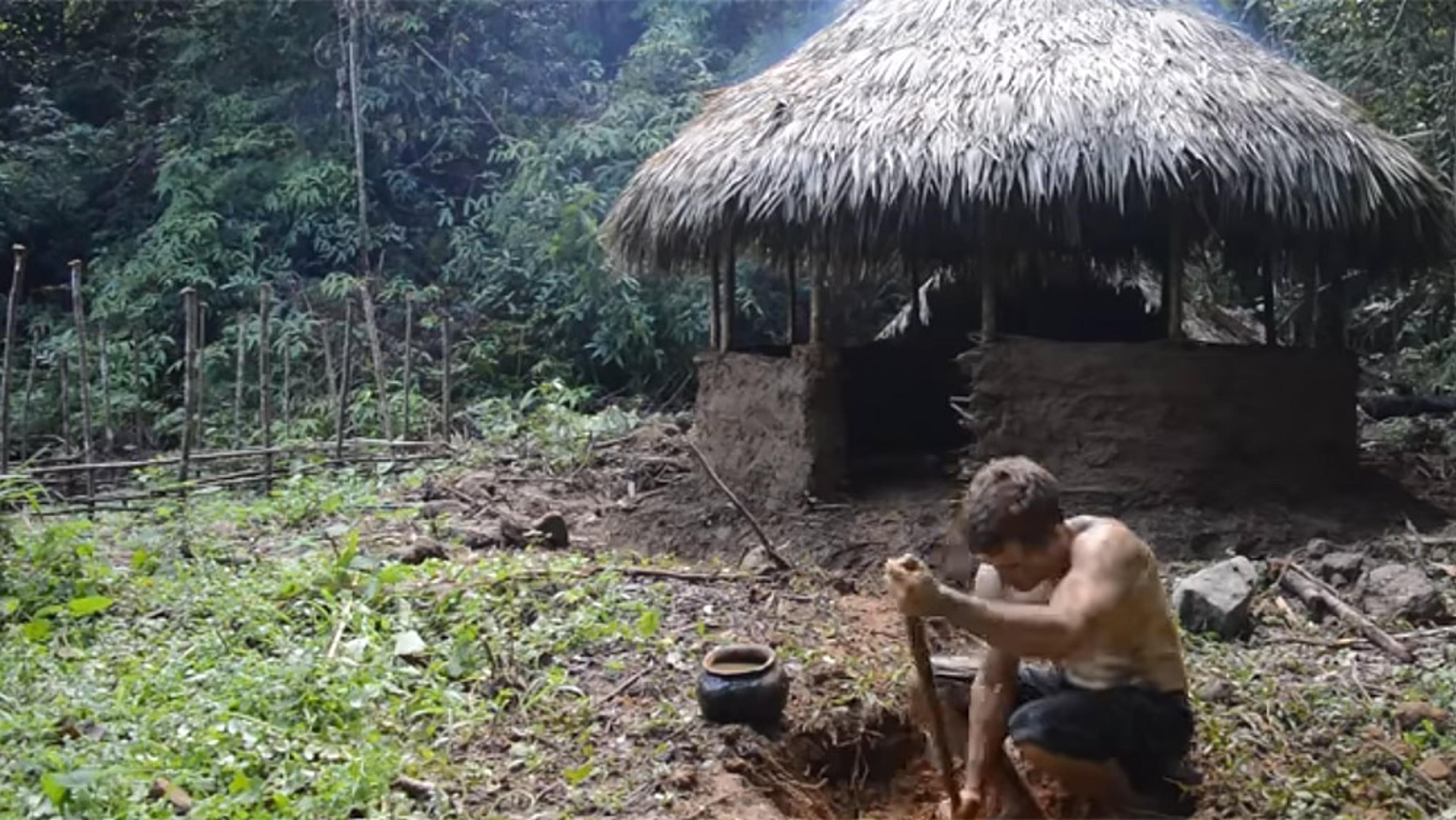
Learn to build your own rainproof hut – or, at least, marvel at the man who knows how
11 minutes
videoWar and peace
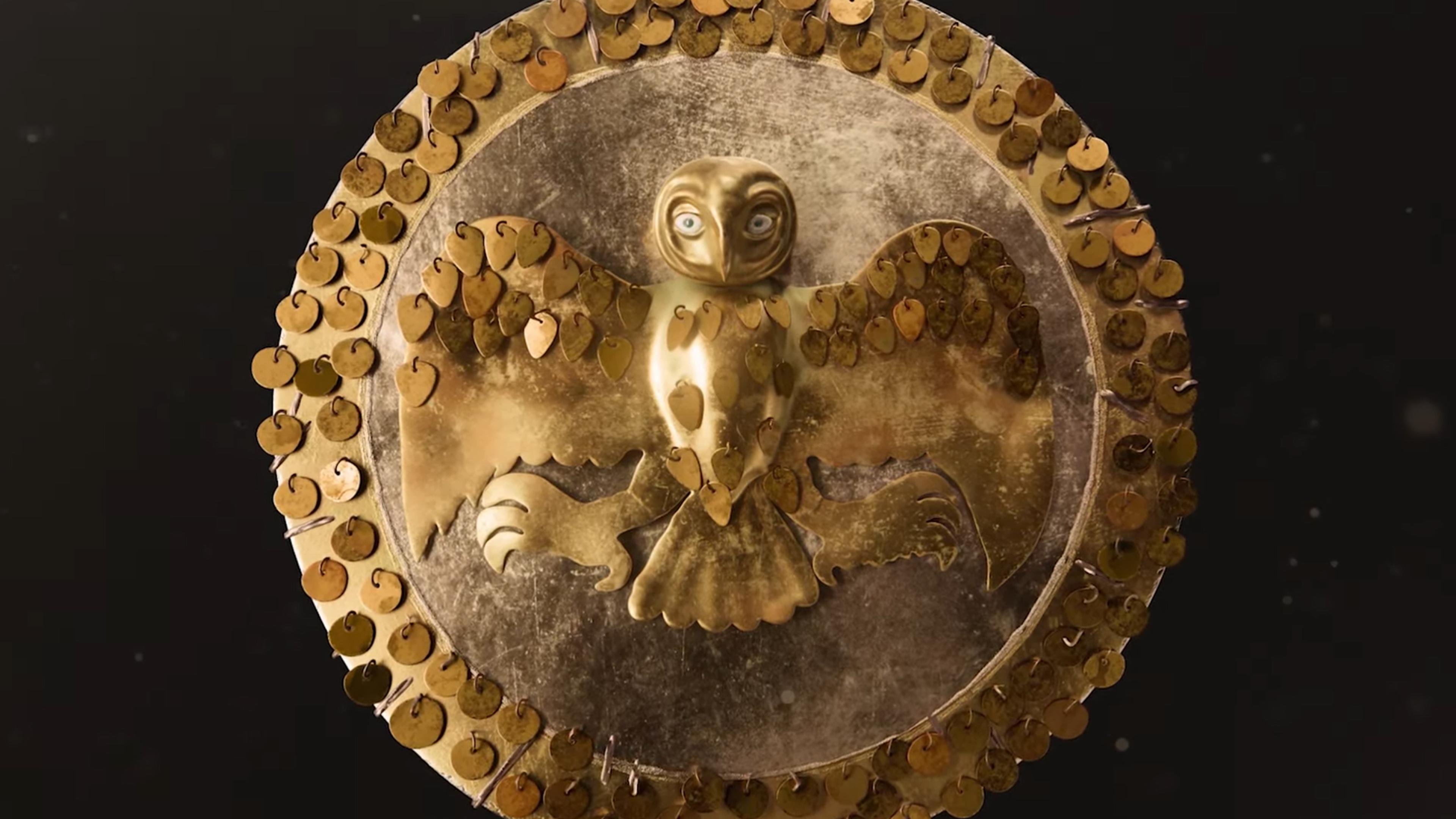
The extraordinary craft and fascinating symbolism of a pre-Incan ceremonial shield
3 minutes
videoEcology and environmental sciences
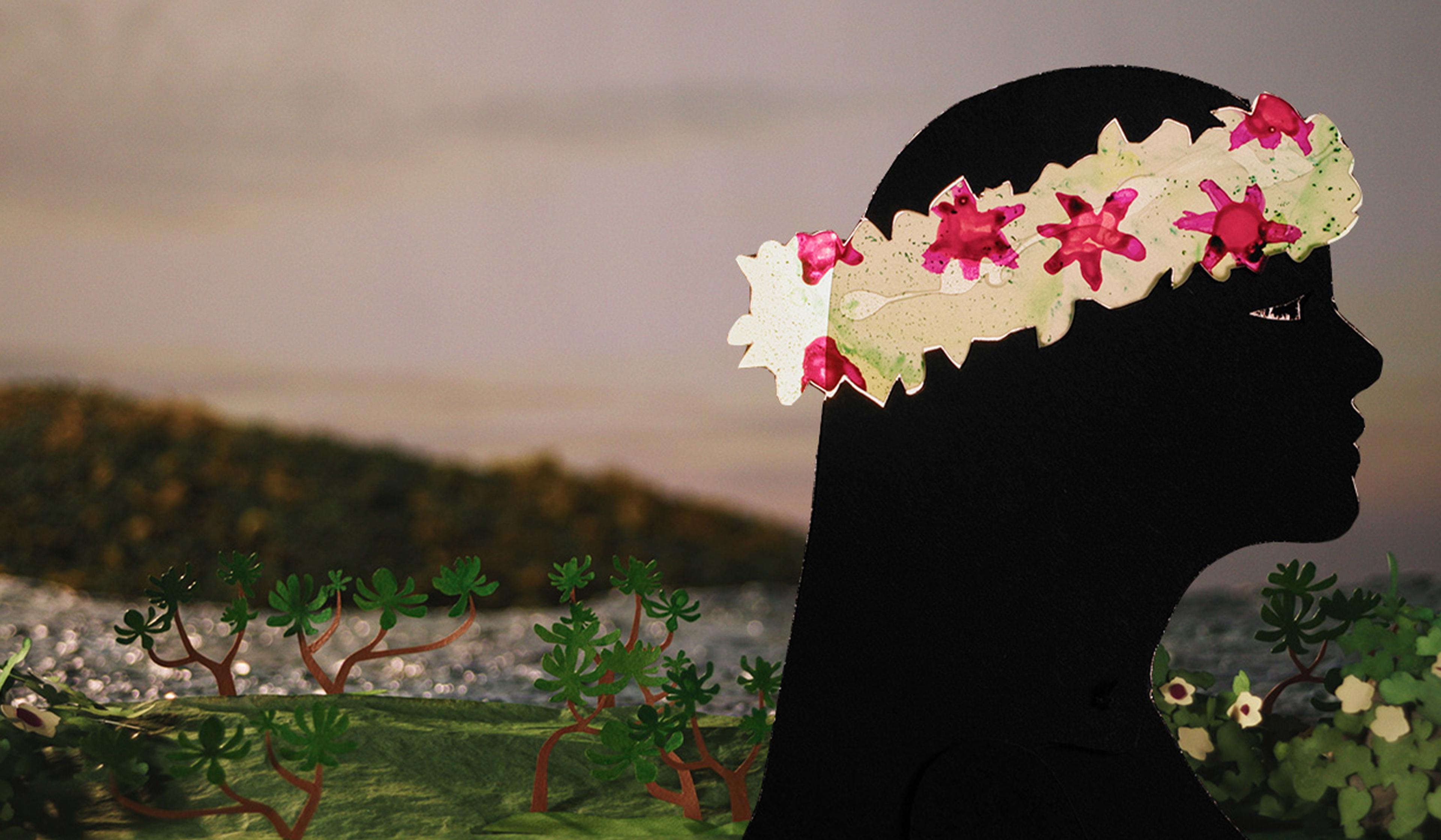
The ancient Hawaiian myth that sparked a modern ecological breakthrough
10 minutes
videoHuman rights and justice
Why is this Kenyan artefact in storage at a German museum?
30 minutes
videoArchaeology
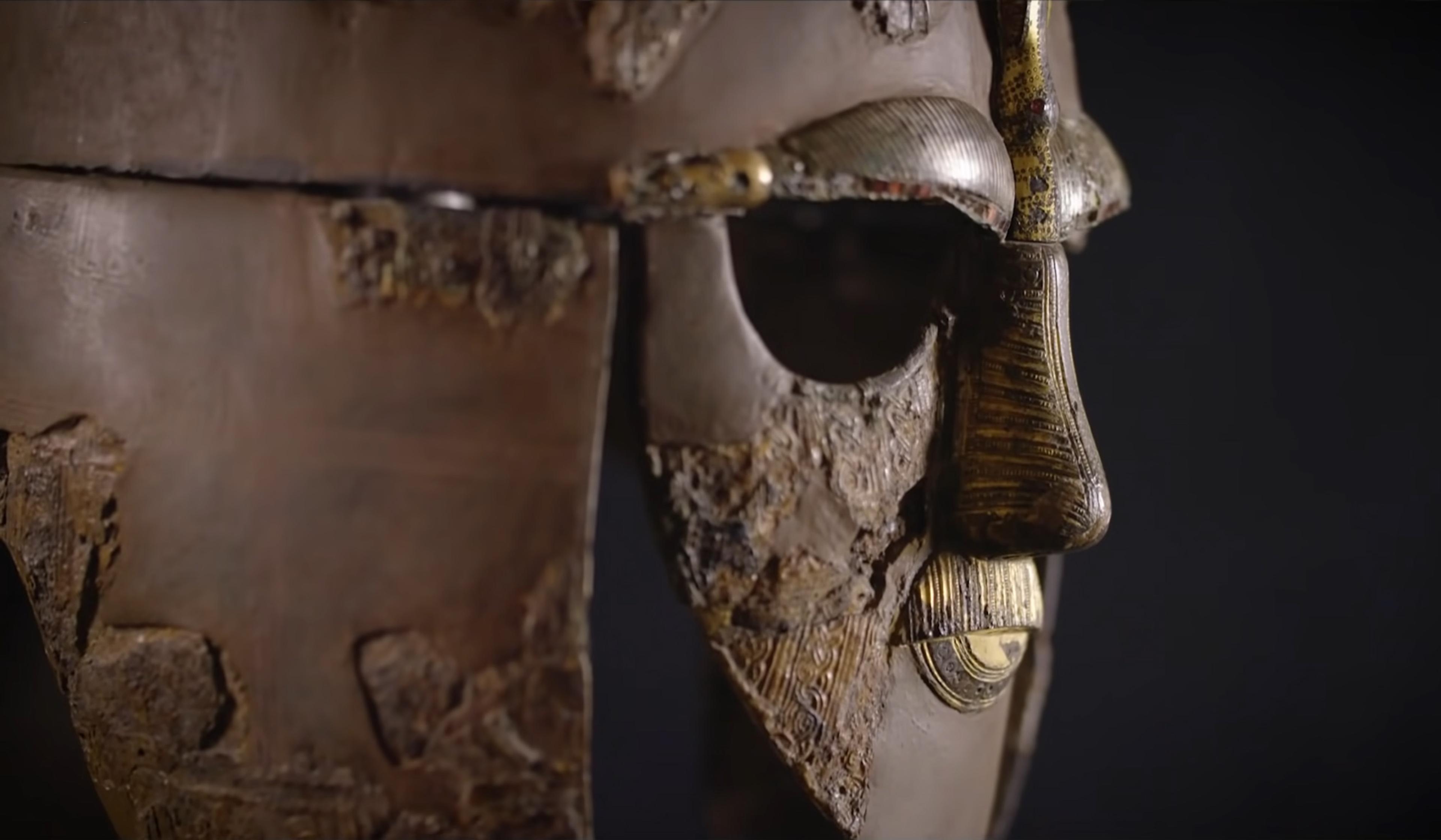
The meanings and mysteries of the iconic Sutton Hoo helmet brought vividly to life
19 minutes