Gian Lorenzo Bernini (1598-1680) was a prodigy and polymath whose reputation has never quite escaped from the shadow of his hero, Michelangelo. Nevertheless, he was a genius whose emotive works of art and architecture still shape Rome today. In this video essay from the YouTube series Great Art Explained, the UK curator, gallerist and video essayist James Payne uses Bernini’s sculpture Apollo and Daphne (1622-25) as a centrepiece for exploring his art in the context of 17th-century Rome, when the classical restraint of the Renaissance gave way to the more expressive dynamism of the Baroque era. Diving into Bernini’s life and oeuvre, Payne details how the interplay of religious expression and papal power-politics shaped his storied career, culminating in perhaps his most famous achievement: the design of St Peter’s Square in Vatican City.
The overlooked polymath whose theatrical oeuvre made all of Rome a stage
Video by Great Art Explained
videoHistory of ideas
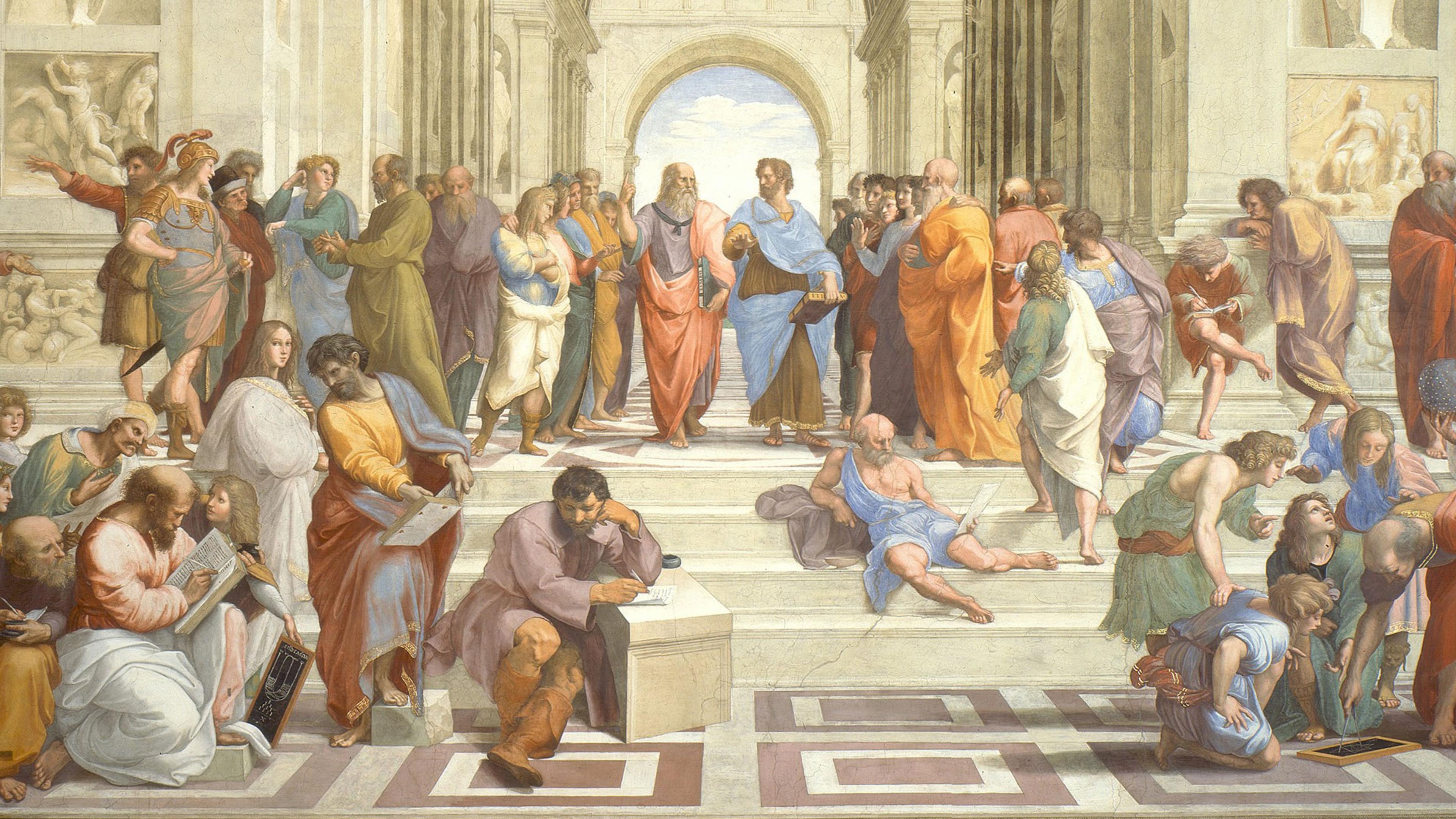
How to read ‘The School of Athens’ – a triumph of Renaissance art
25 minutes
videoLife stages
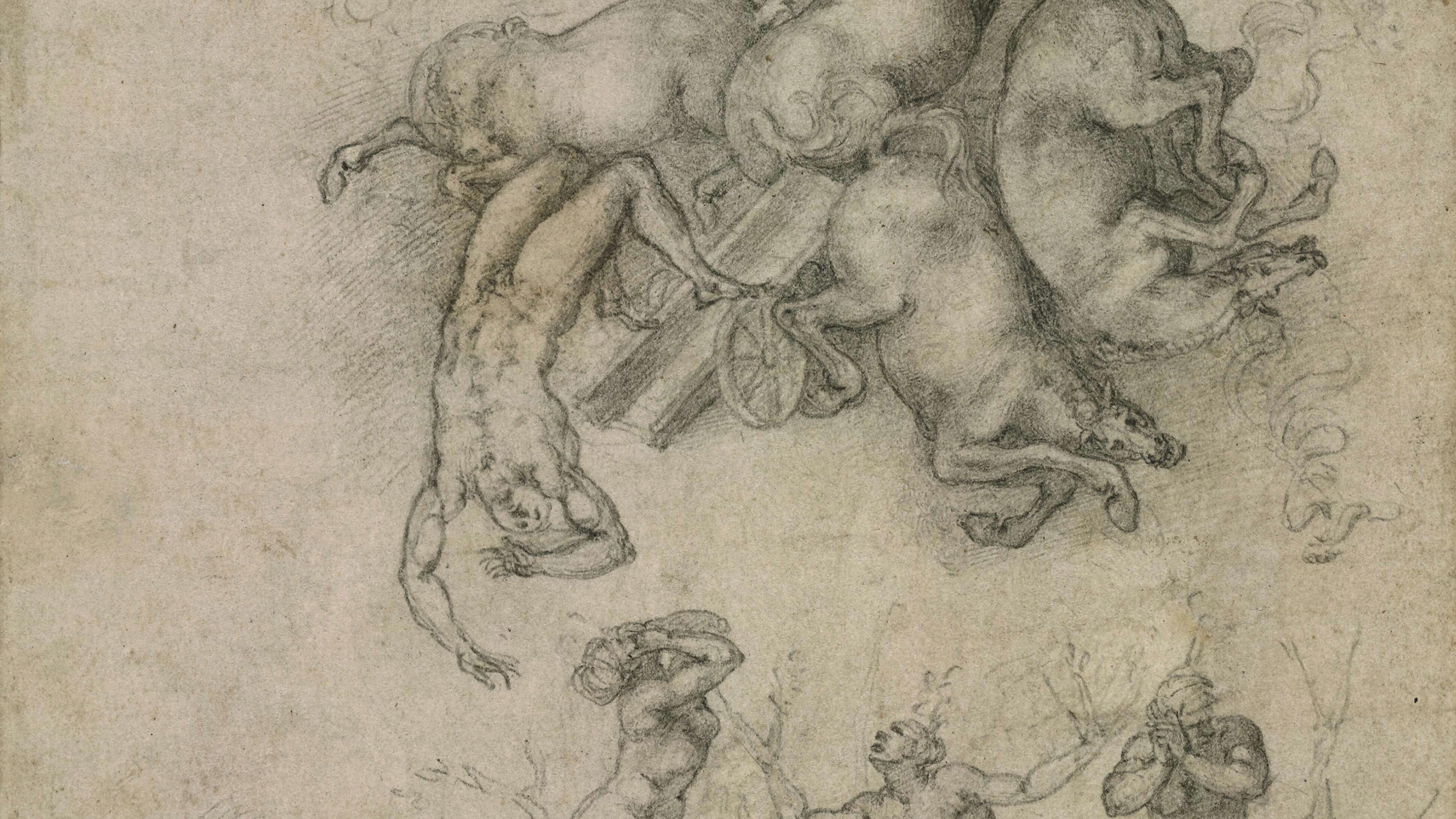
What Michelangelo’s late-in-life works reveal about his genius – and his humanness
13 minutes
videoArt
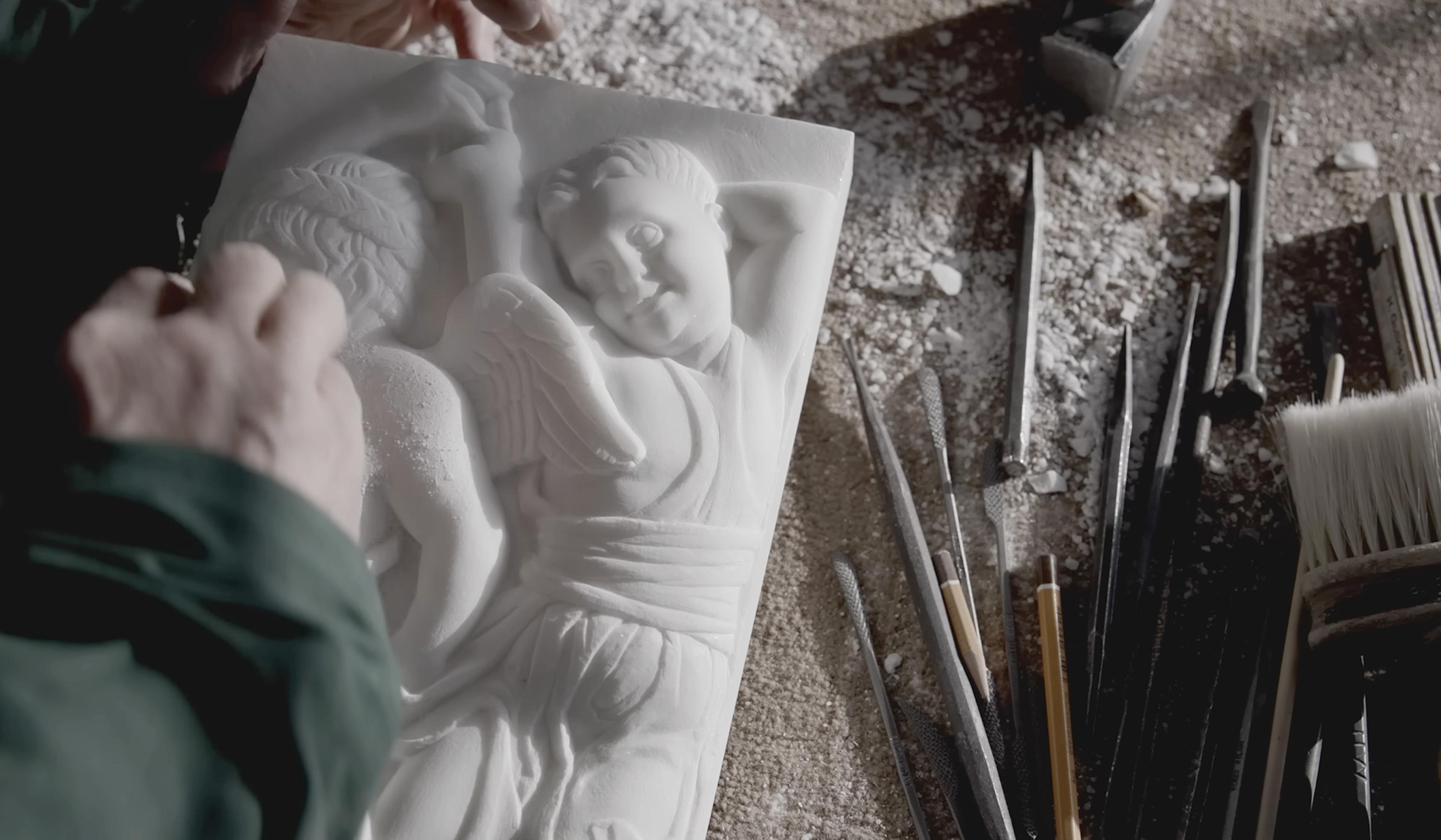
From a pencil sketch to cherubs dancing in stone – recreating a Donatello work
7 minutes
videoArt
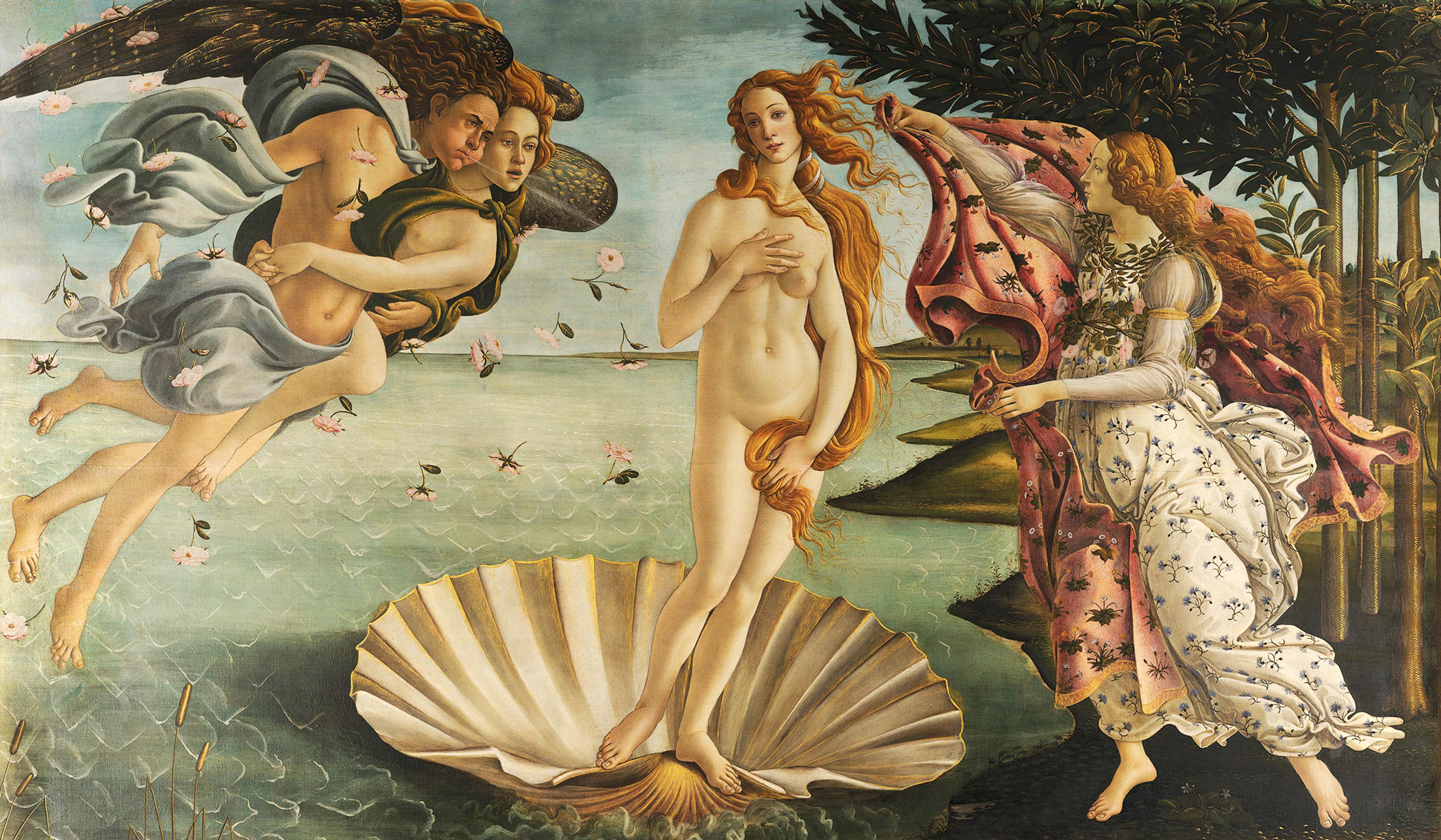
More than breathtaking, ‘The Birth of Venus’ signalled an aesthetic revolution
19 minutes
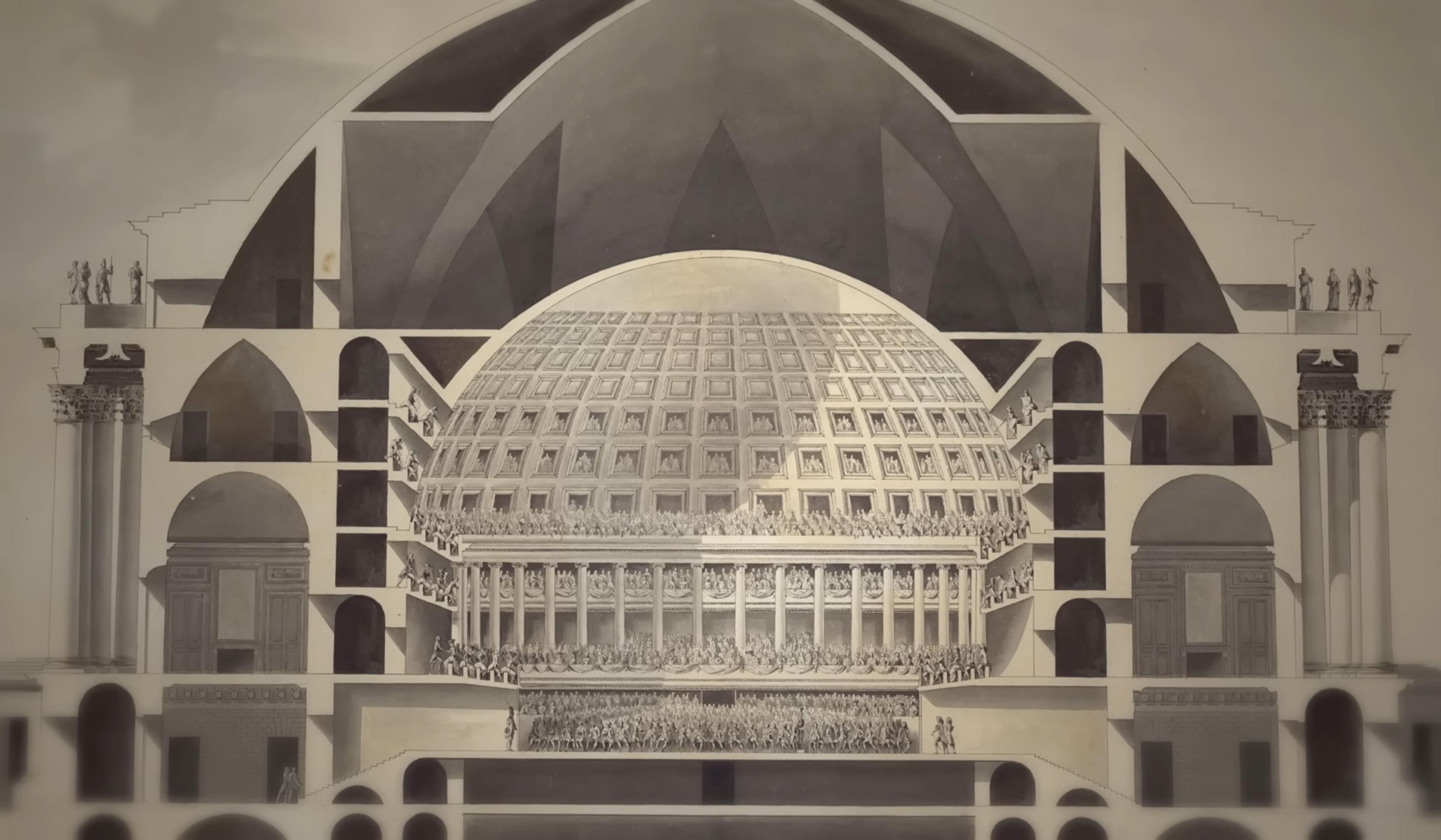
videoArchitecture
The radically impractical 18th-century architect whose ideas on beauty endure
19 minutes
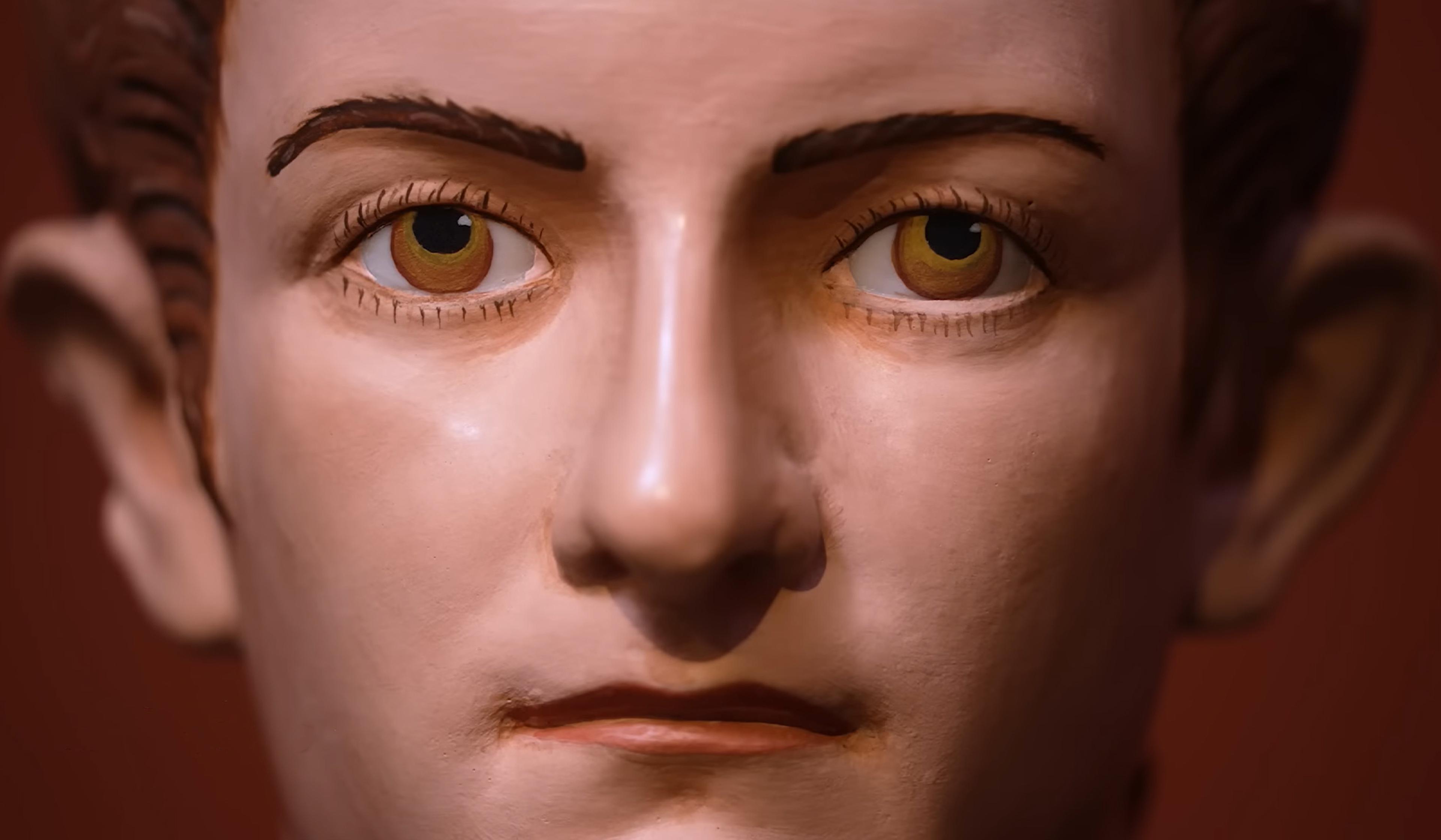
videoArchaeology
Ancient Greek sculptures were colourful. Why does the white marble ideal persist?
6 minutes

videoThe ancient world
A balanced account of Nero’s life reveals the ‘editing and destruction’ of history-making
27 minutes
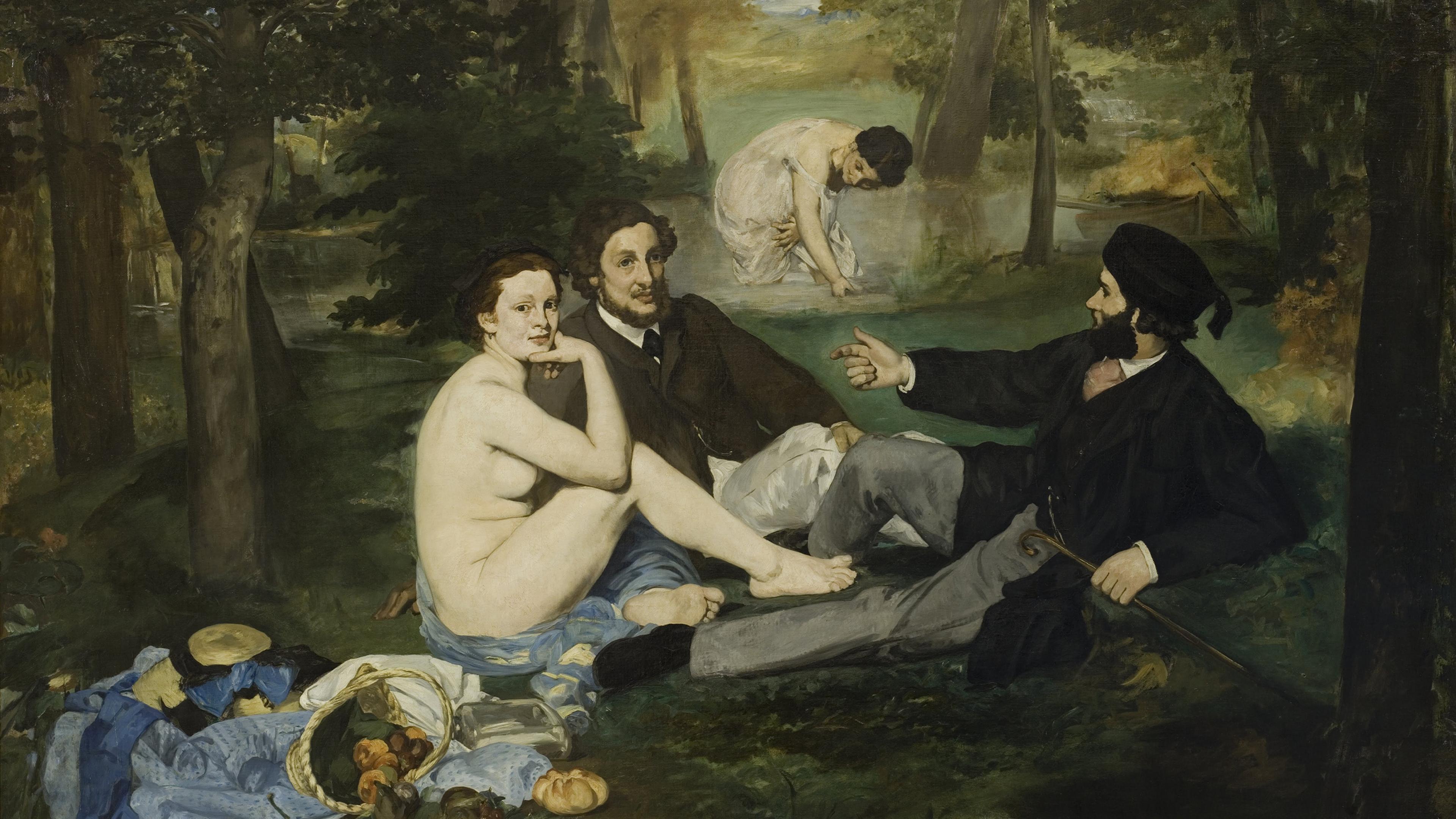
videoArt
Creating art that was aware of itself – and the viewer – made Manet the first modernist
15 minutes
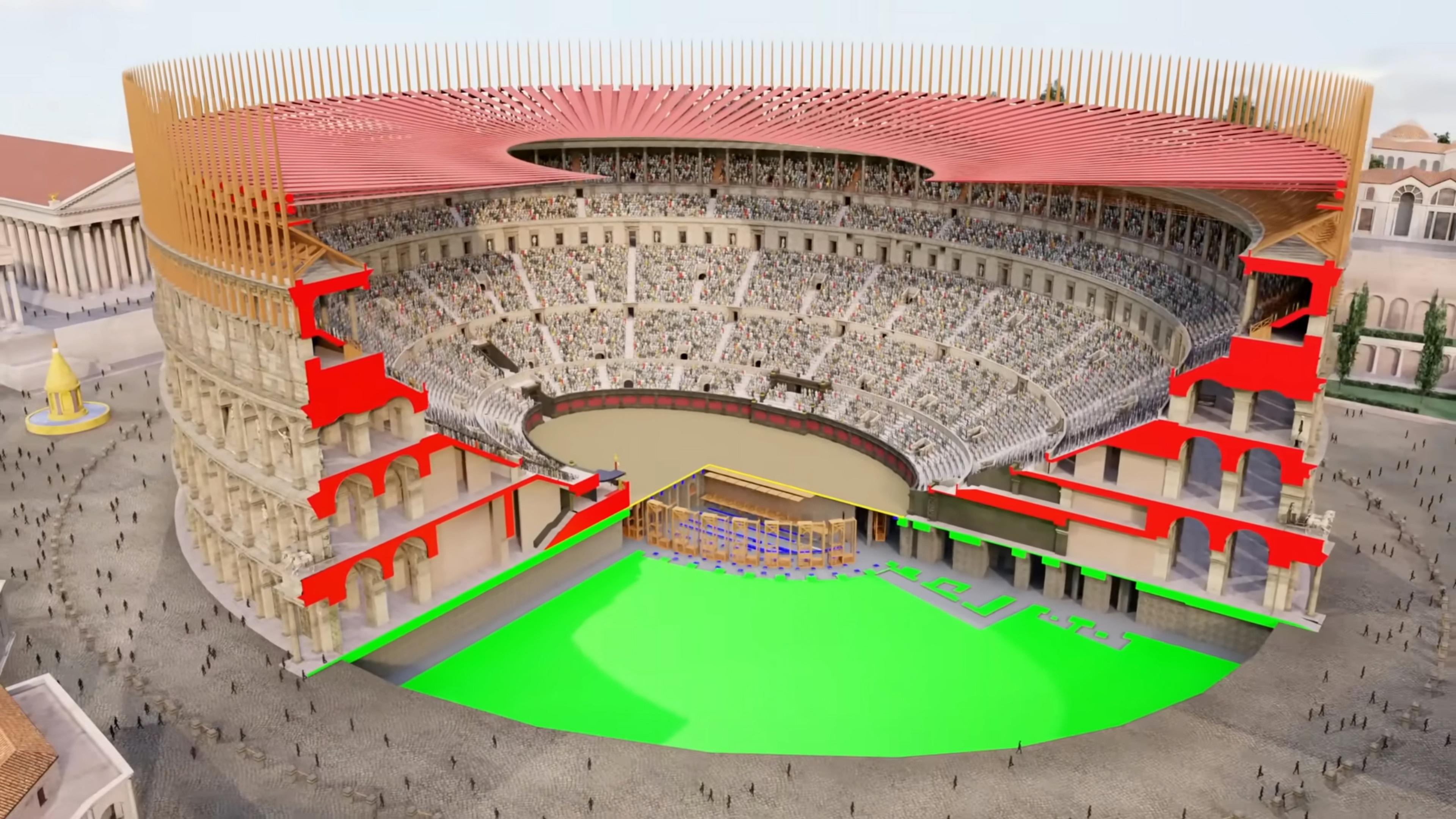
videoArchitecture
A 3D rendering of the Colosseum captures its architectural genius and symbolic power
17 minutes