In 1994, a Clinton administration initiative forced migrants to take deadlier routes through the Sonoran Desert to cross from Mexico into Arizona. Starting in 2016, the Trump administration pursued even more intense policing measures at the border, resulting in the arrests of volunteers who provided food, water and shelter to migrants. The short documentary USA v Scott chronicles how, in 2018, a geography professor and volunteer humanitarian aid worker named Scott Warren was arrested under a law that had previously been used to target smugglers, and faced the potential of a 20-year prison sentence. Following Scott as he continues to help migrants while preparing for his trial, the film ponders the boundaries between country and country, and law and morality.
Can providing humanitarian aid be illegal? A troubling case from the US-Mexico border
Directors: Ora DeKornfeld, Isabel Castro
Producers: Marie-Hélène Carleton, Micah Garen
videoDemography and migration
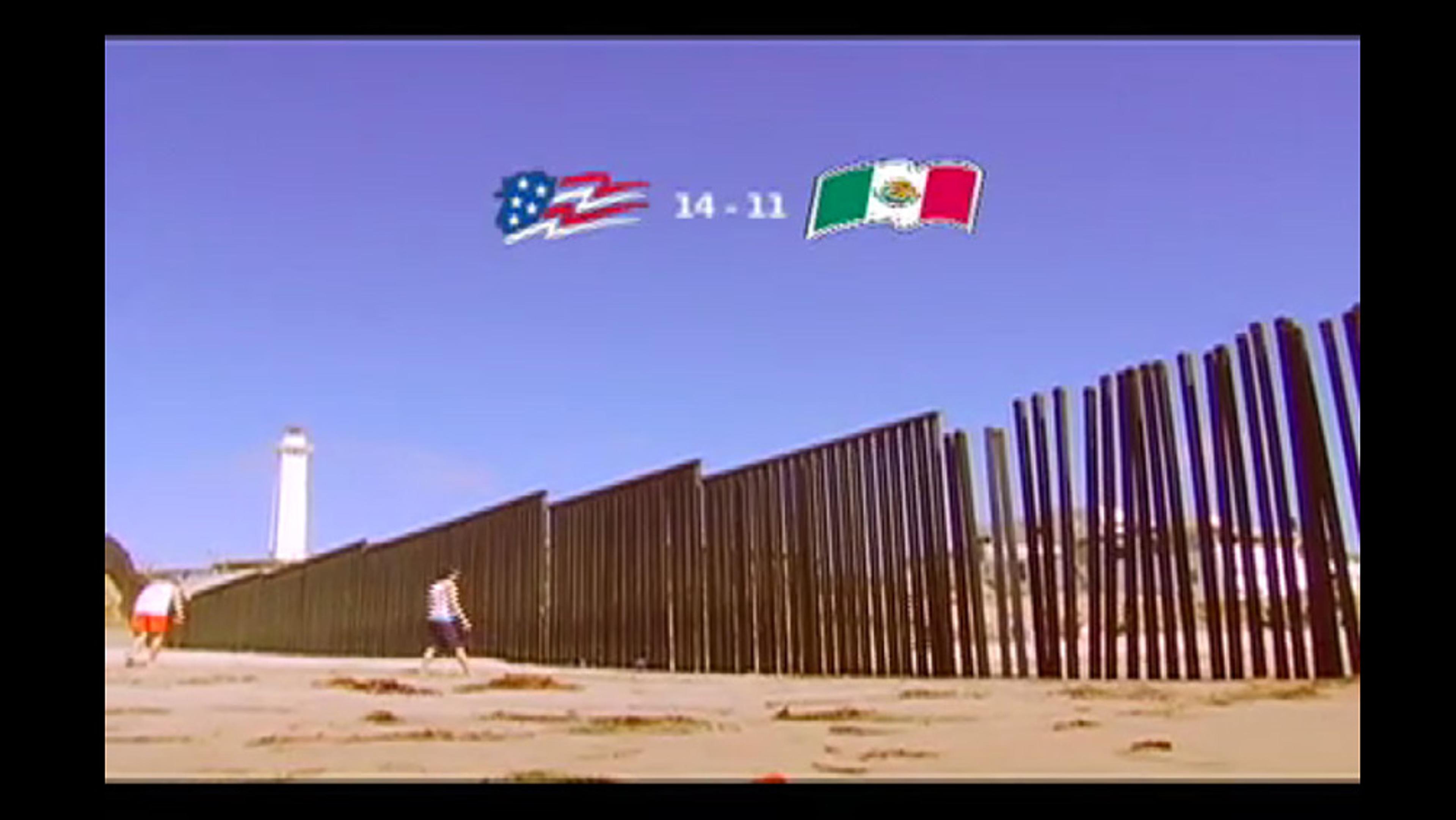
The world’s most illegal game of volleyball was played over the US-Mexico border
3 minutes

videoDemography and migration
The volunteers who offer a last line of care for migrants at a contentious border
30 minutes

videoDemography and migration
On the US-Mexico border, loved ones on both sides can see each other but cannot touch
12 minutes
videoDemography and migration
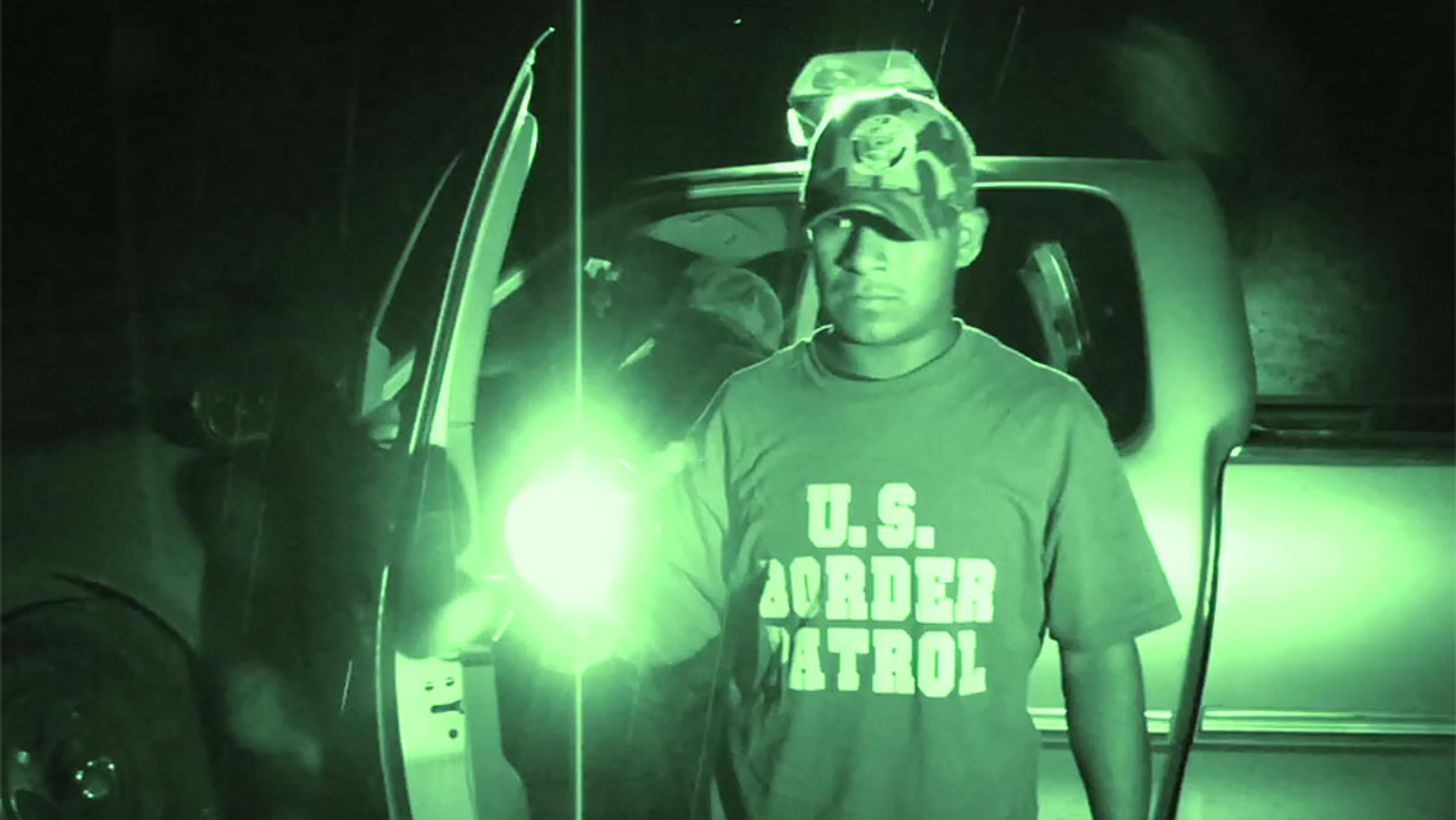
Far from the US border, a Mexican town acts out nightly illegal border-crossings
15 minutes
videoDemography and migration
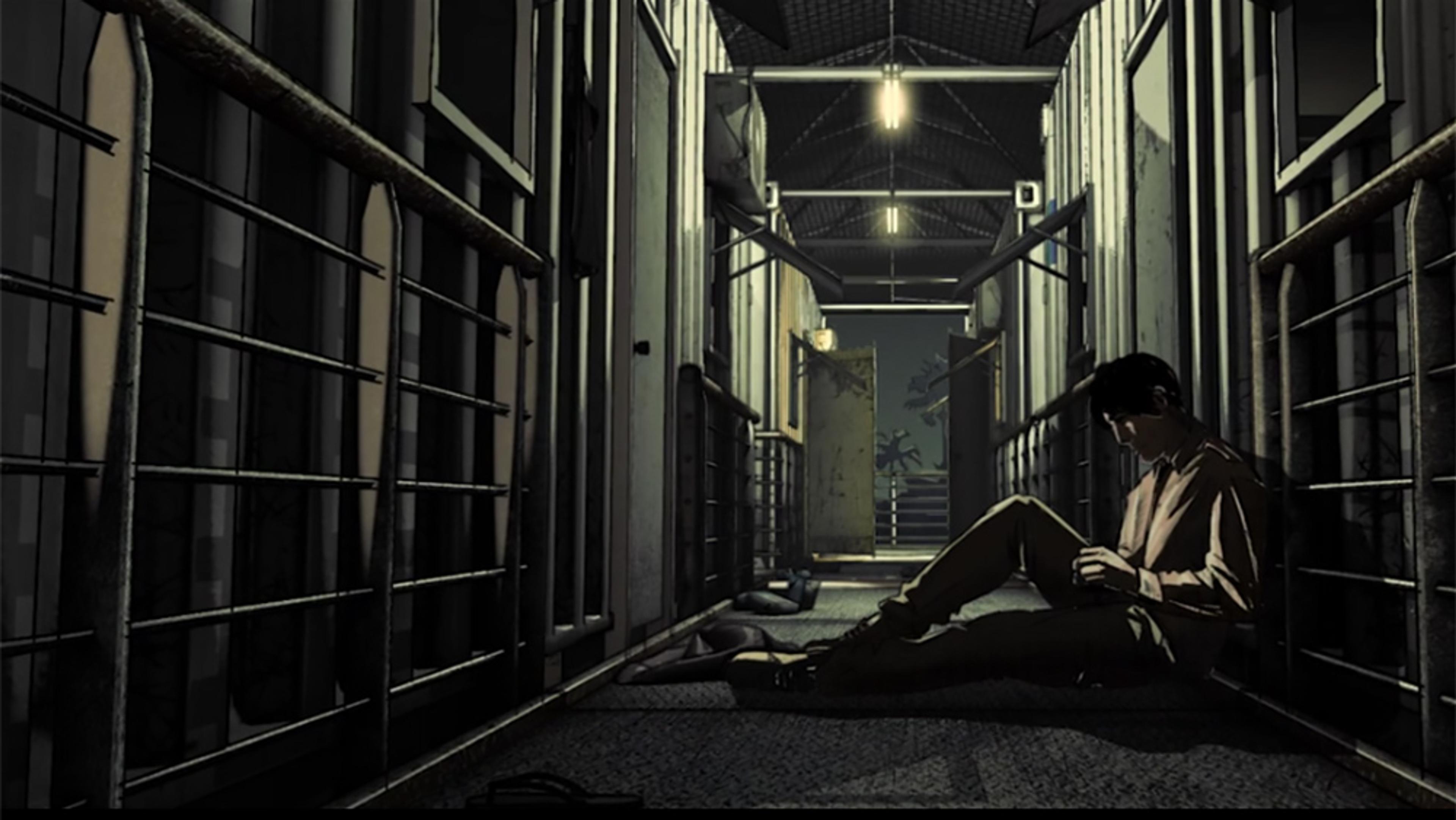
Refugees flee to Australia only to be detained in squalid and abusive conditions
15 minutes
videoHuman rights and justice
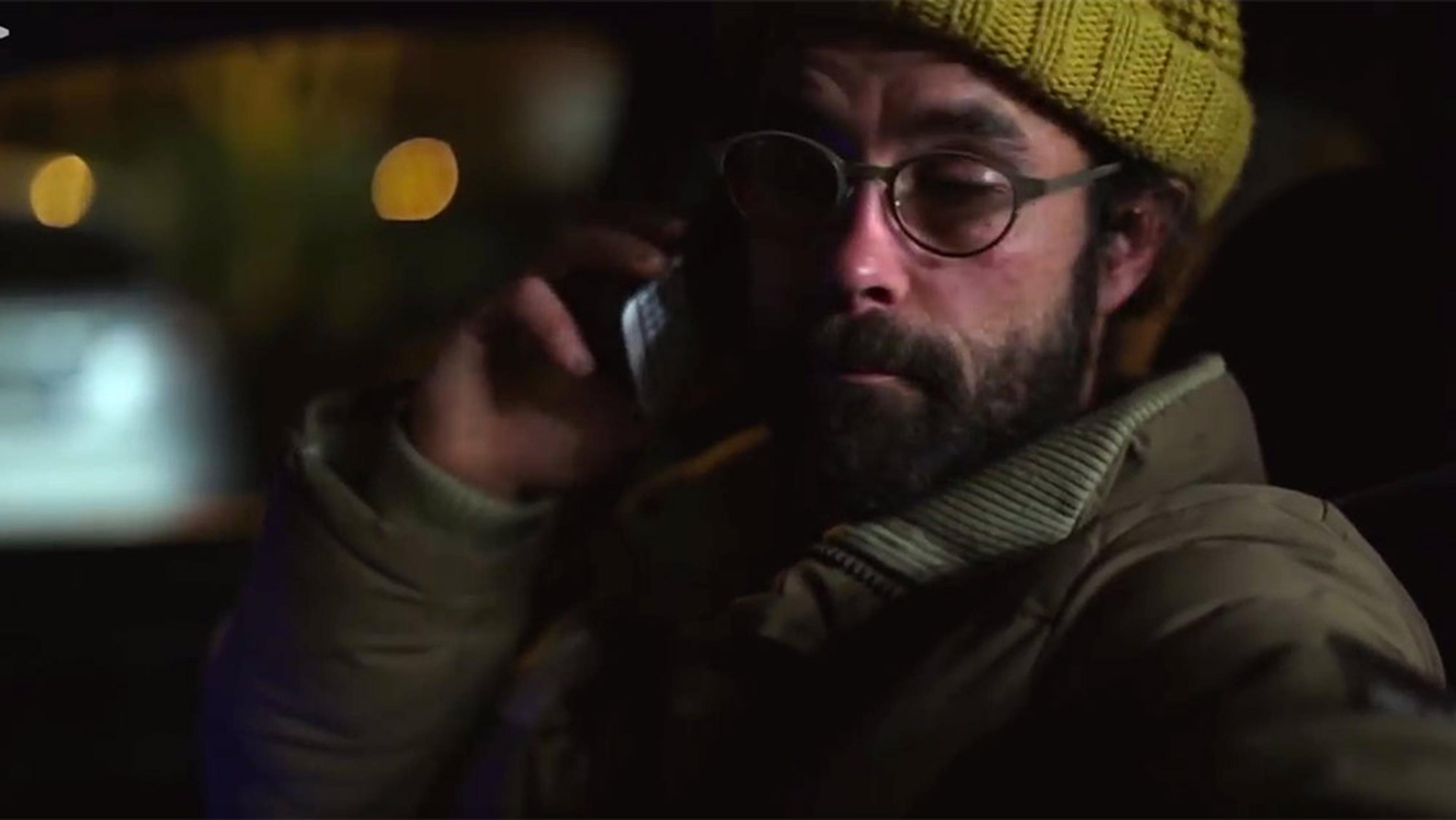
The farmer turned human rights activist who breaks France’s laws to defend its values
25 minutes
videoFamily life
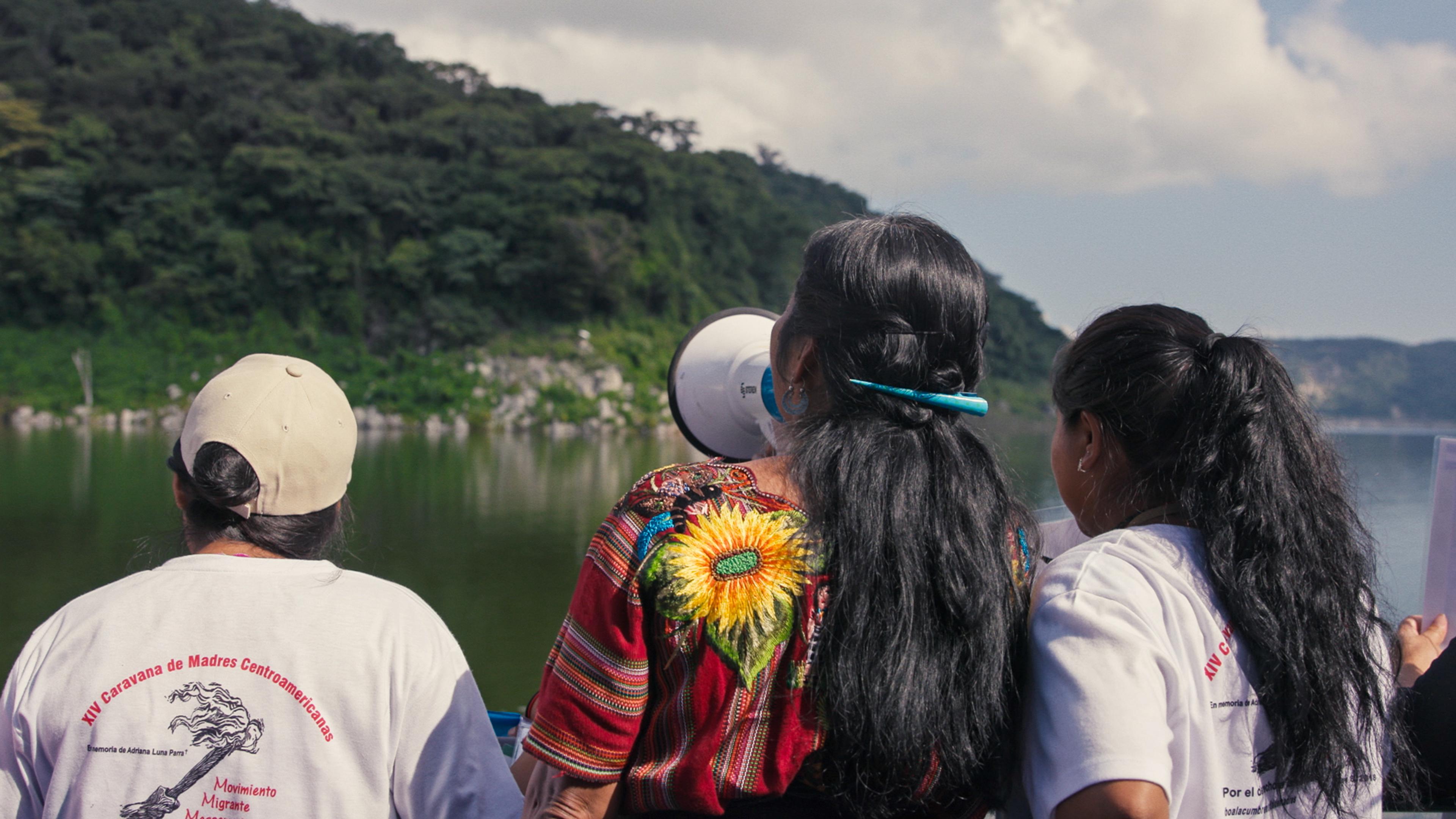
The migrants missing in Mexico, and the mothers who won’t stop searching for them
21 minutes
videoDemography and migration
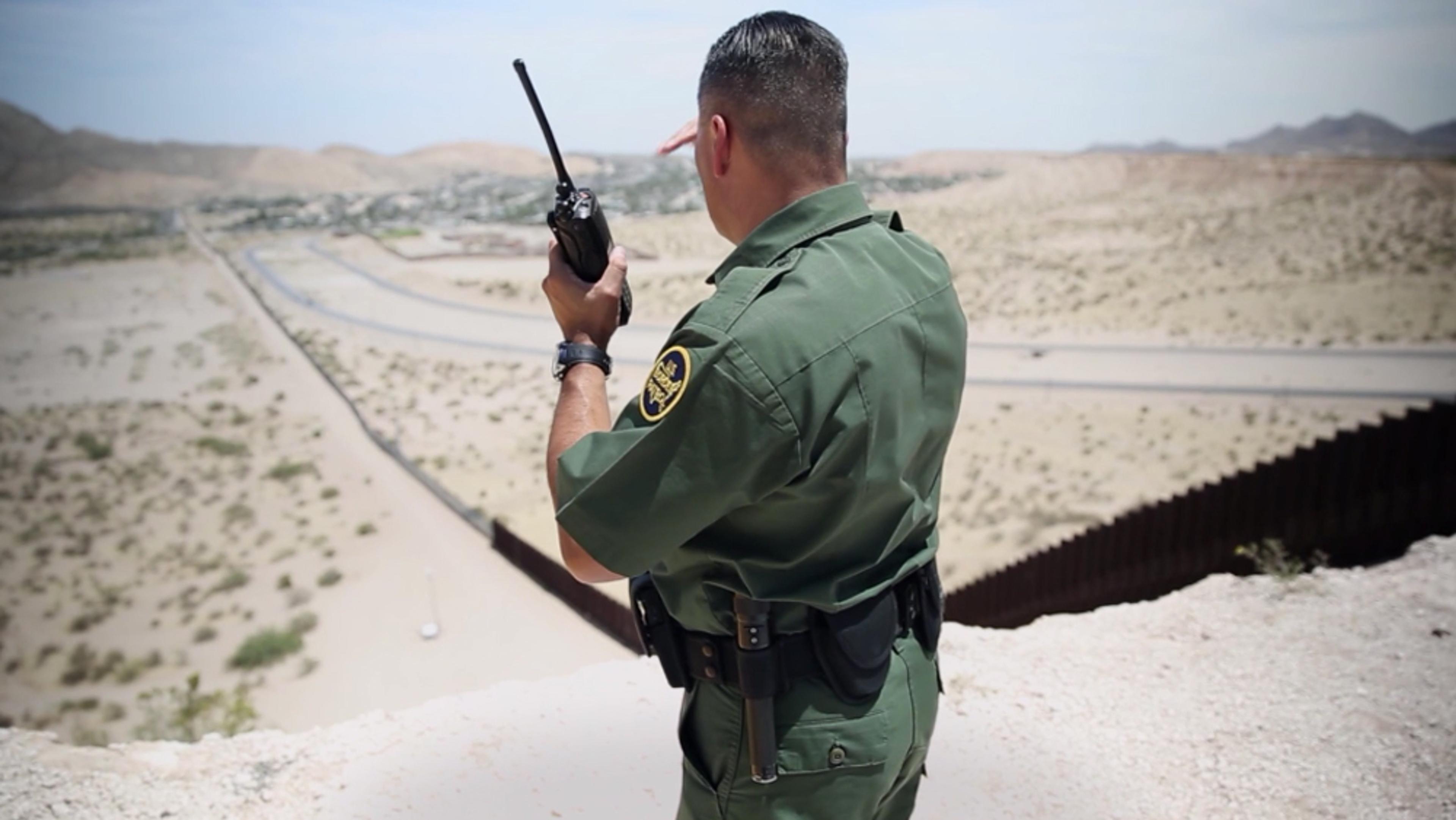
How the US-Mexico border fence divides people and damages the land
10 minutes
videoPolitics and government
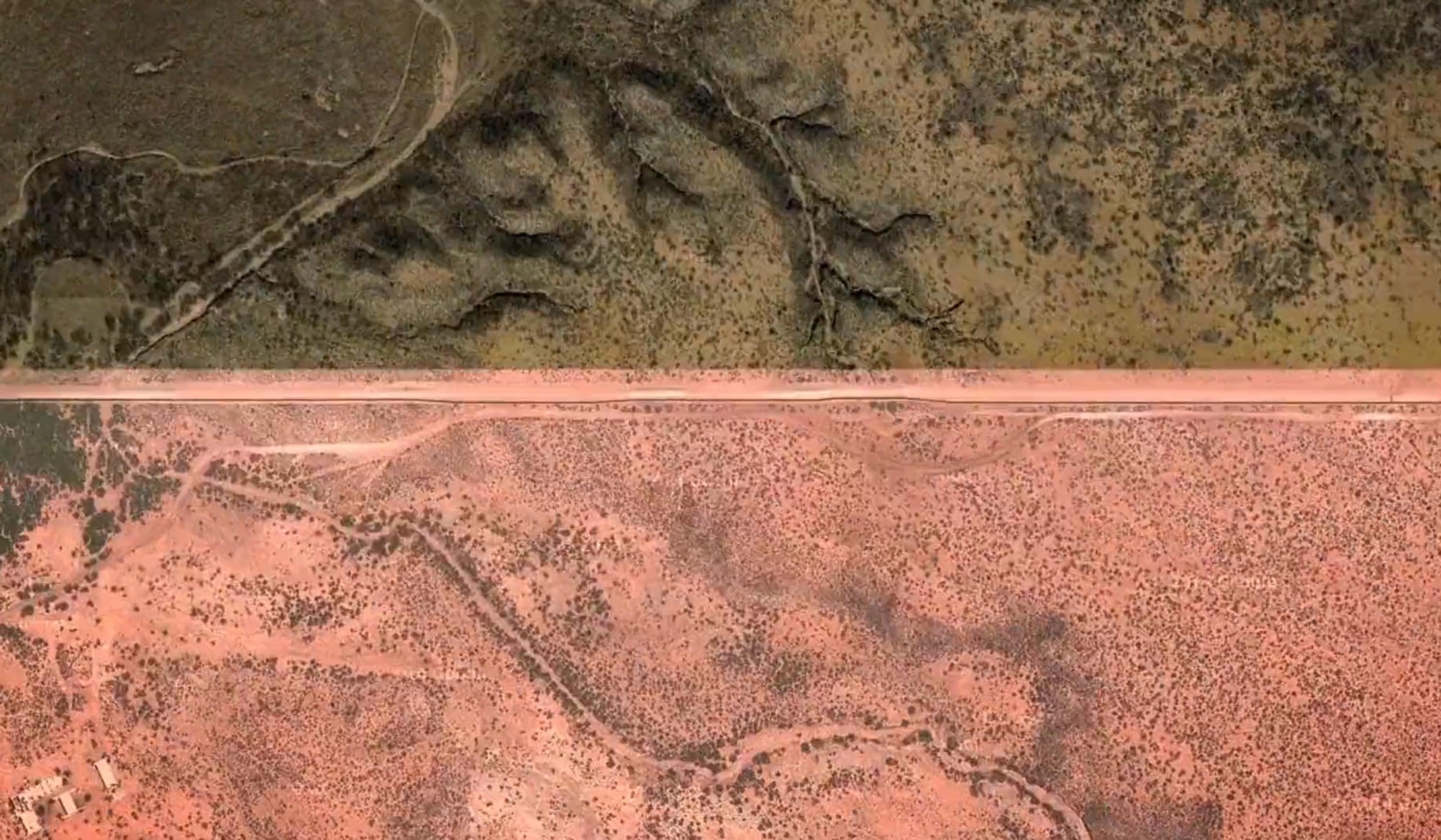
What would 2,000 miles of a US-Mexico border fence actually look like?
7 minutes