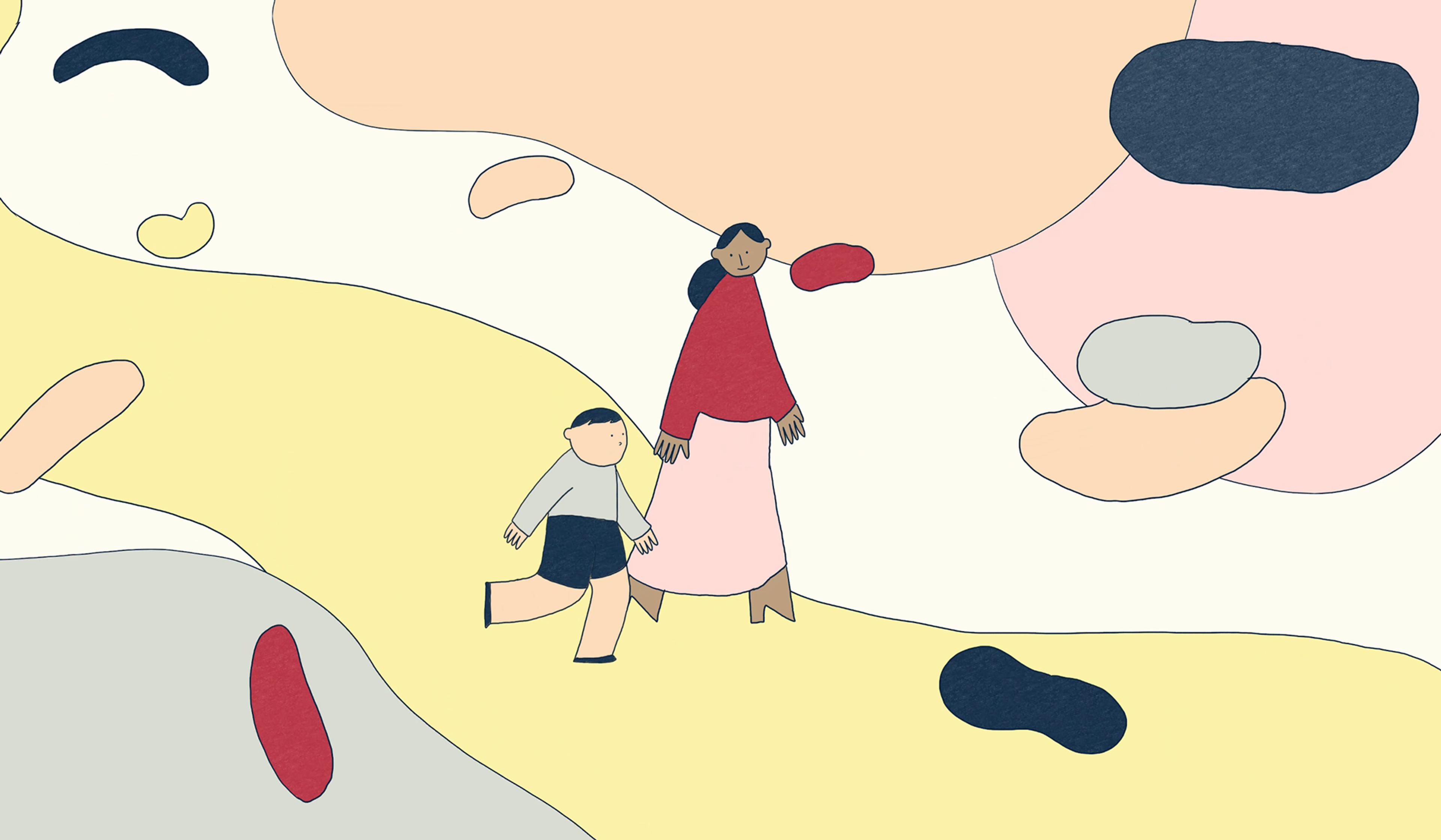
Never in human history have there been so many ways for privacies to be violated – or, often, just given away freely and without much thought. Using the thinly veiled metaphor of an animated alien planet teeming with terrible hovercar drivers, this animation from TED-Ed explores the value of privacy, and especially what we can lose or gain when we relinquish it. Spanning the work of philosophers ranging from Plato, who saw little value in the concept as we understand it today, to modern thinkers like the Israeli philosopher Ruth Gavison (1945-2020), who believed that certain privacies were necessary for modern democracies to function, the short asks viewers to consider both privacy’s worth and its very meaning in the modern world.
Plato saw little value in privacy. How do his ideas hold up in the information age?
30 January 2025
videoInformation and communication
The information age traffics in speed. To adapt to it wisely, we must slow down
5 minutes
videoPolitical philosophy
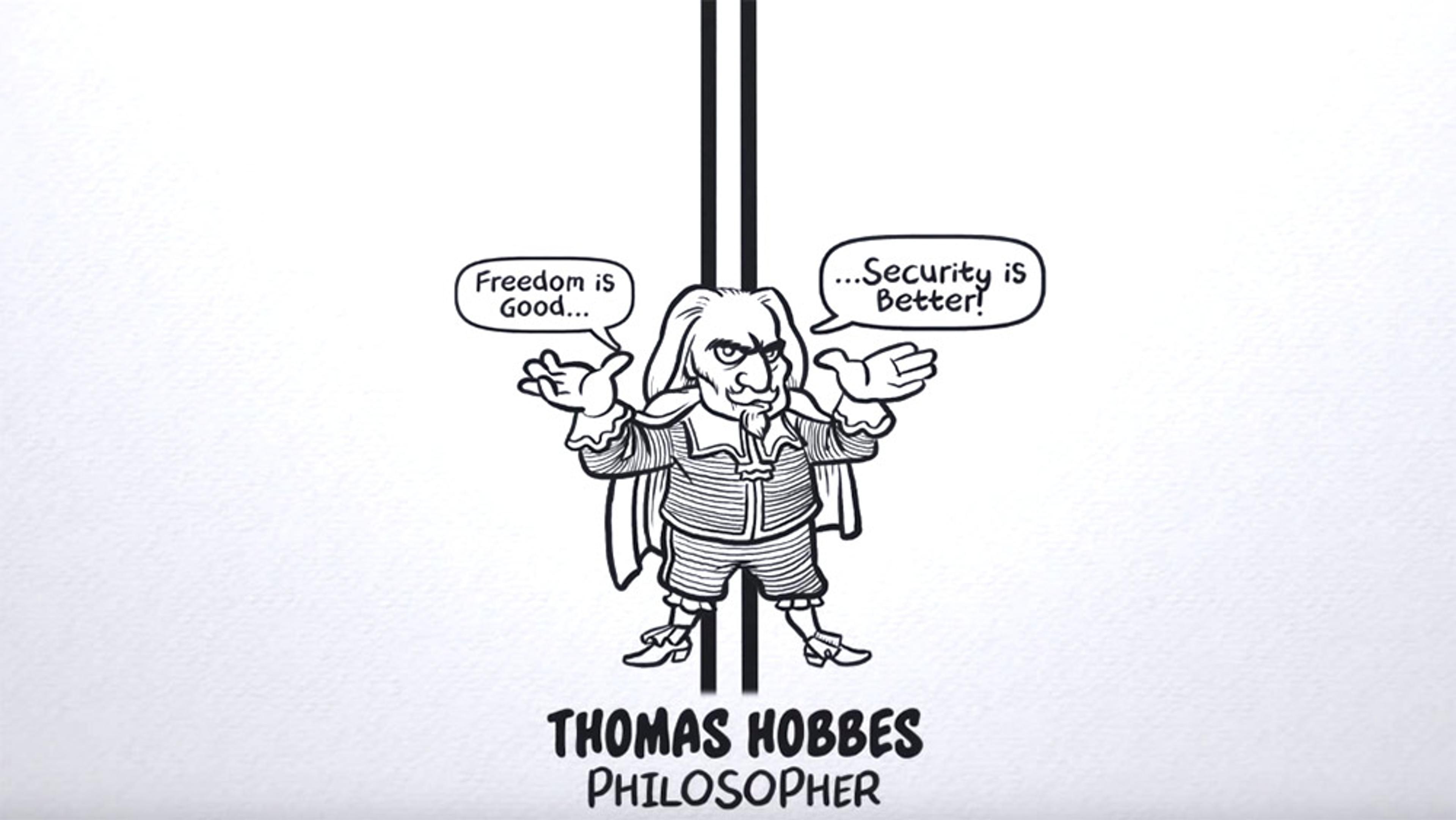
What are we willing to sacrifice to feel safe?
2 minutes

videoEthics
What’s an idea worth? How prominent thinkers have understood intellectual property
6 minutes
videoPolitical philosophy
Beyond the veil – what rules would govern John Rawls’s ‘realistic Utopia’?
6 minutes
videoEthics
For Iris Murdoch, selfishness is a fault that can be solved by reframing the world
6 minutes
videoMeaning and the good life
Would immortality offer a curse of boredom or endless novelty?
6 minutes