This short captures Tim Bovard, the staff taxidermist for the Natural History Museum of Los Angeles County, as he reflects on over five decades spent perfecting his craft. Sparked by a childhood fascination with the museum’s dioramas that never faded, Bovard has devoted his career to shaping what he calls the ‘illusion of life’ – a process that requires both scientific precision and imaginative interpretation. Moving between his workshop, where he’s preparing a European starling for display, and the museum’s galleries, Bovard considers how these dioramas can help shape the public’s understanding of the nonhuman animal world. His reflections resonate deeply at a time when many people have limited contact with wildlife, and many of the species depicted in these displays are disappearing at alarming rates.
There’s a gentle artistry to a museum taxidermist’s craft
Video by PBS
Producer: Nic Cha Kim
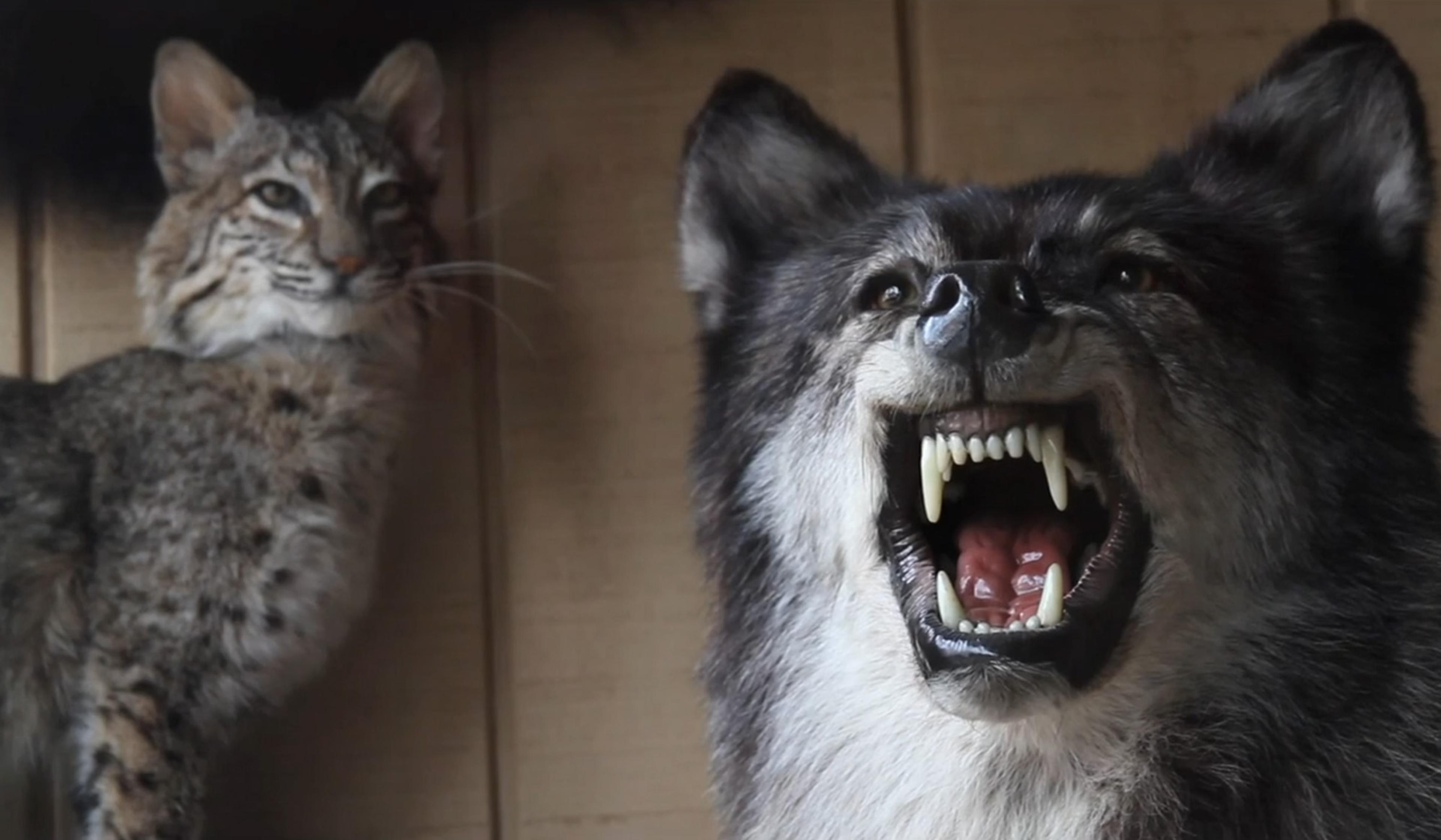
videoThe environment
For some, taxidermy is a practice about art, science and a love of wildlife
21 minutes
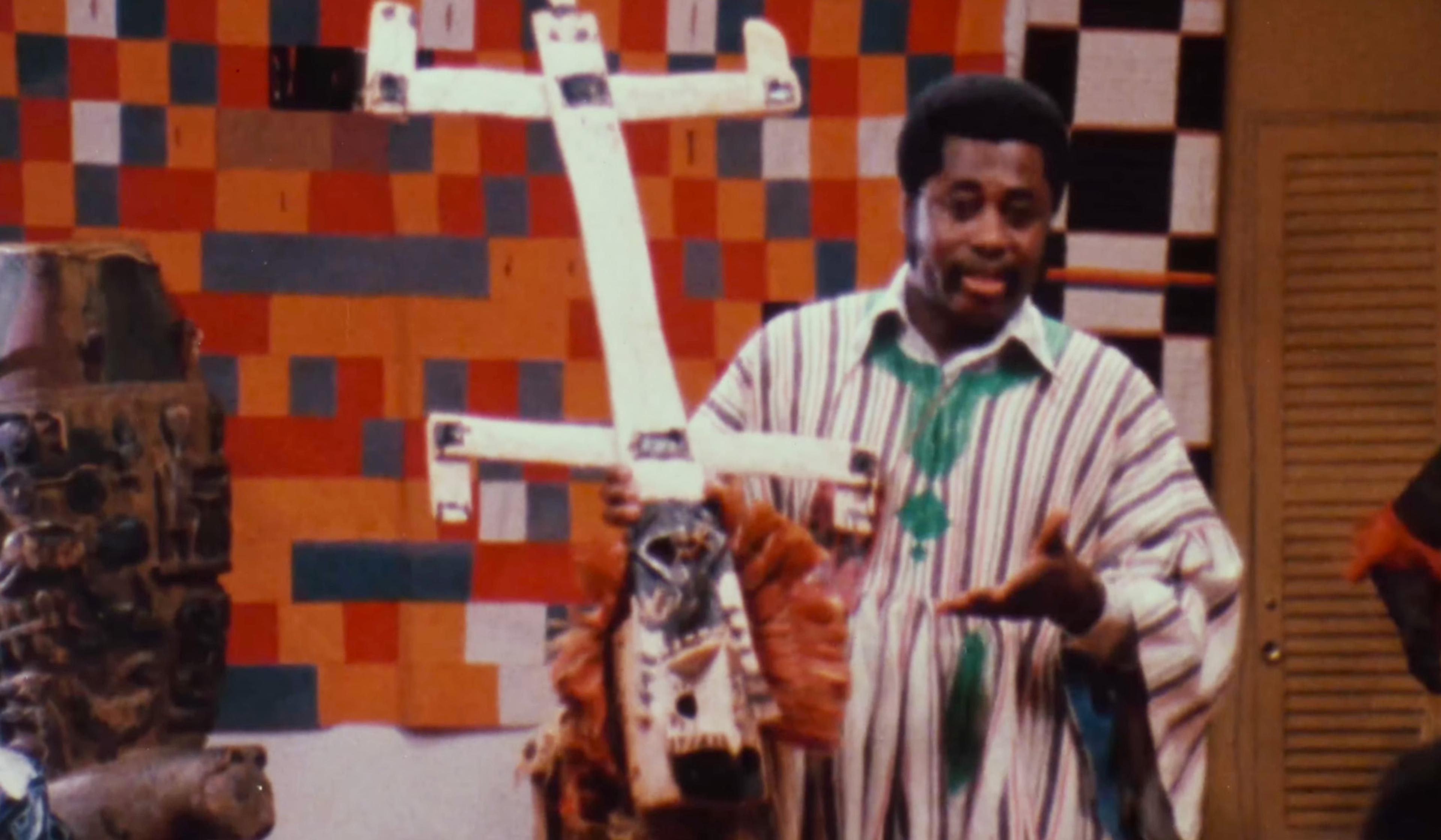
videoArt
From archaeology digs to display cabinets: how museums bring exhibits to life
37 minutes
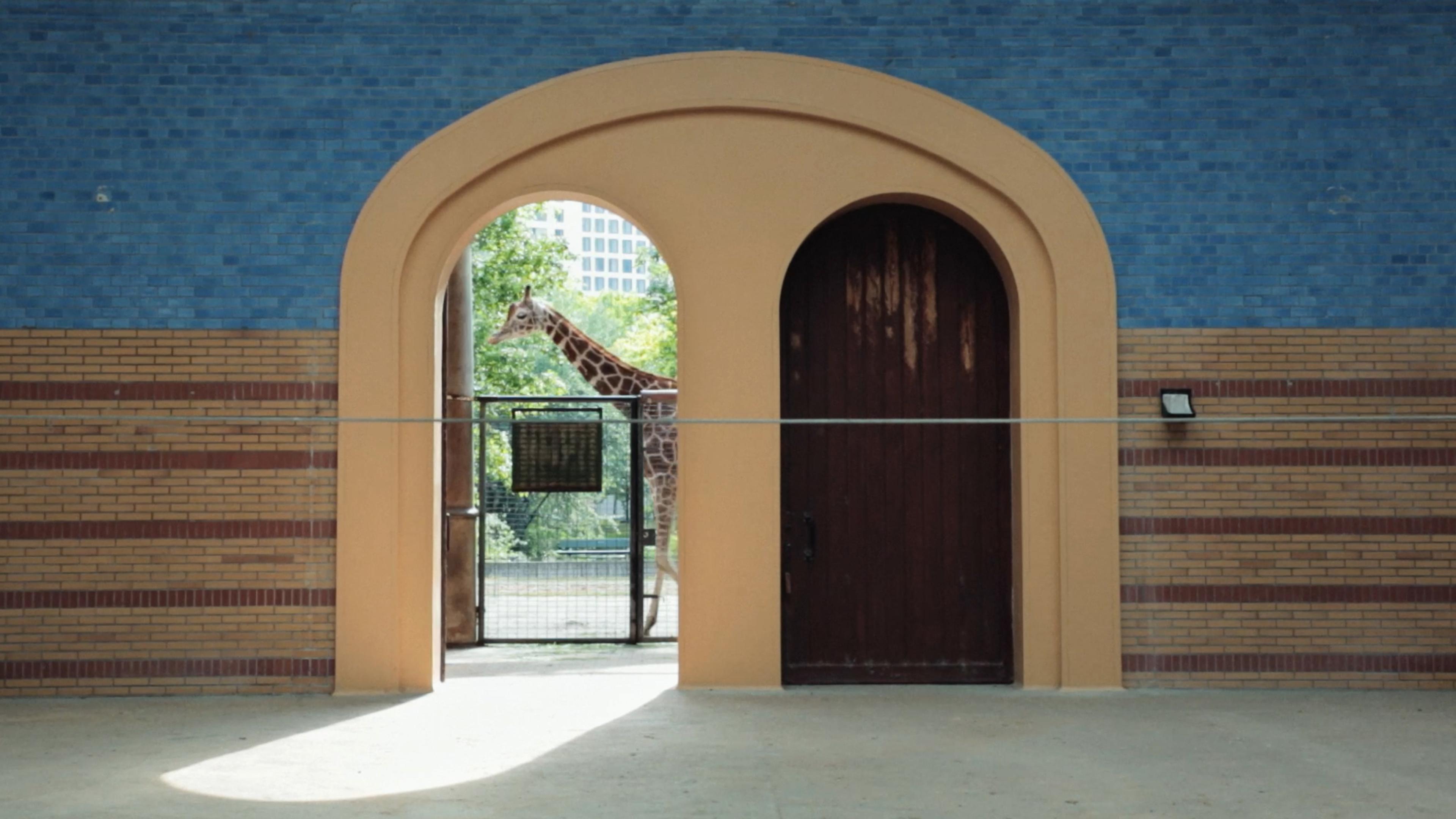
videoAnimals and humans
Are zoos and natural history museums born of a desire to understand, or to control?
57 minutes
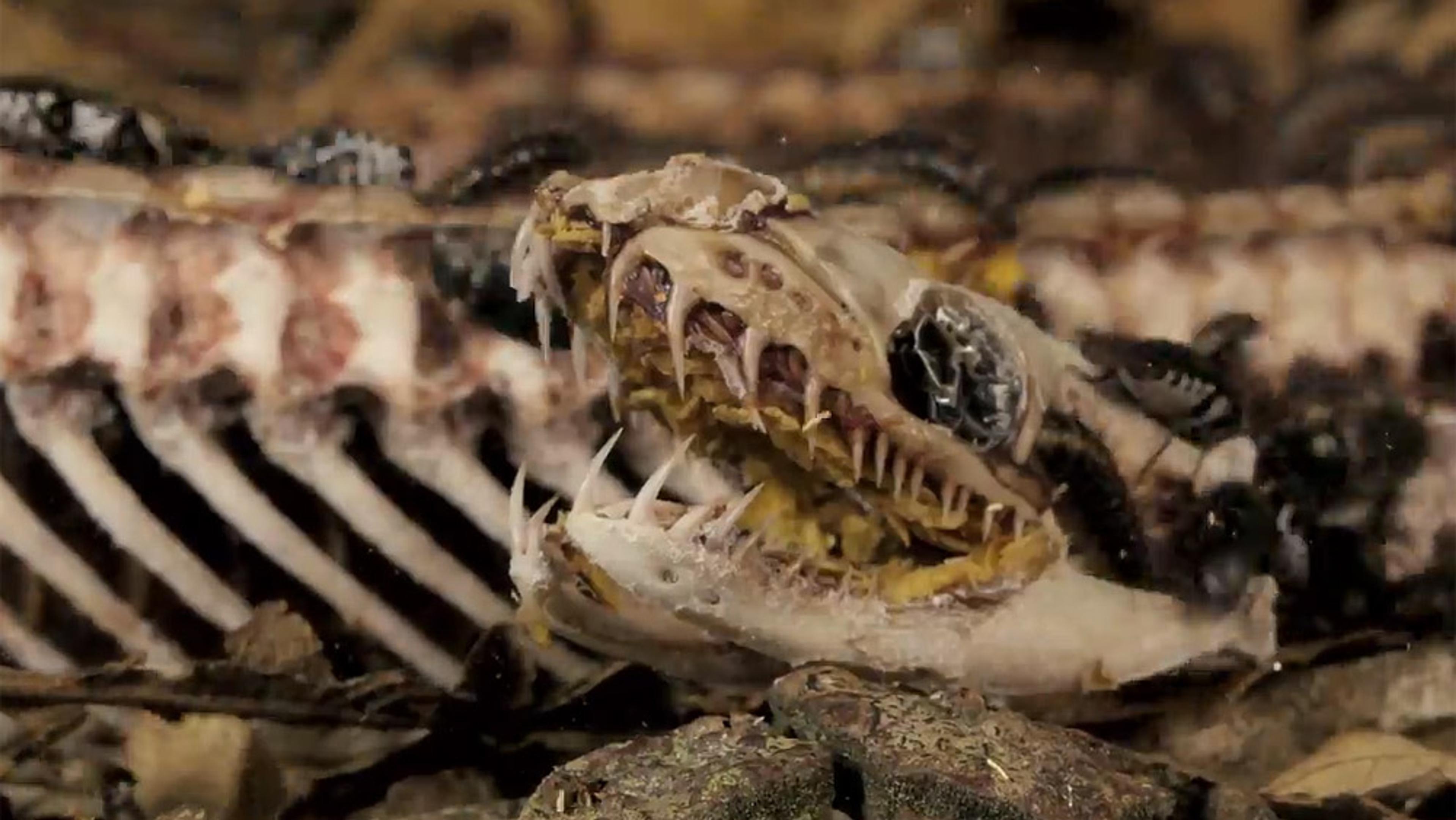
videoHistory of science
A museum’s uneasy alliance between scientists and flesh-eating beetles
3 minutes
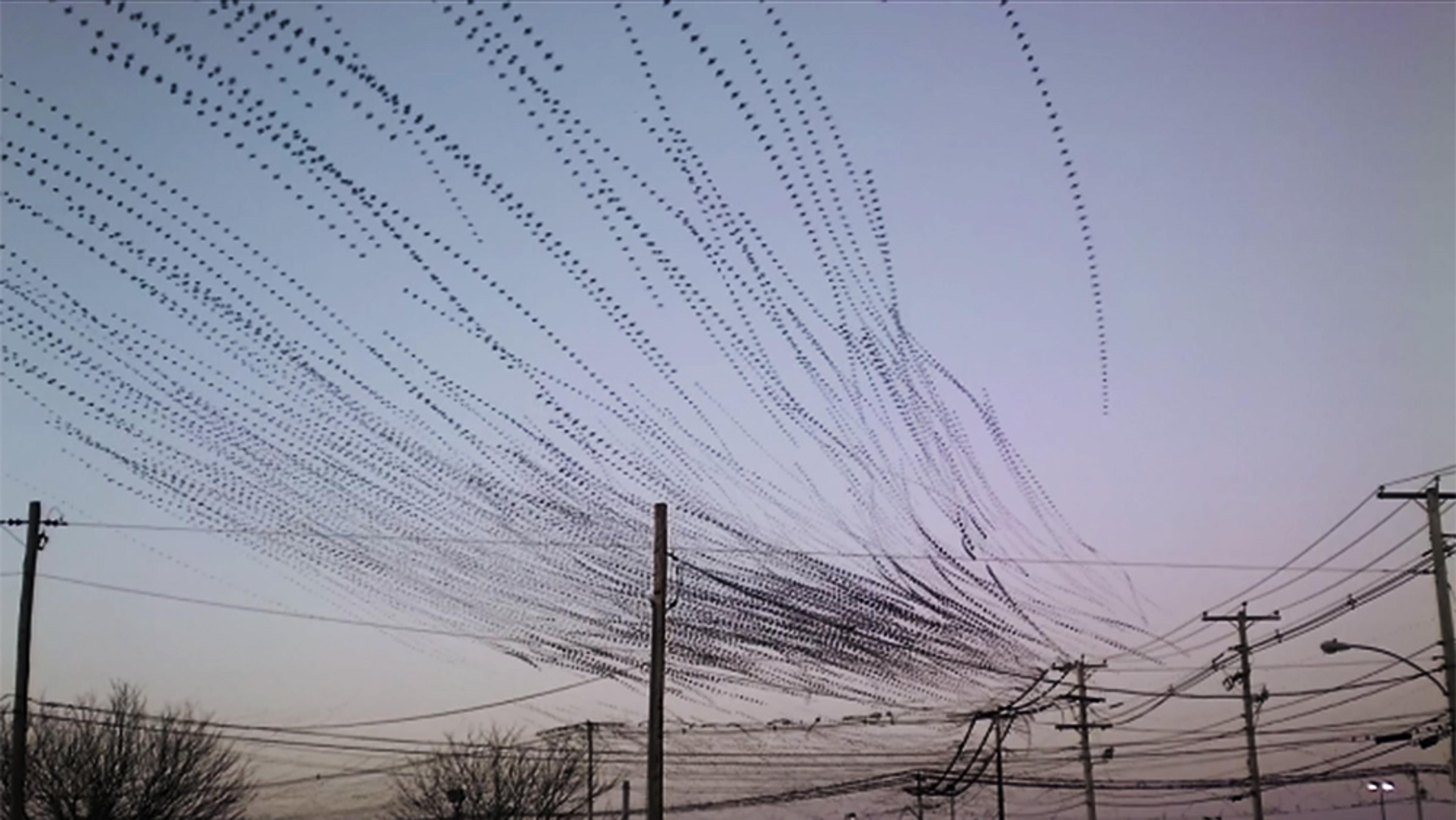
videoArt
The inadvertent art of tiny bodies – stunning, hidden patterns of animal movement
10 minutes
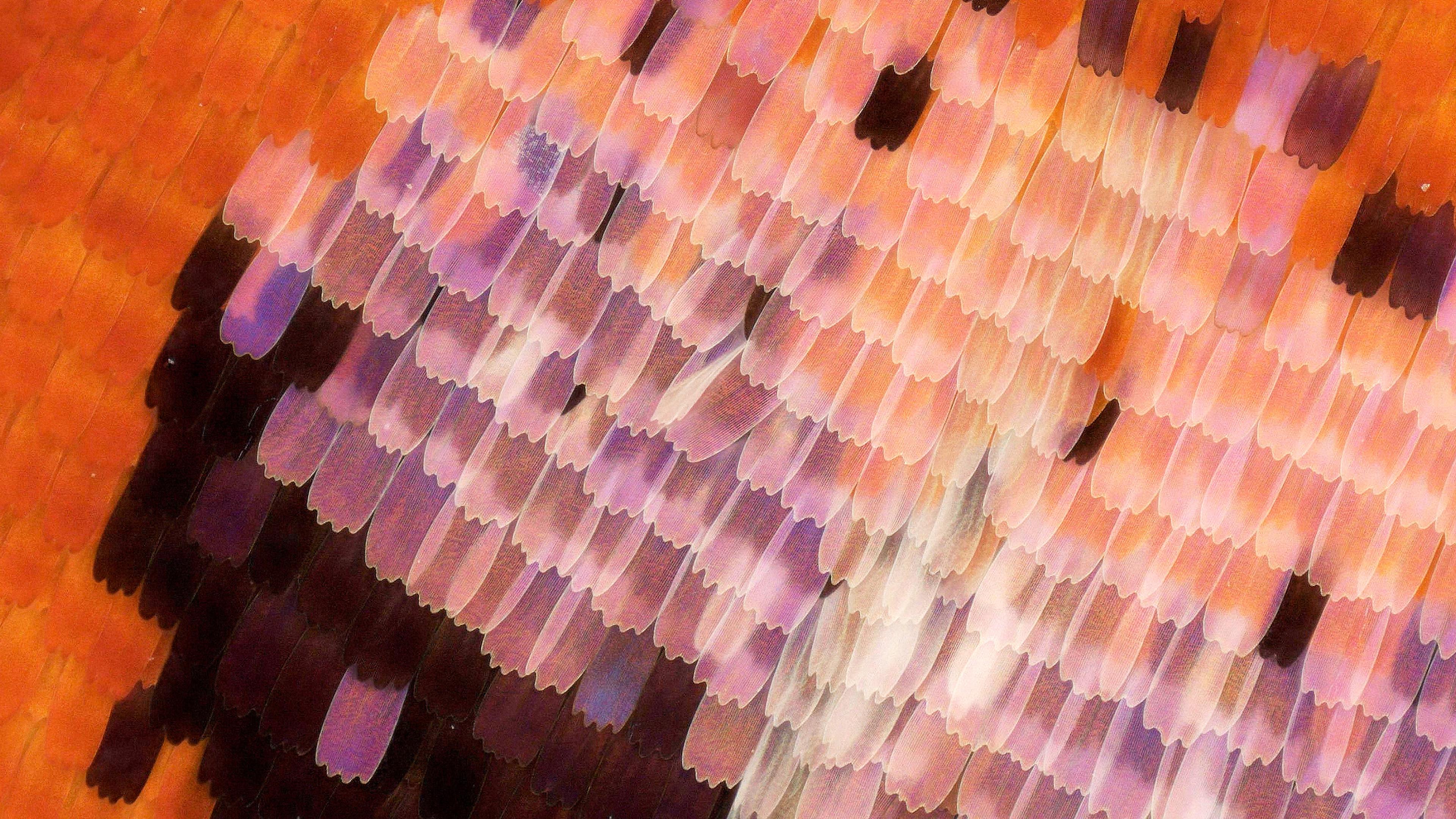
videoBiology
Brilliant dots of colour form exquisite patterns in this close-up of butterfly wings
3 minutes
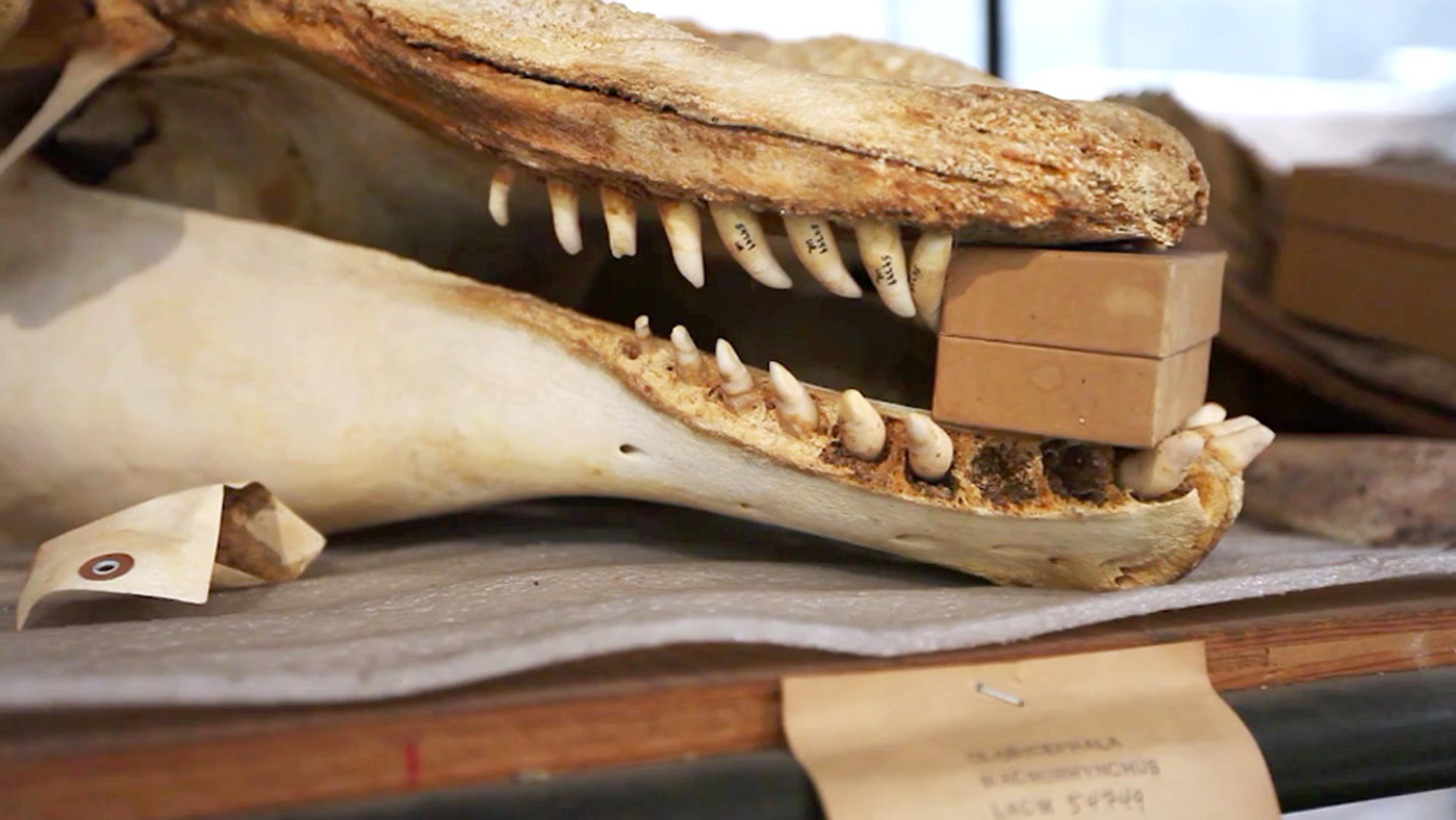
videoHistory of science
The sprawling, stinking marvels of a natural history museum’s specimens
7 minutes

videoHistory of science
Insect aesthetics – long viewed as pests, in the 16th century bugs became beautiful
8 minutes
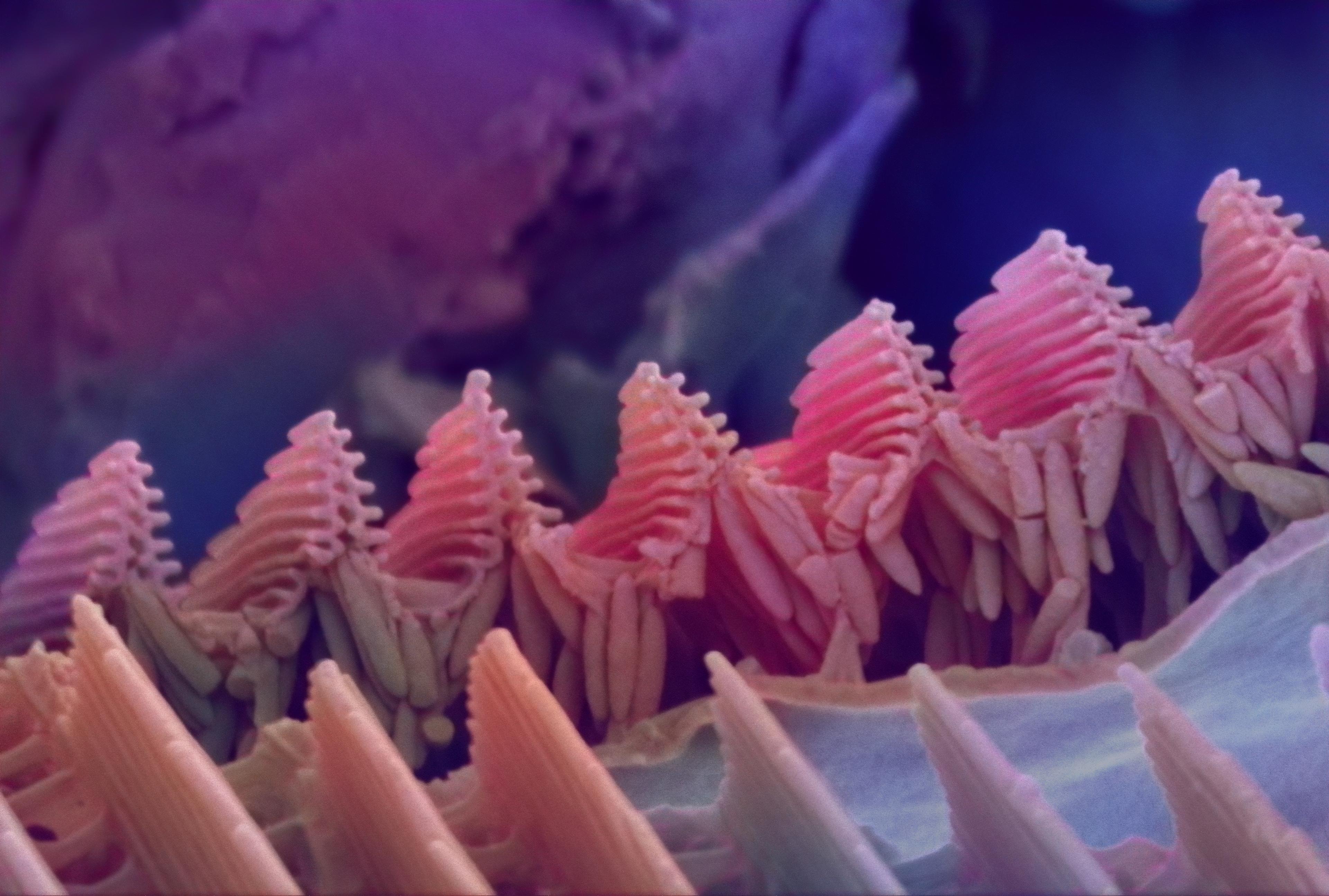
videoBiology
Butterflies become unrecognisable landscapes when viewed under electron microscopes
4 minutes