The early ancestors of plants were simple forms of algae, which drifted rootless through fresh waters. Most biologists believe that, only when algae partnered with a very different life form – fungi – some 470 million years ago, was it able thrive on land. Indeed, today some nine in 10 land plants exist in symbiosis with what’s known as ‘mycorrhizal’ fungi, which helps their roots to extract nutrients from the ground. This animation from the Society for the Protection of Underground Networks and the Fungi Foundation details how this hidden relationship operates, the vital role these underground fungal networks play in ecosystems worldwide, and the threats they currently face due to human activity.
When algae met fungi – the hidden story of life’s most successful partnership
8 November 2023
videoBiology
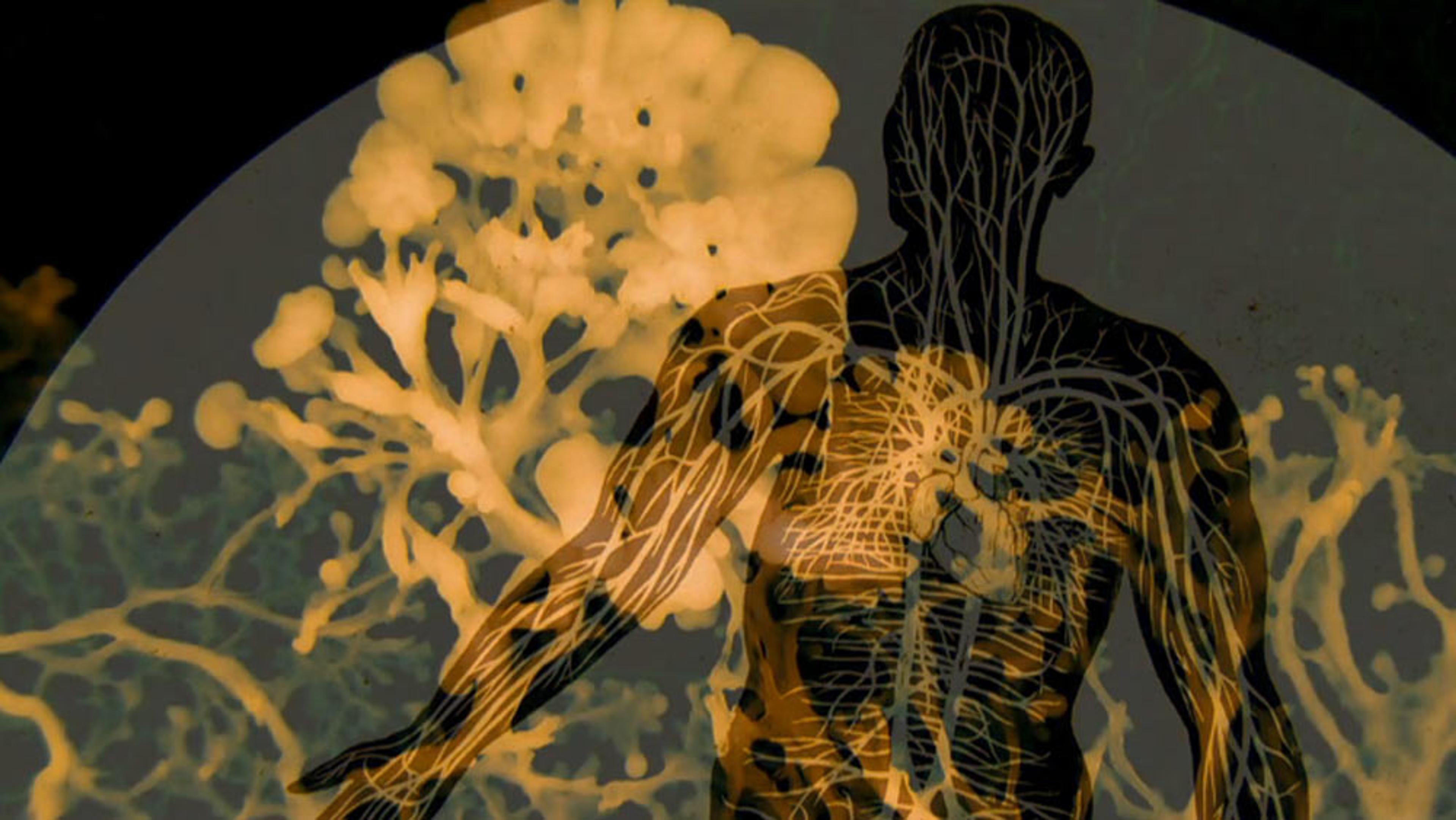
Could organless plasmodial slime mould hold secrets about intelligent life?
2 minutes
videoEcology and environmental sciences
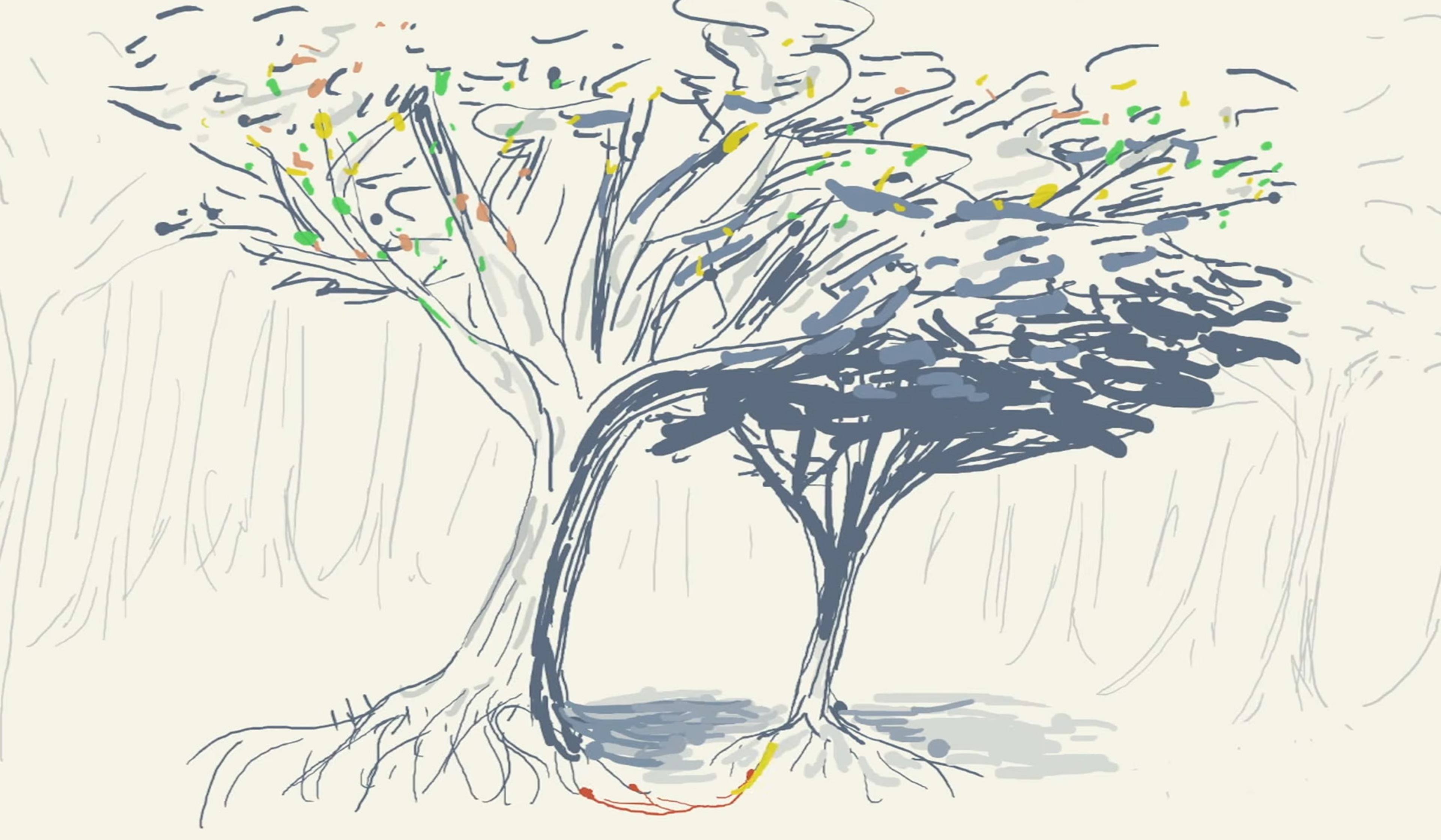
The incredible – and still quite mysterious – way trees trade information via their roots
5 minutes
videoBiology
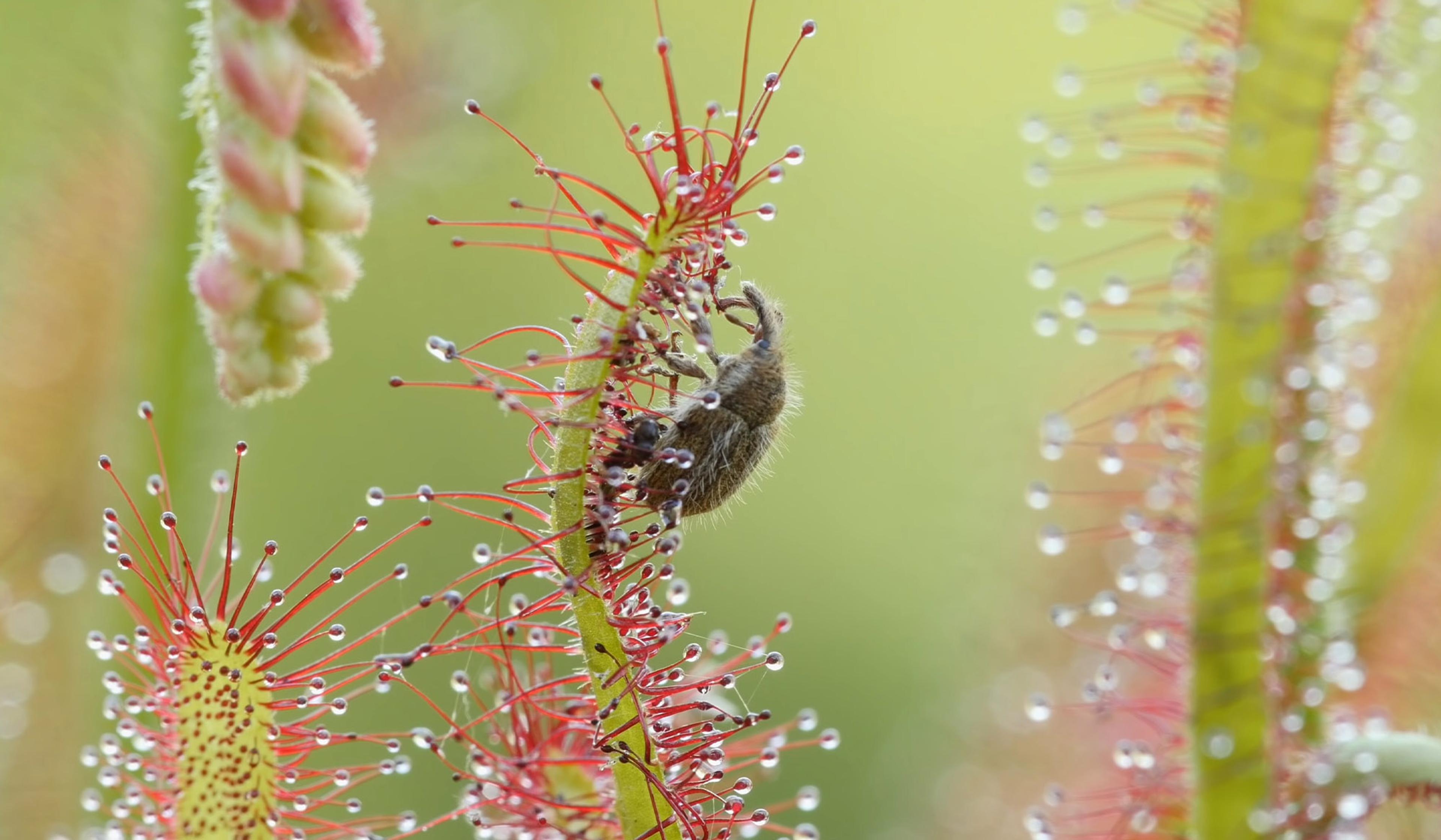
Cape sundews move, react and attack in a way that seems more animal than plant
4 minutes

videoBiology
The idea that life on Earth originated elsewhere is not as far out as it seems
6 minutes
videoEcology and environmental sciences
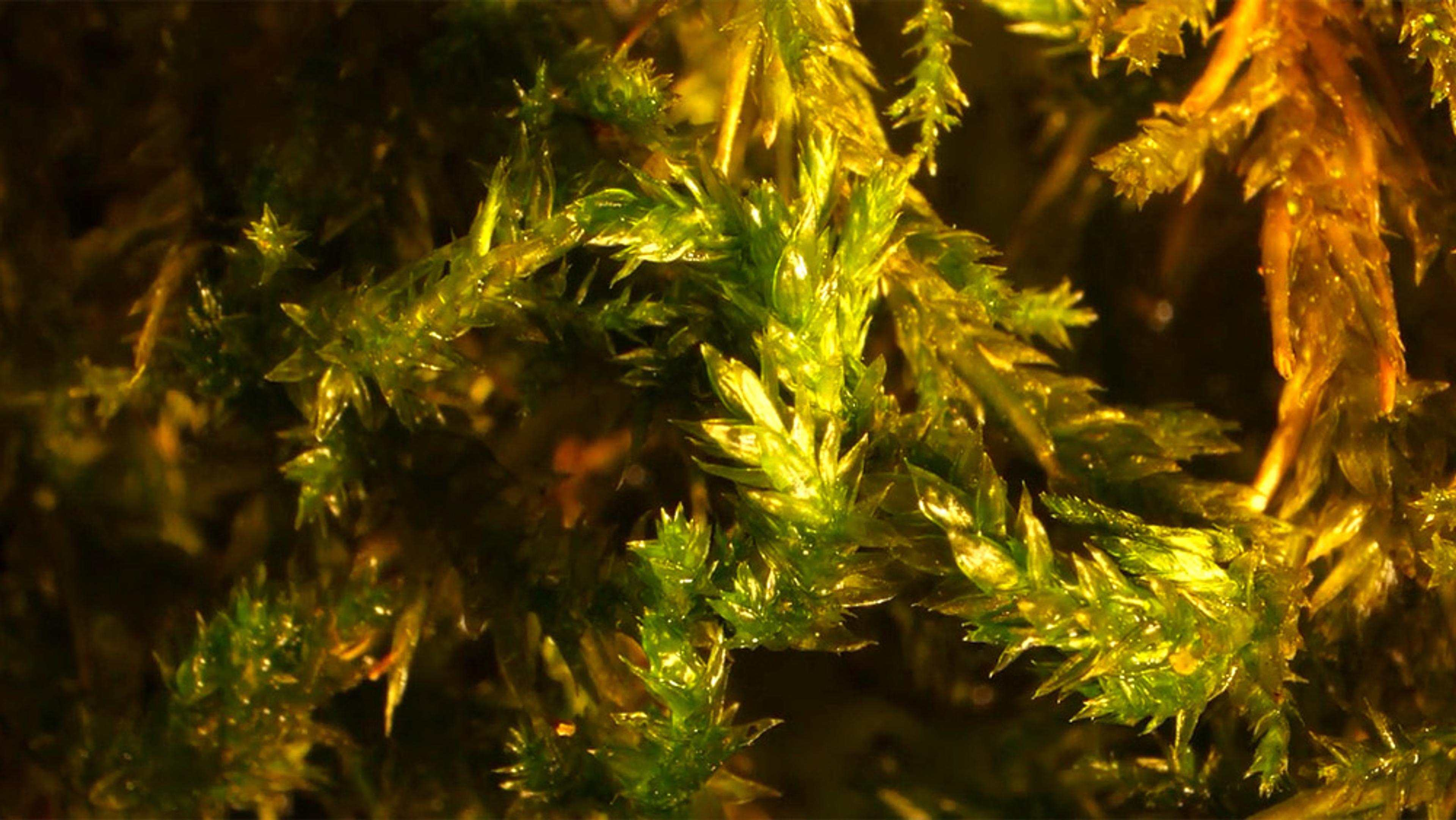
Will life-forms that can go a century without water save crops from droughts?
3 minutes

videoHistory of science
‘I could not but wonder at it’: history’s first glimpses into the microbial world
7 minutes
videoBiology
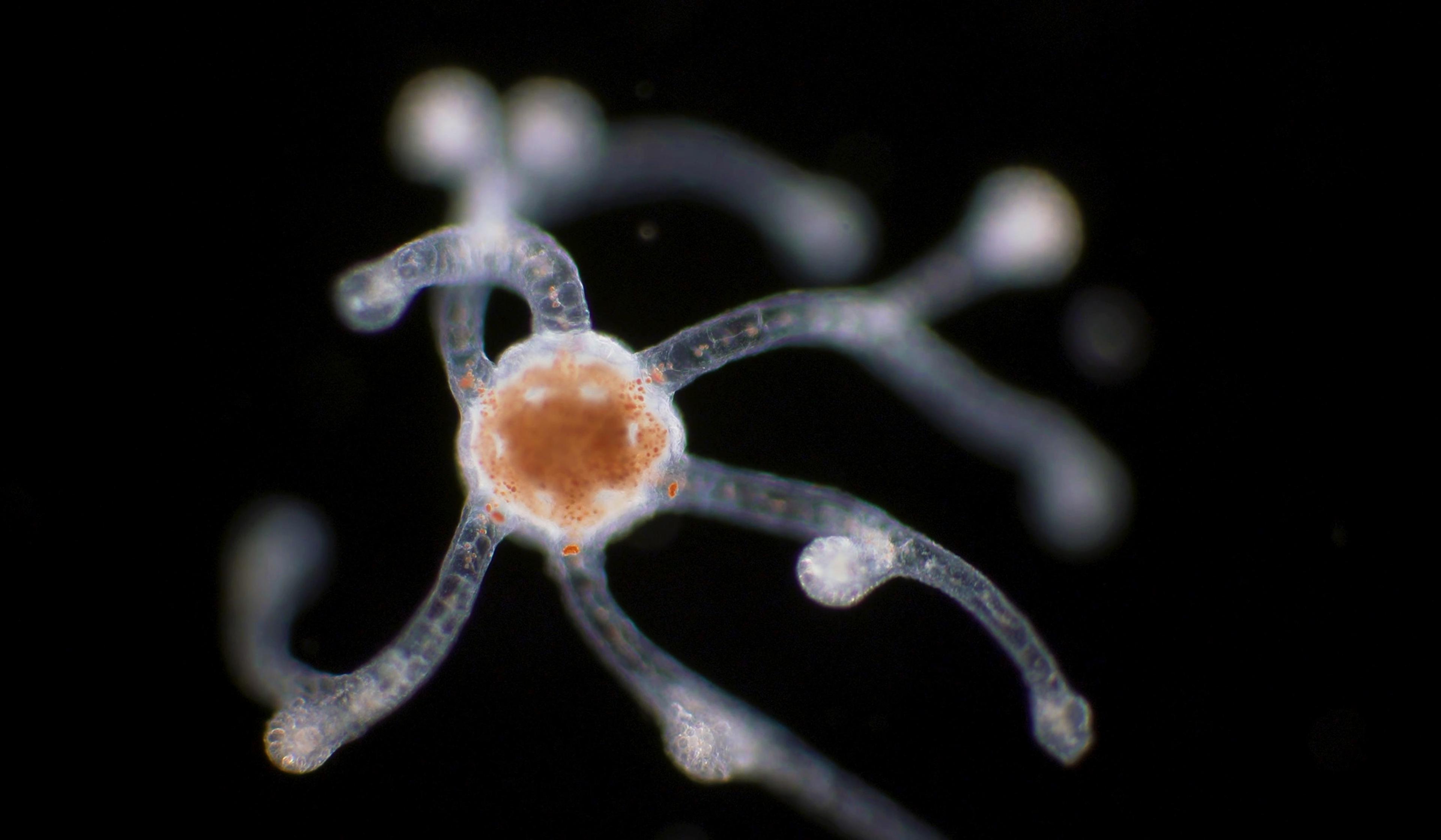
Peering into the eerie world of plankton reveals a variety of vital creatures
3 minutes

videoMeaning and the good life
Amid the chaos of being, Nietzsche believed that plants offer us inspiration for living
8 minutes

videoGenetics
Chimeras and lightning: a radical perspective on the evolution of complex life
6 minutes