Empathy comes in two distinct forms: affective empathy is our instinct for mirroring the emotions of others, while cognitive empathy is our conscious ability to understand someone else’s perspective. In this instalment of Aeon In Sight, the British writer Roman Krznaric argues that empathy is a uniquely powerful – if often overlooked – tool for transforming and improving societies on a mass scale. Using it effectively, however, requires much more than affective empathy’s rush of emotions and reflexive reactions, to which the culture today seems particularly inclined. Rather, to get the most out of empathy, we must focus on widening our moral concern through cognitive empathy, finding ways to move from the personal to the collective.
Why we need to move empathy from personal emotion to collective moral concern
Interviewer: Nigel Warburton
Producer: Kellen Quinn
Editor: Adam D’Arpino
Assistant Editor: Alyssa Pagano
26 July 2016
videoCosmopolitanism
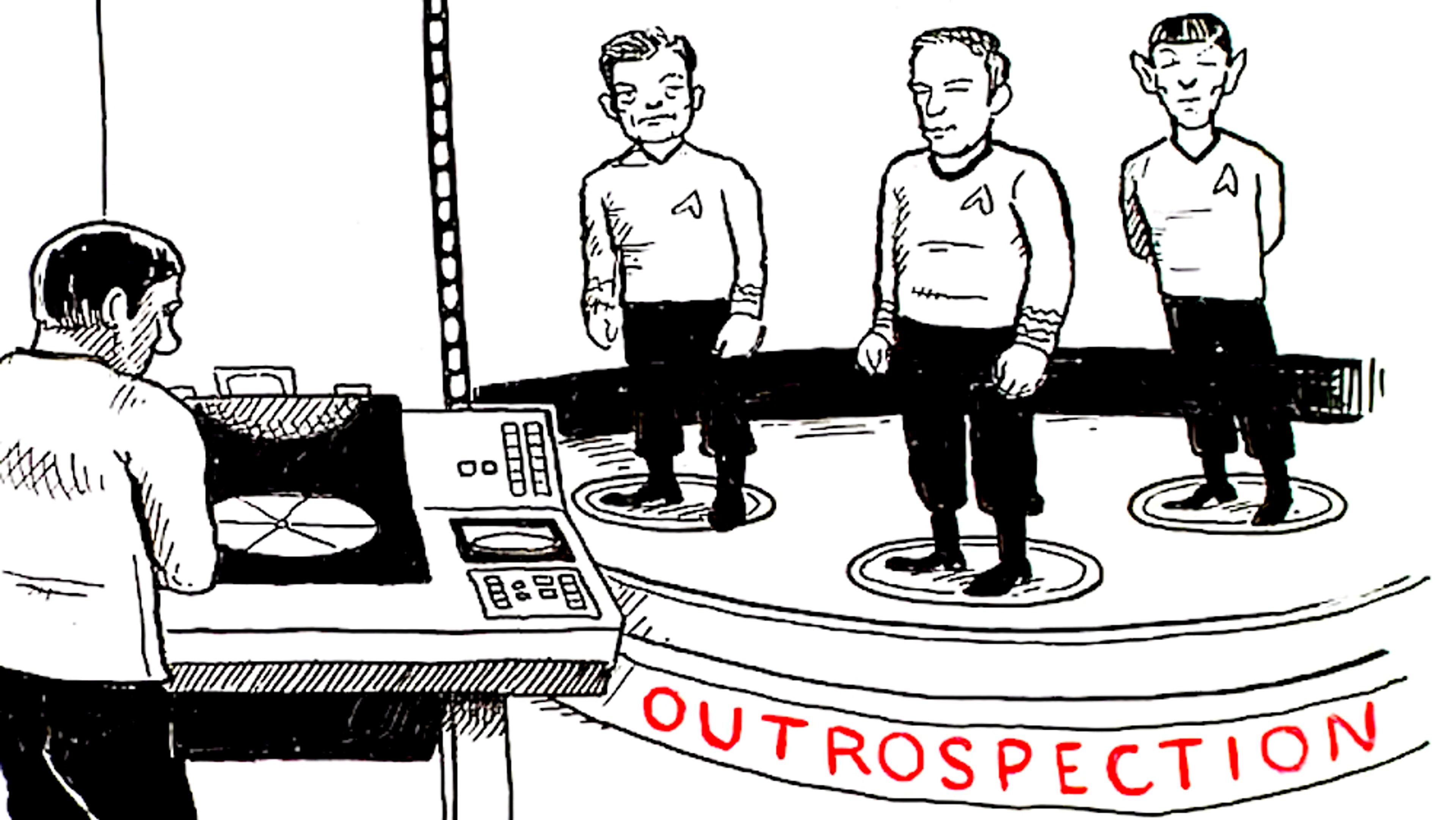
Is the introspection of self-help and therapy hurting our ability to empathise?
10 minutes

videoCognition and intelligence
How a ‘periodic table’ of animal intelligence could help to root out human bias
5 minutes

videoNeuroscience
Aristotle was wrong and so are we: there are far more than five senses
6 minutes

videoPhilosophy of mind
Anil Seth on why our senses are fine-tuned for utility, not for ‘reality’
10 minutes

videoPleasure and pain
A happy life is built on pleasures such as sex and food, but also company and variety
7 minutes

videoEthics
For Iris Murdoch, selfishness is a fault that can be solved by reframing the world
6 minutes

videoKnowledge
Teaching philosophy at school isn’t just good pedagogy – it helps to safeguard society
5 minutes

videoNeuroscience
The brain repurposed our sense of physical distance to understand social closeness
5 minutes

videoNeuroscience
On the ‘beholder’s share’ – how past experience influences our perception of art
5 minutes