Plato once described the philosopher Diogenes of Sinope as ‘a Socrates gone mad!’ It’s a good comparison. Like Socrates, Diogenes gave the bird to respectable society. He undermined status and manners in the 4th century BCE with his bottomless reserve of shamelessness and irreverence, opting to live on the streets like a stray dog. But, of course, there was a method to his madness. In this short video by TED-Ed, the Irish philosopher William D Desmond explains how Diogenes lived an authentic and ascetic life in accordance with nature, and how in doing so he founded the philosophy of cynicism – an iconoclastic tradition that continues to illuminate and infuriate today.
Cynicism was born when Diogenes rejected materialism and manners
19 January 2021

videoKnowledge
Want to think for yourself? Start with an agonising state of doubt, says Kierkegaard
7 minutes

videoMeaning and the good life
How the Stoic embrace of death can help us get a grip on life
5 minutes

videoHistory of ideas
Why Socrates believed that sexual desire is the first step towards righteousness
2 minutes

videoThinkers and theories
‘My art is oratory, Socrates.’ An ancient warning on the power and peril of rhetoric
4 minutes

videoHistory of ideas
Socrates believed self-knowledge was essential. Today, we wonder if there’s even a self to know
2 minutes

videoKnowledge
Orson Welles’s psychedelic 1973 adaptation of Plato’s timeless allegory of the cave
9 minutes

videoHistory of ideas
I am, therefore I think – how Heidegger radically reframed being
13 minutes
videoHistory of ideas
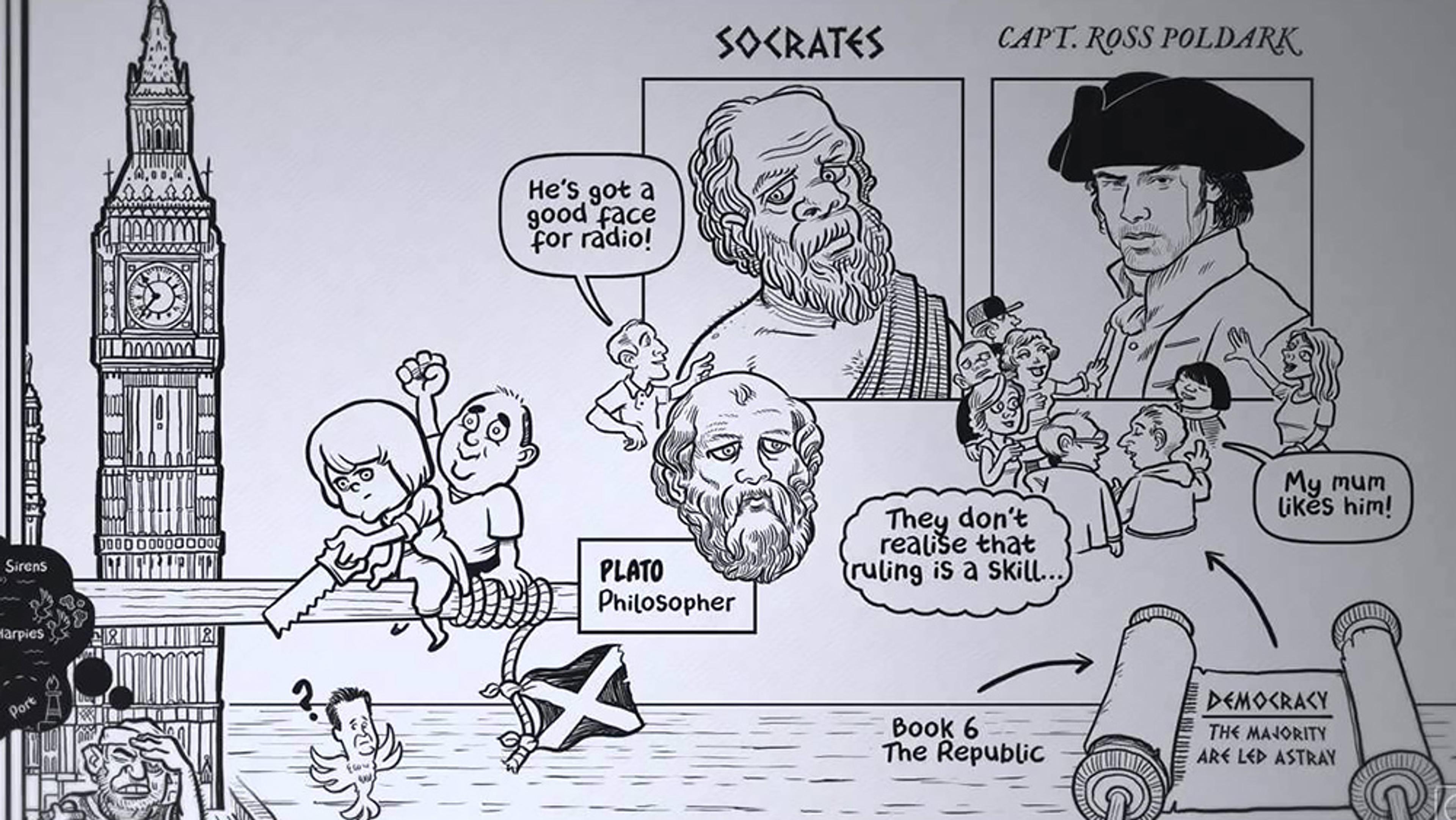
Why Plato believed that philosopher kings – not democracy – should run the state
2 minutes
videoPhilosophy of mind
‘Am I not at least something?’ A surreal dive into Descartes’s Meditations
3 minutes