The 20th-century Canadian-American sociologist Erving Goffman believed that we adapt to roles – lover, customer, worker – based on circumstance, and are constantly concerned with how we’re appearing to others. This short animation explains why Goffman’s view of humanity left no room for a ‘true self’ – an actor behind all the roles we play.
If, as Shakespeare suggested, all the world’s a stage, do we have a ‘true self’?
11 February 2016
videoPolitical philosophy
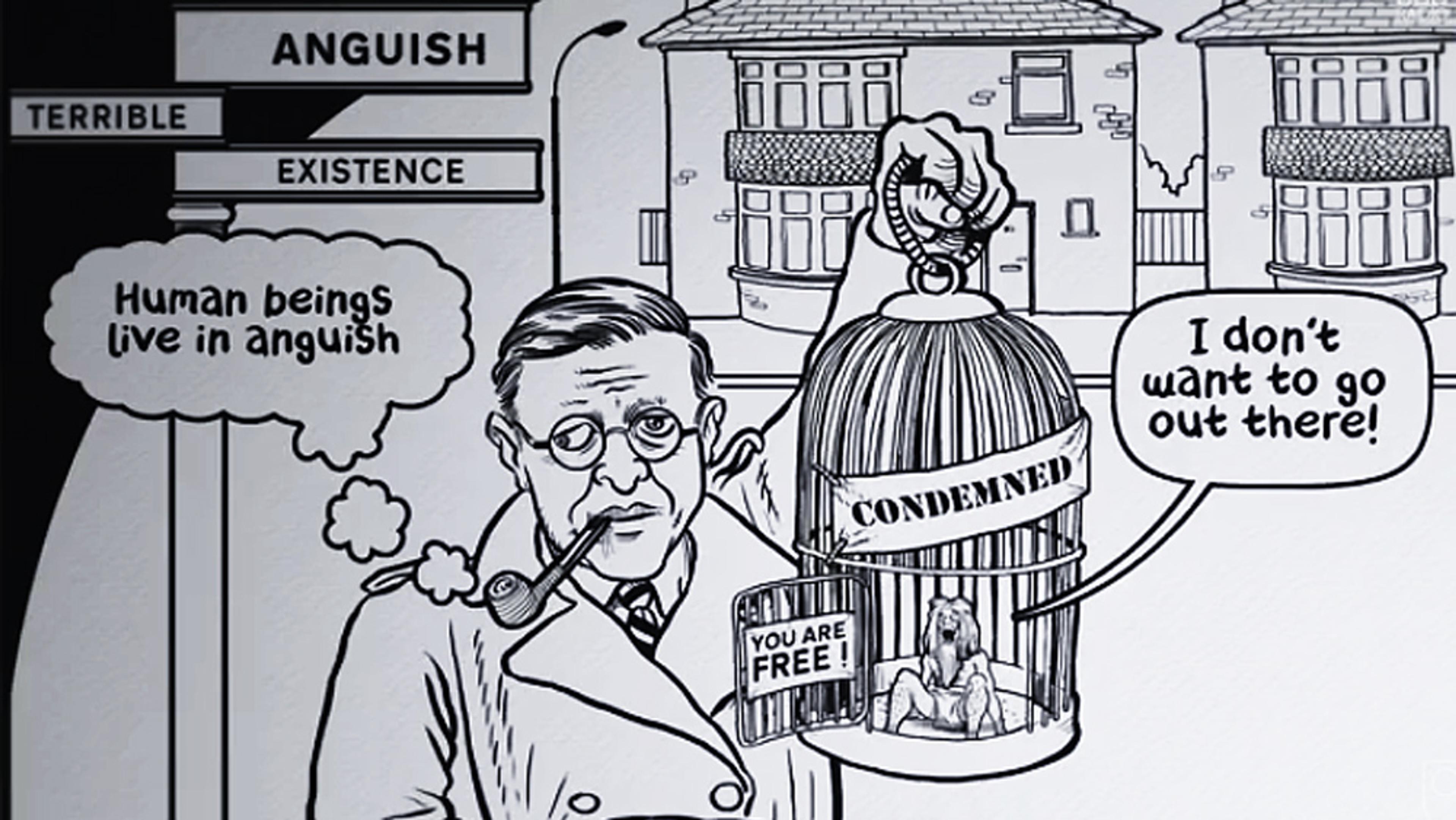
Sartre and the existential choice: ‘In fashioning myself, I fashion humanity’
2 minutes
videoHistory of ideas
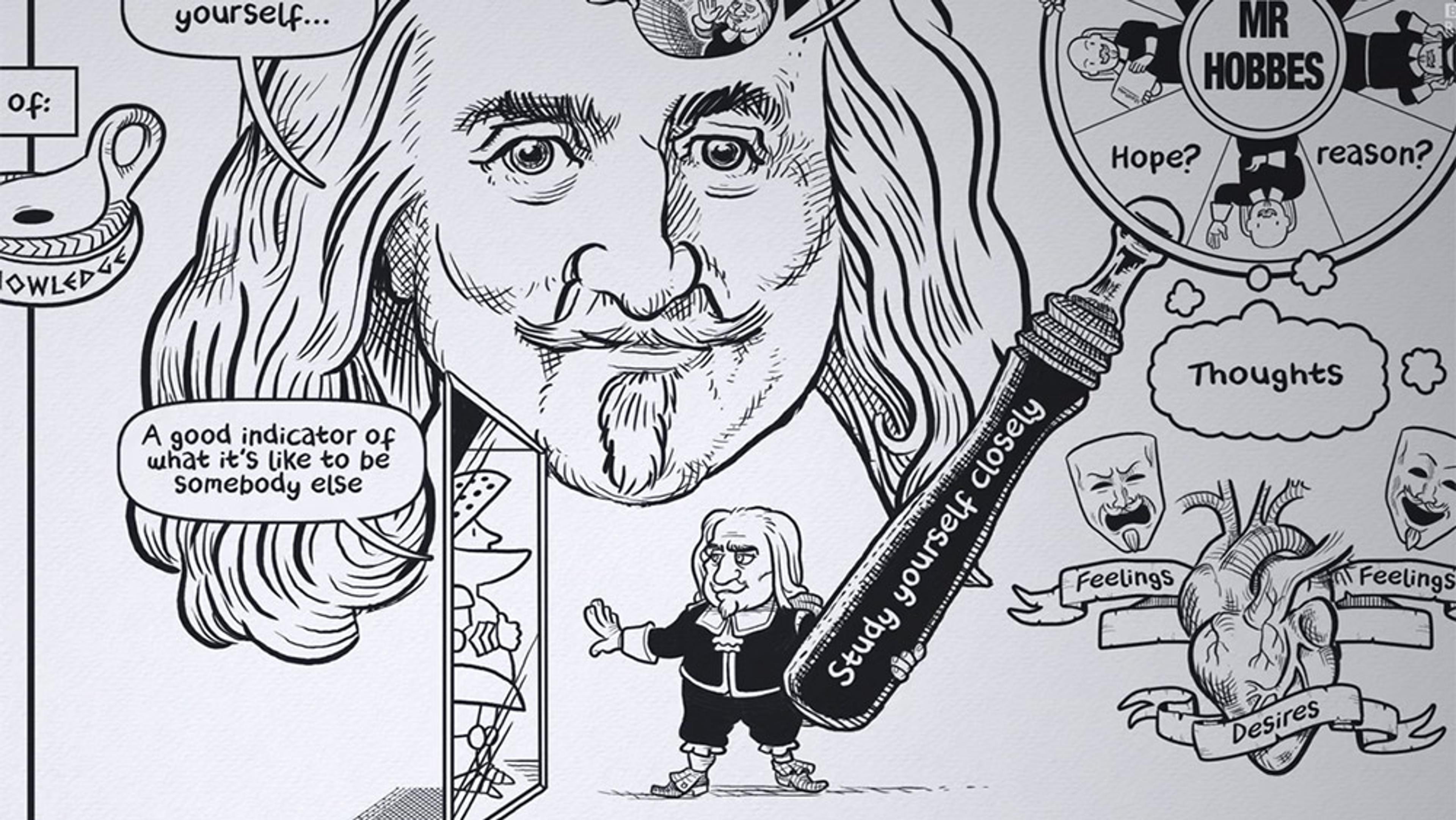
Socrates believed self-knowledge was essential. Today, we wonder if there’s even a self to know
2 minutes
videoPhilosophy of mind
It’s easy to get caught up in constructing our selves, but what does it cost us?
3 minutes
videoVirtues and vices
Why Jean-Jacques Rousseau and Adam Smith were divided on the virtues of vanity
5 minutes
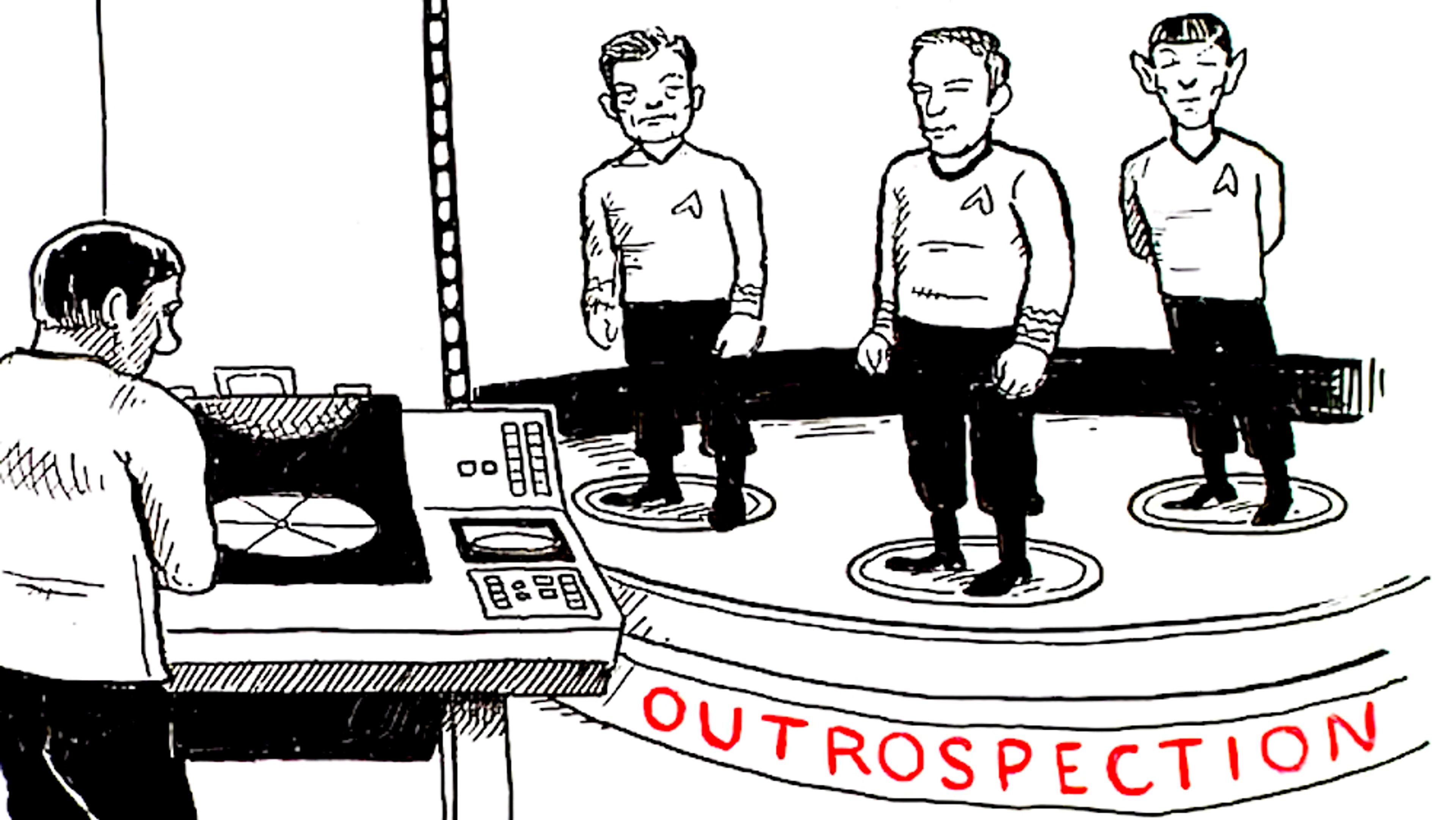
videoPhilosophy of mind
Your body is scanned, destroyed, then reproduced. Do ‘you’ live on the copy?
13 minutes
videoCosmopolitanism
Is the introspection of self-help and therapy hurting our ability to empathise?
10 minutes

videoDeath
Even in modern secular societies, belief in an afterlife persists. Why?
9 minutes
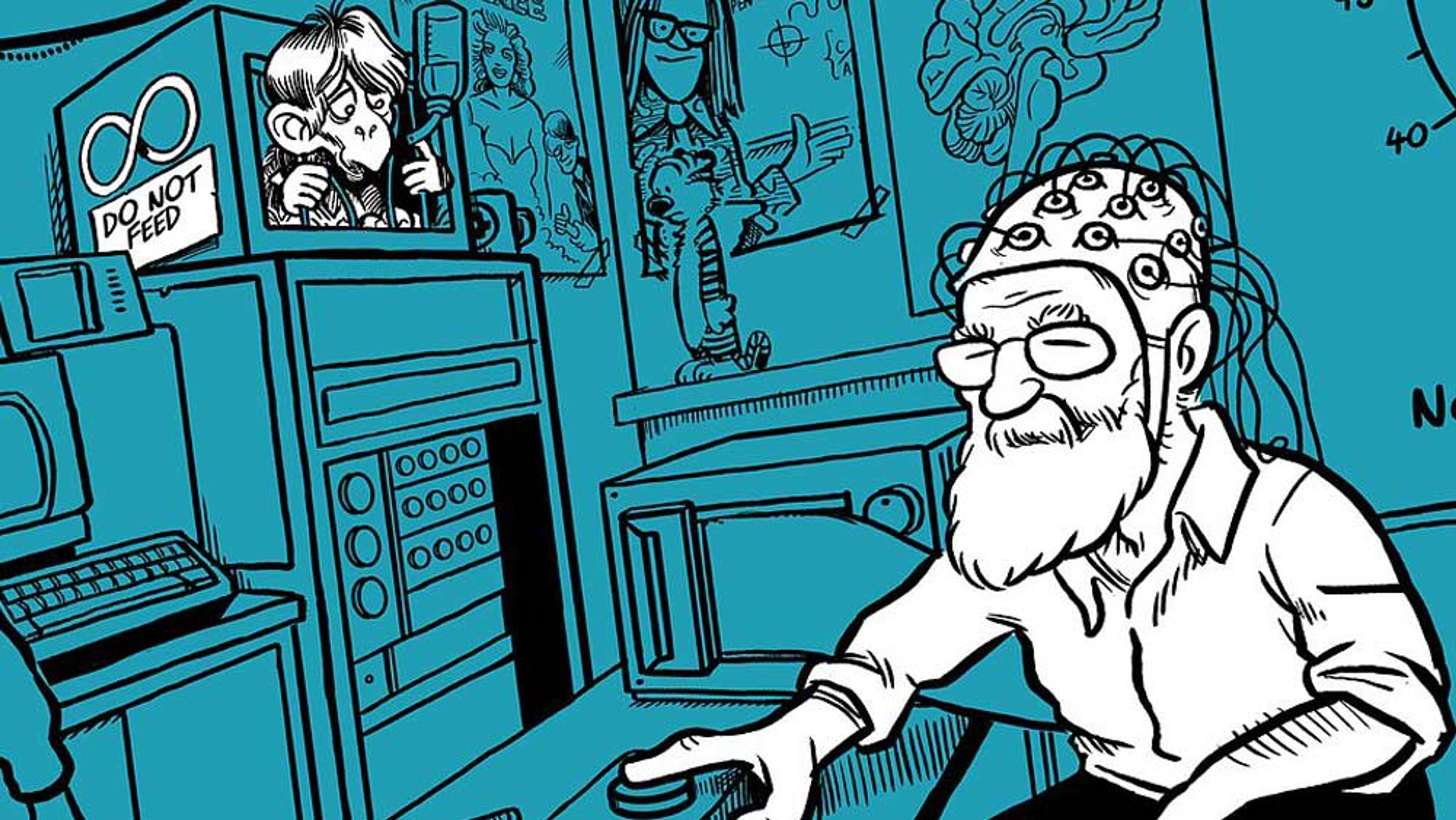
videoPhilosophy of mind
Can we really make conscious decisions, or is agency just a trick of the brain?
2 minutes
videoAutomation and robotics
If we are what we do, how can we stay human in an era of automation?
7 minutes