In his dialogue Gorgias, Plato drafts a fictional conversation between Socrates and a group of pre-Socratic philosophers and teachers known as sophists, who were famed for their mastery of rhetoric. This experimental video essay from Epoché Magazine combines somewhat cryptic archival visuals, a haunting, dissonant score, and text from an exchange between Socrates and the titular Gorgias on the nature of oratory. In particular, Socrates’ interrogations address the powers and perils of rhetoric as a persuasive device, especially if used to convince mass audiences to adopt a ‘belief without knowledge’. Embedded in the exchange is both a clear expression Plato’s anti-democratic sentiment and a critique of the ‘art of oratory’ that still resonates some two millennia later.
‘My art is oratory, Socrates.’ An ancient warning on the power and peril of rhetoric
Video by Epoché Magazine
Editor and composer: John C Brady
videoHistory of ideas
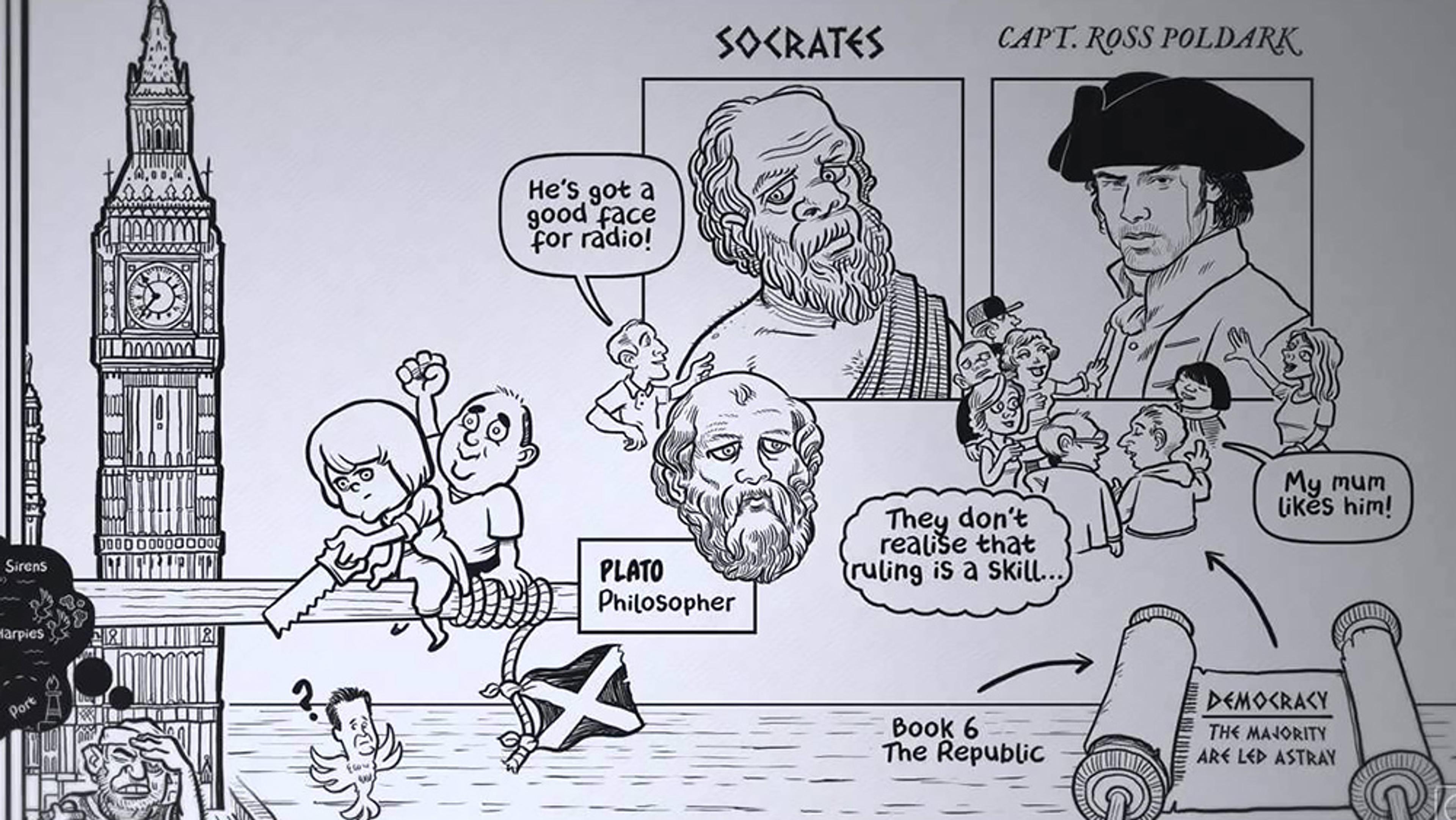
Why Plato believed that philosopher kings – not democracy – should run the state
2 minutes
videoKnowledge
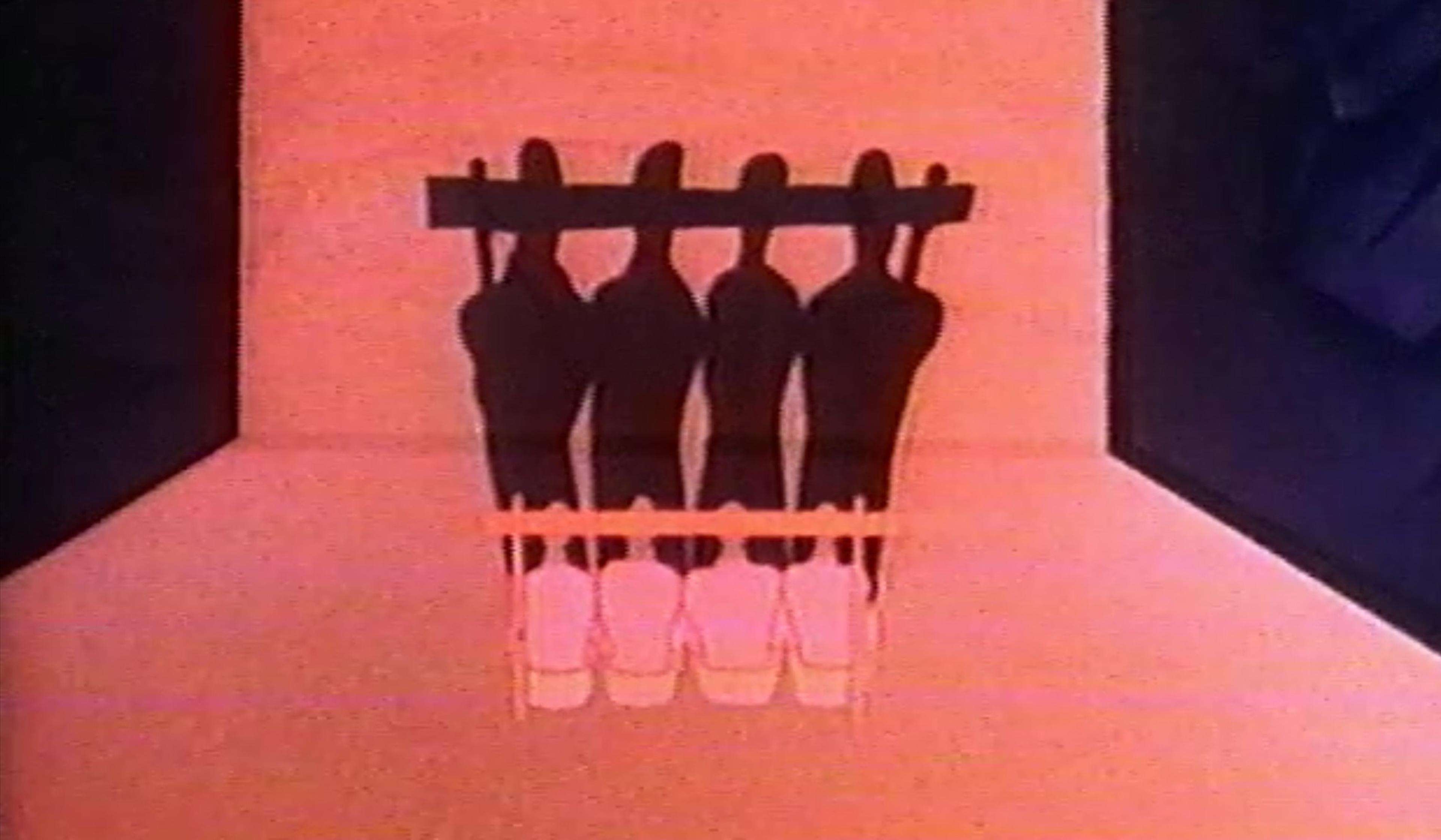
Orson Welles’s psychedelic 1973 adaptation of Plato’s timeless allegory of the cave
9 minutes
videoKnowledge
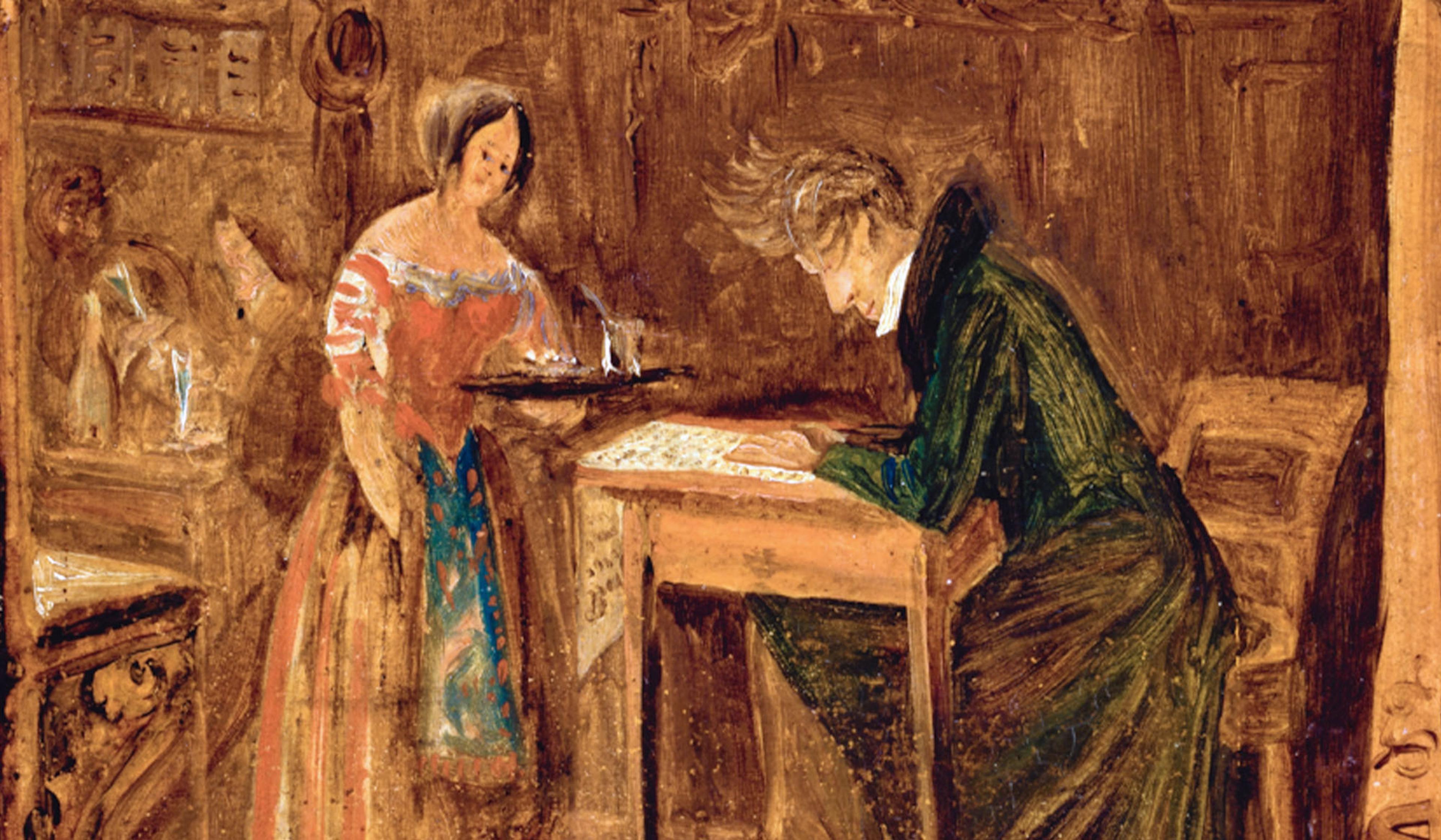
Want to think for yourself? Start with an agonising state of doubt, says Kierkegaard
7 minutes
videoHistory of ideas
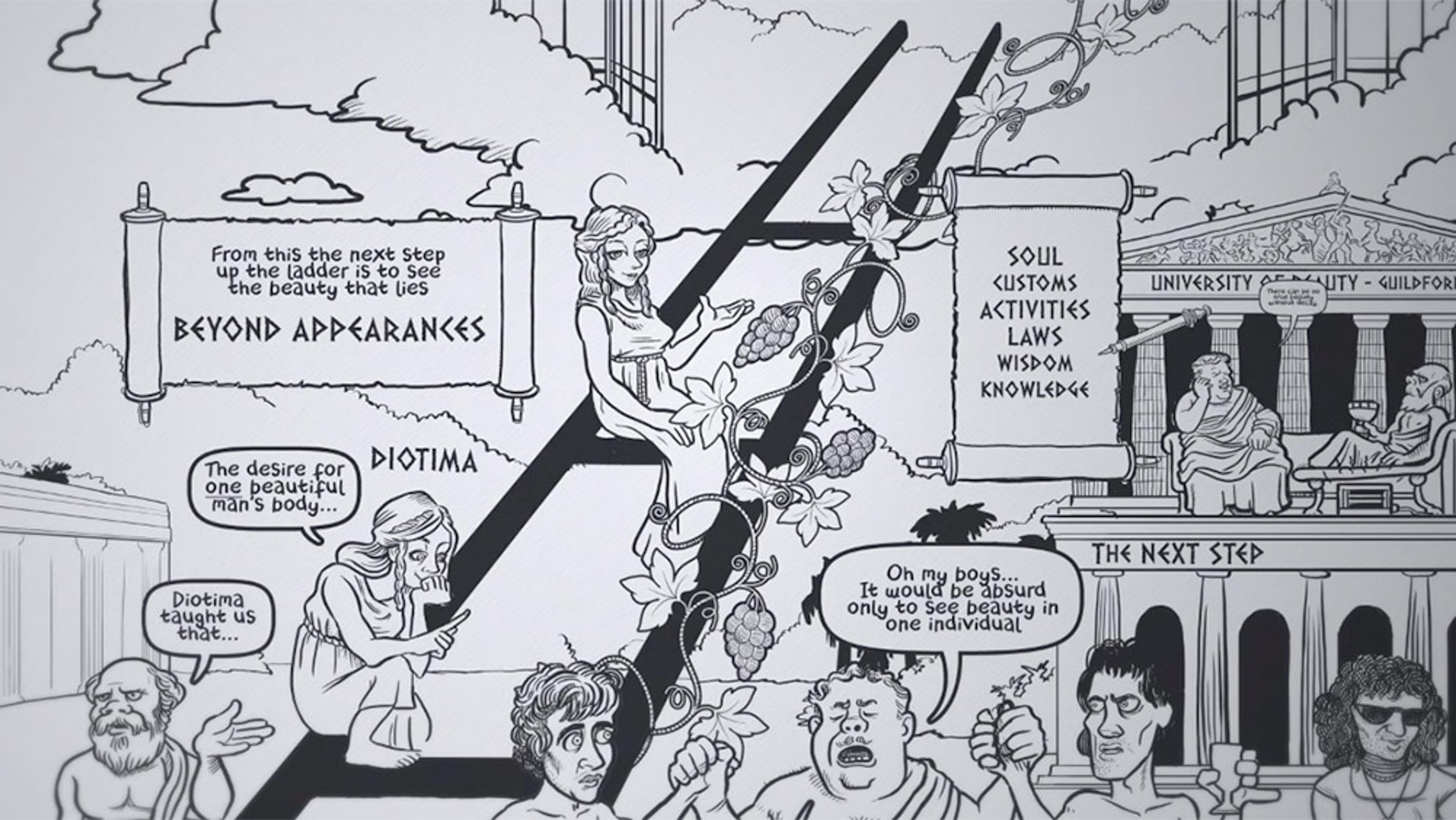
Why Socrates believed that sexual desire is the first step towards righteousness
2 minutes
videoThinkers and theories
Metaphysics and beyond – Martha Nussbaum on Aristotle’s indelible ideas
43 minutes
videoThe ancient world
Not a lost kingdom but a parable – how to read Athens in Plato’s story of Atlantis
24 minutes
videoPolitical philosophy
Is the idea that democracy always benefits society misguided, or just mathematics?
7 minutes
videoBeauty and aesthetics
Can philosophy and morals be transmitted through a painting?
8 minutes
videoHistory of ideas
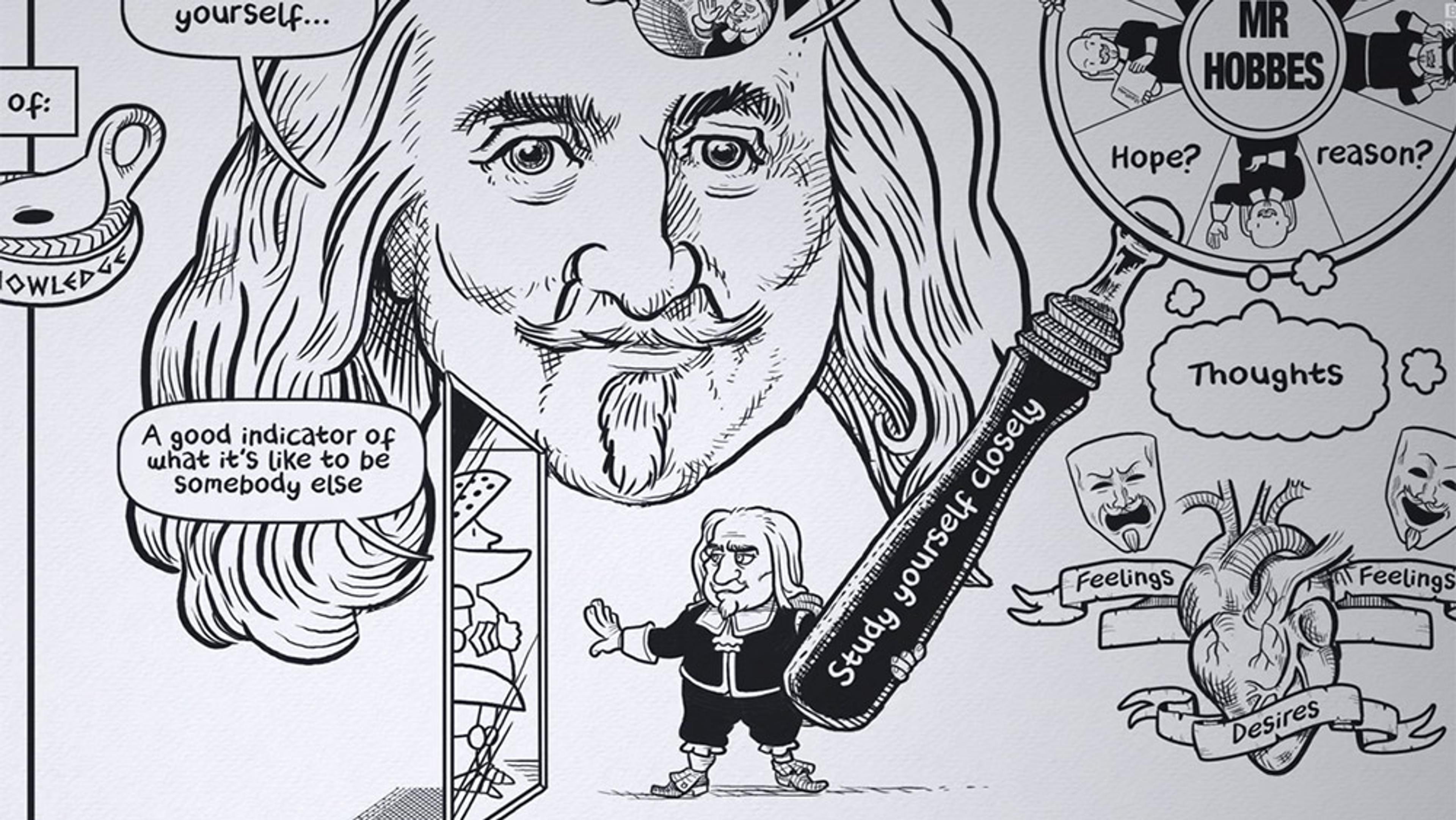
Socrates believed self-knowledge was essential. Today, we wonder if there’s even a self to know
2 minutes