The agricultural revolution that began around 10,000 years ago marks a turning point in human history: the dawn of civilisation. Farming enabled us to build communities and expand, but it also sowed the seeds of modern inequality and wreaked havoc on the environment through the destruction of ecosystems and the extinction of wildlife. Today, farming faces the distinct challenge of feeding a growing global population while working with the environment, and not against it. Practices in countries from Costa Rica to Zambia point to new conservation-oriented approaches to farming that optimise food production; preserve biodiversity and forests; and cut down on harmful emissions. In this TED-Ed animation, colourful graphics paint a picture of what these future farms might look like, showcasing the potential for new technologies to help deliver food security while preserving – and even feeding – the ecosystem.
videoDemography and migration
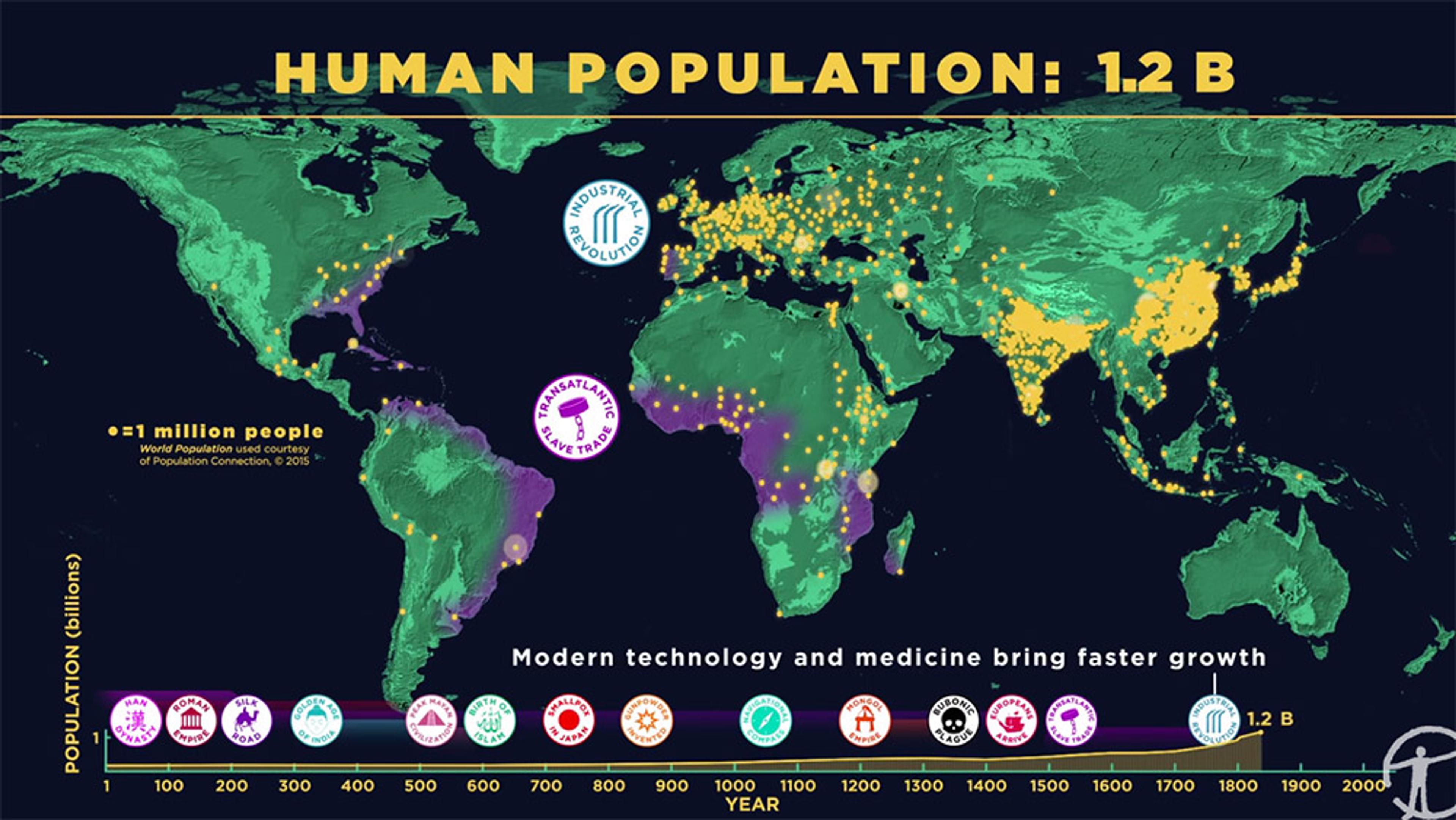
How we became more than 7 billion – humanity’s population explosion, visualised
6 minutes
videoBiology
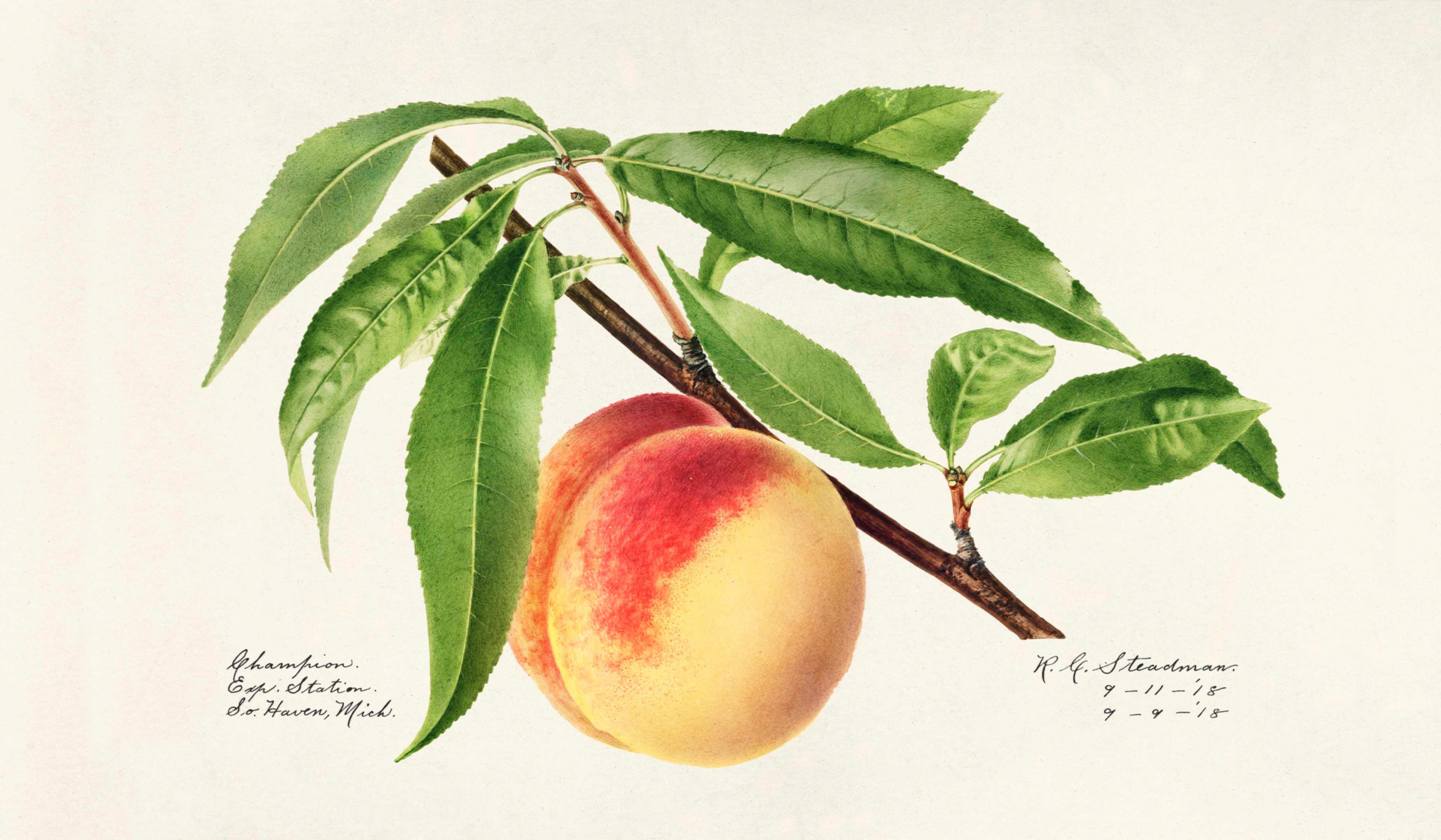
In 1886, a US agency set out to record new fruit varieties. The results are wondrous
5 minutes
videoEarth science and climate
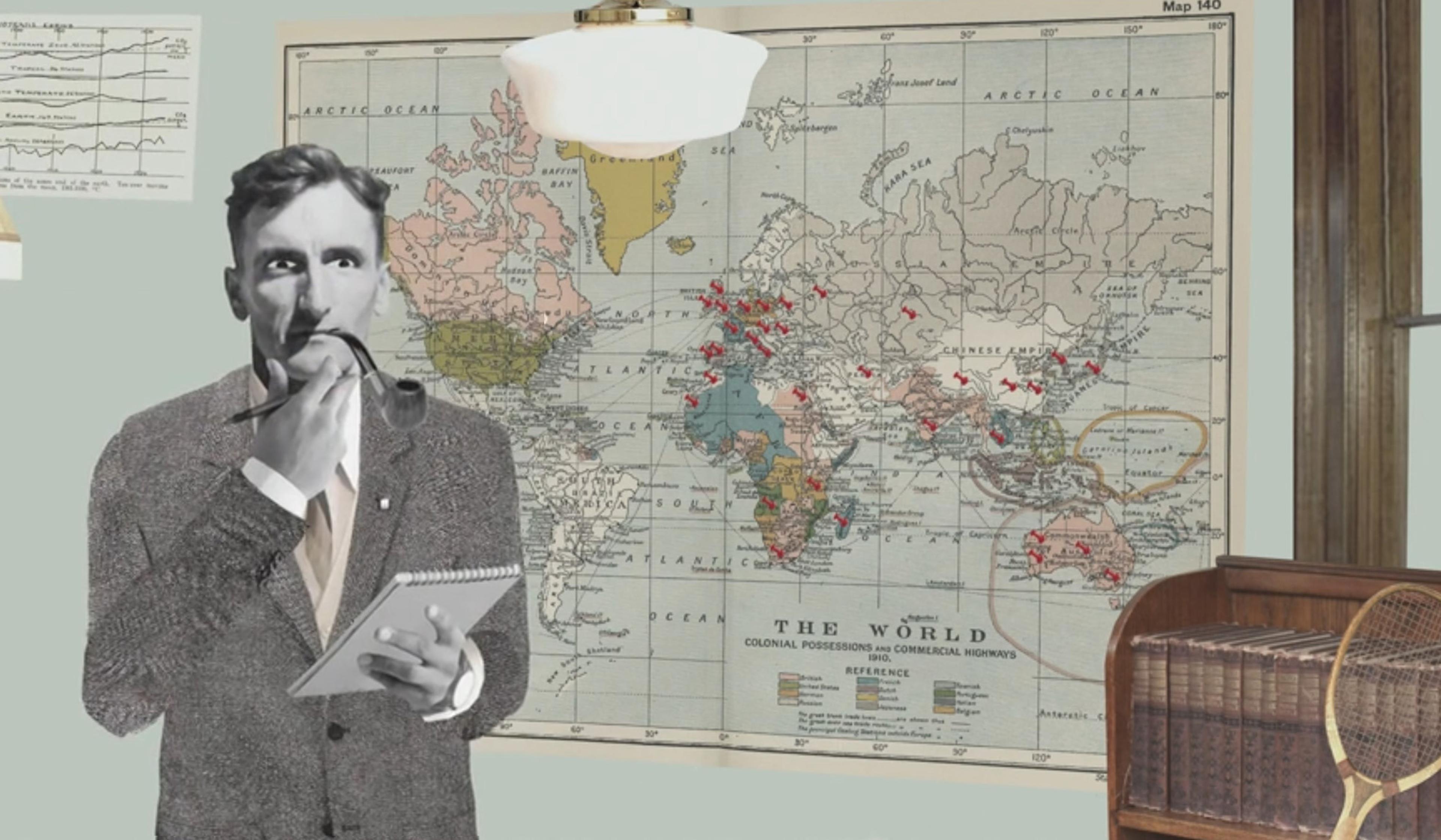
Climate change science is centuries, not decades old, and it was pioneered by a woman
5 minutes
videoEvolution
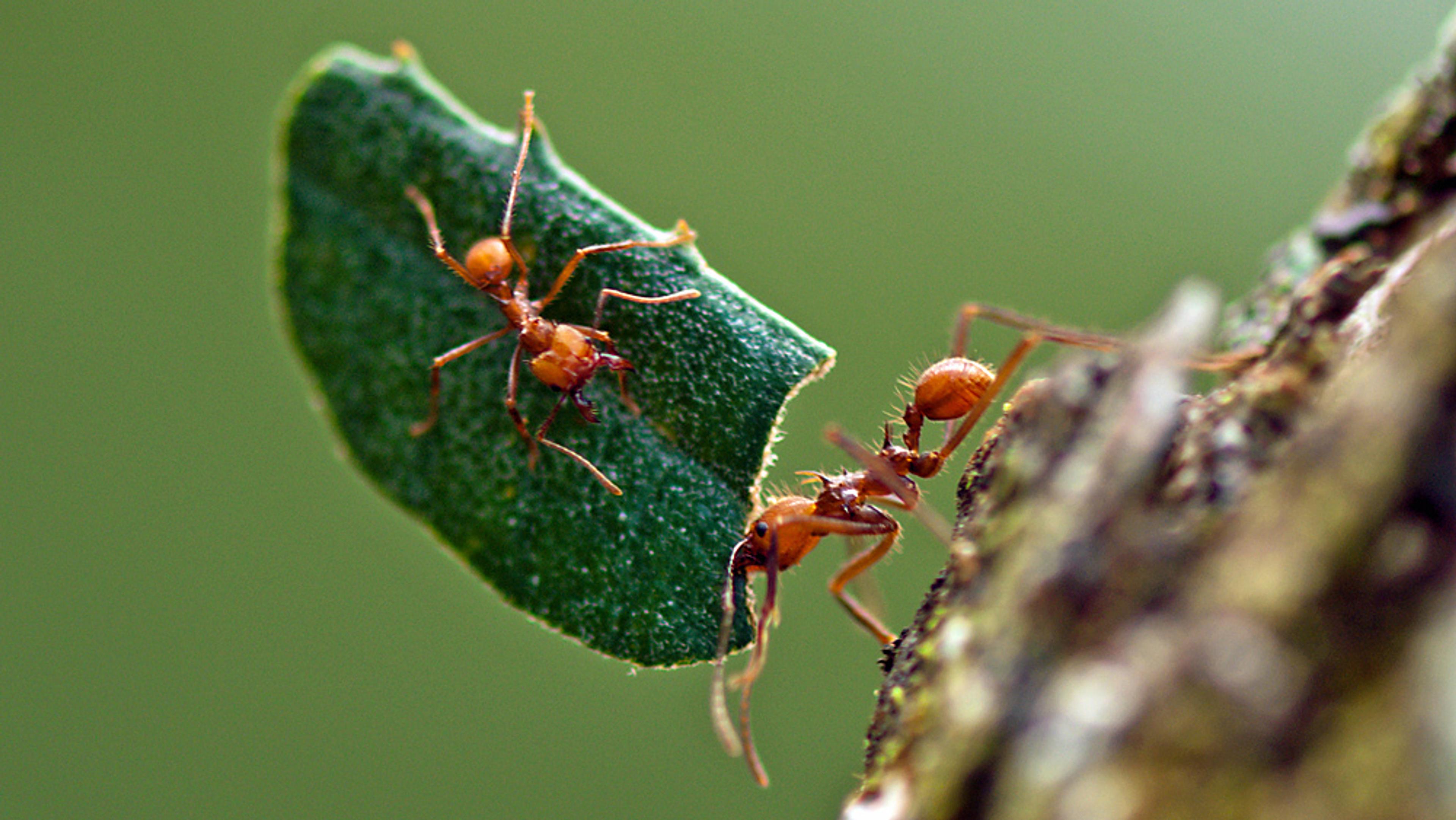
Think agriculture is unique to us? Leafcutter ants are phenomenal fungus farmers
4 minutes

videoDemography and migration
Is the ‘population bomb’ real? The statistician Hans Rosling says ‘Don’t panic’
59 minutes
videoHuman evolution
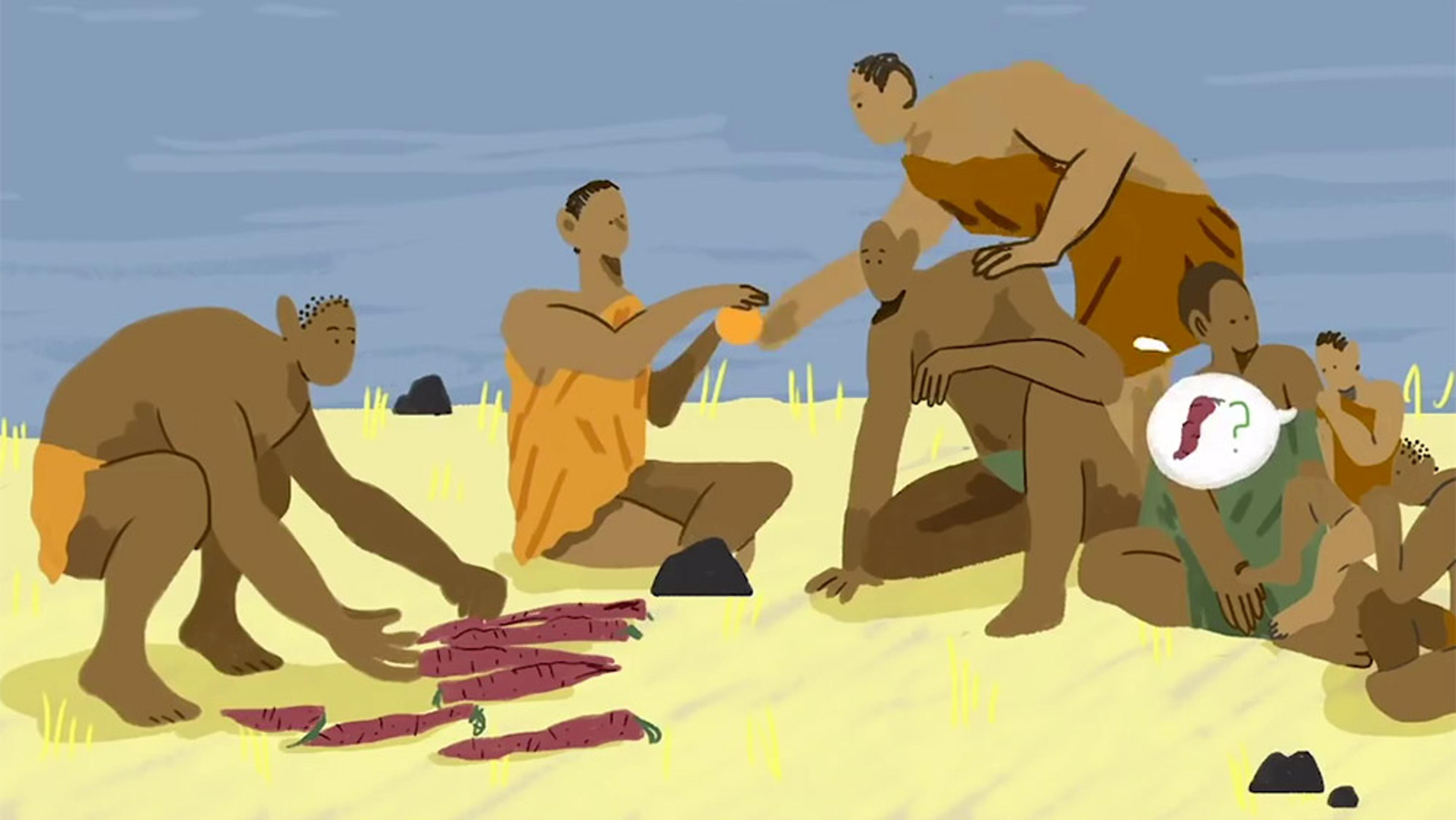
Could grandmotherly love help to explain how we became human?
3 minutes
videoBioethics
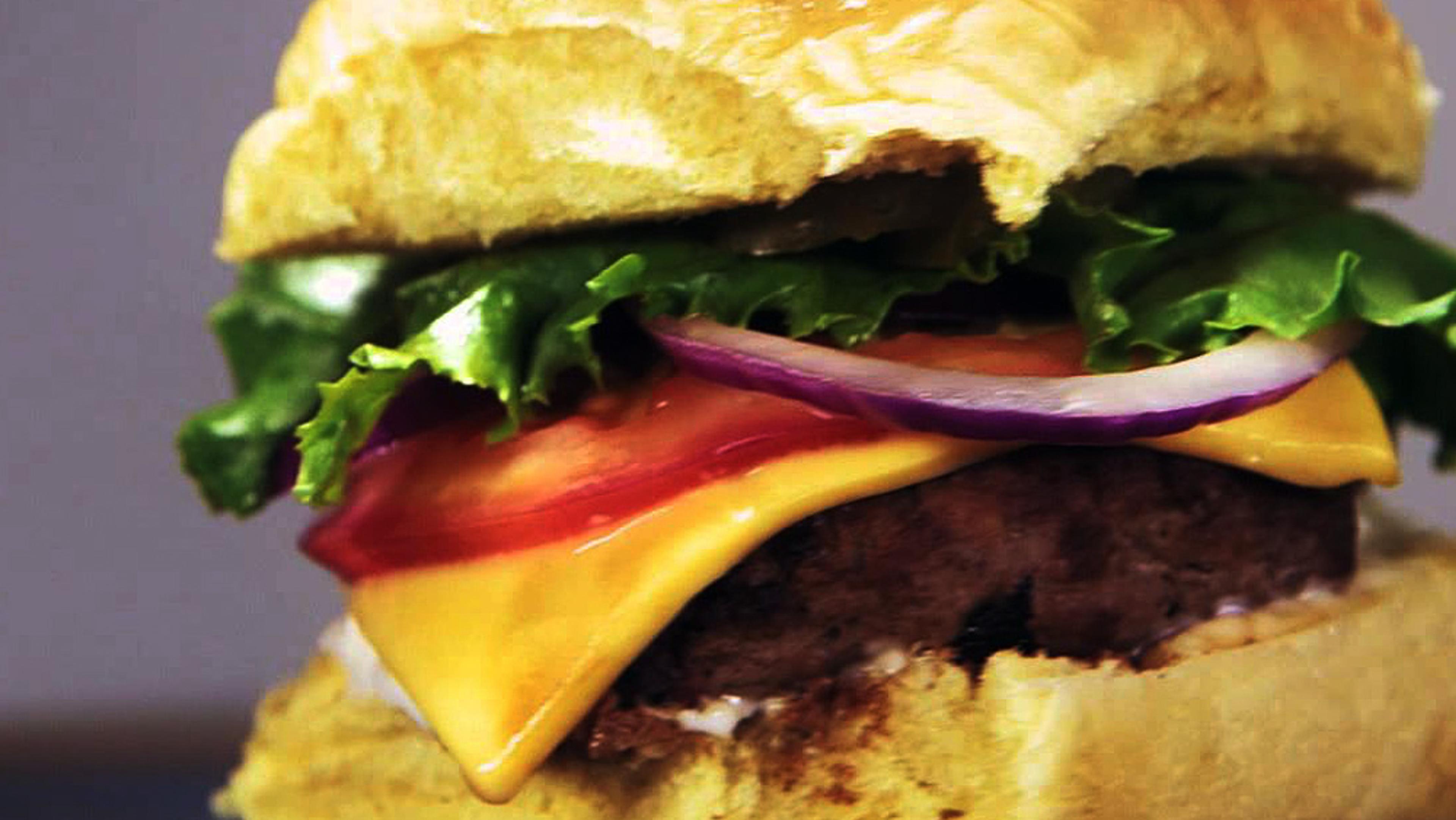
Why finding creative ways to end our reliance on meat may be a moral imperative
3 minutes

videoComputing and artificial intelligence
Civilisation peaked in 1940 and will collapse by 2040: the data-based predictions of 1973
11 minutes
videoFood and drink
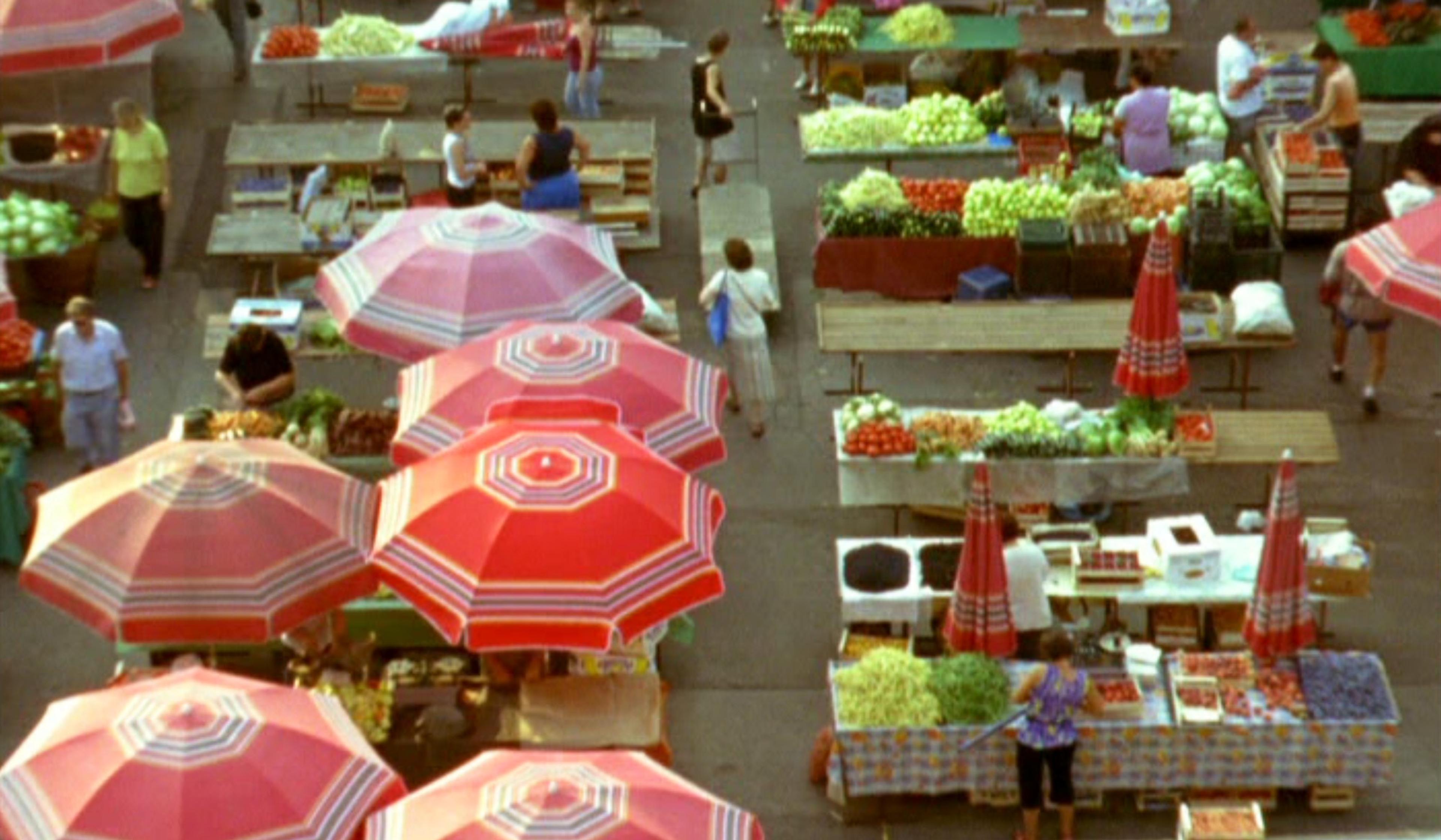
From set-up to close, a day at the farmers market is a whirlwind sensory feast
10 minutes