The lost-wax technique (also known as lost-wax casting or cire-perdue in French) is an ancient sculpture-duplication process that dates back some six millennia. The technique is incredibly intricate and sophisticated, involving plastering, molding, detailing and casting, before the mold is smashed and the hollow, and therefore much lighter-weight, metal replica is revealed. This video from the Israeli animators Renana Aldor and Kobi Vogman combines stop-motion and 2D animation to demonstrate the ancient casting process using a bust of the Roman emperor Hadrian, who ruled in 117–138 CE.
The intricate, ancient bronze-casting process that ends with a satisfying crunch
Directors: Renana Aldor, Kobi Vogman
Website: The Israel Museum
18 January 2018
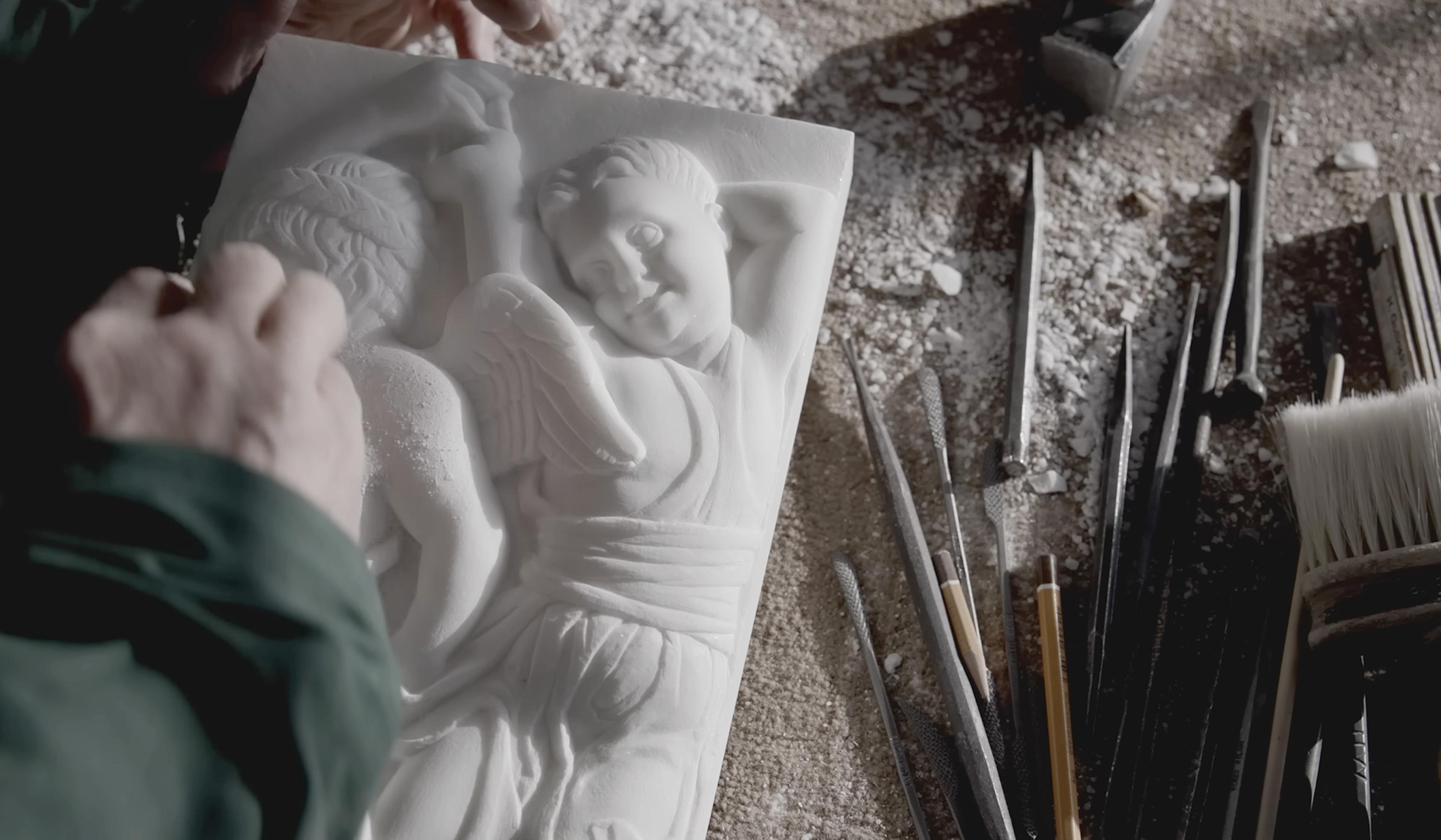
videoArt
From a pencil sketch to cherubs dancing in stone – recreating a Donatello work
7 minutes
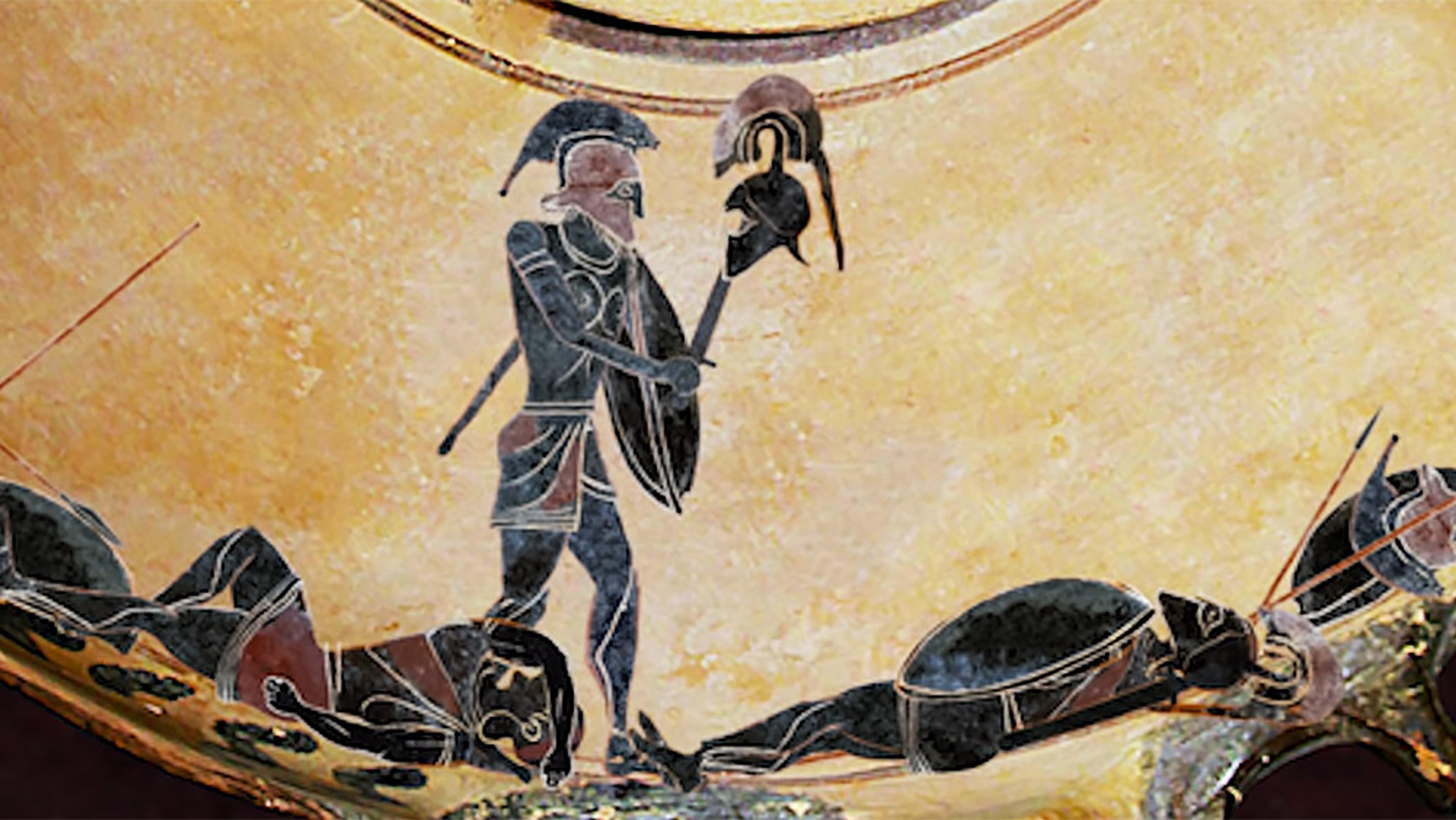
videoArchaeology
Frozen for millennia, an ancient Greek soldier is freed to charge into battle once again
8 minutes
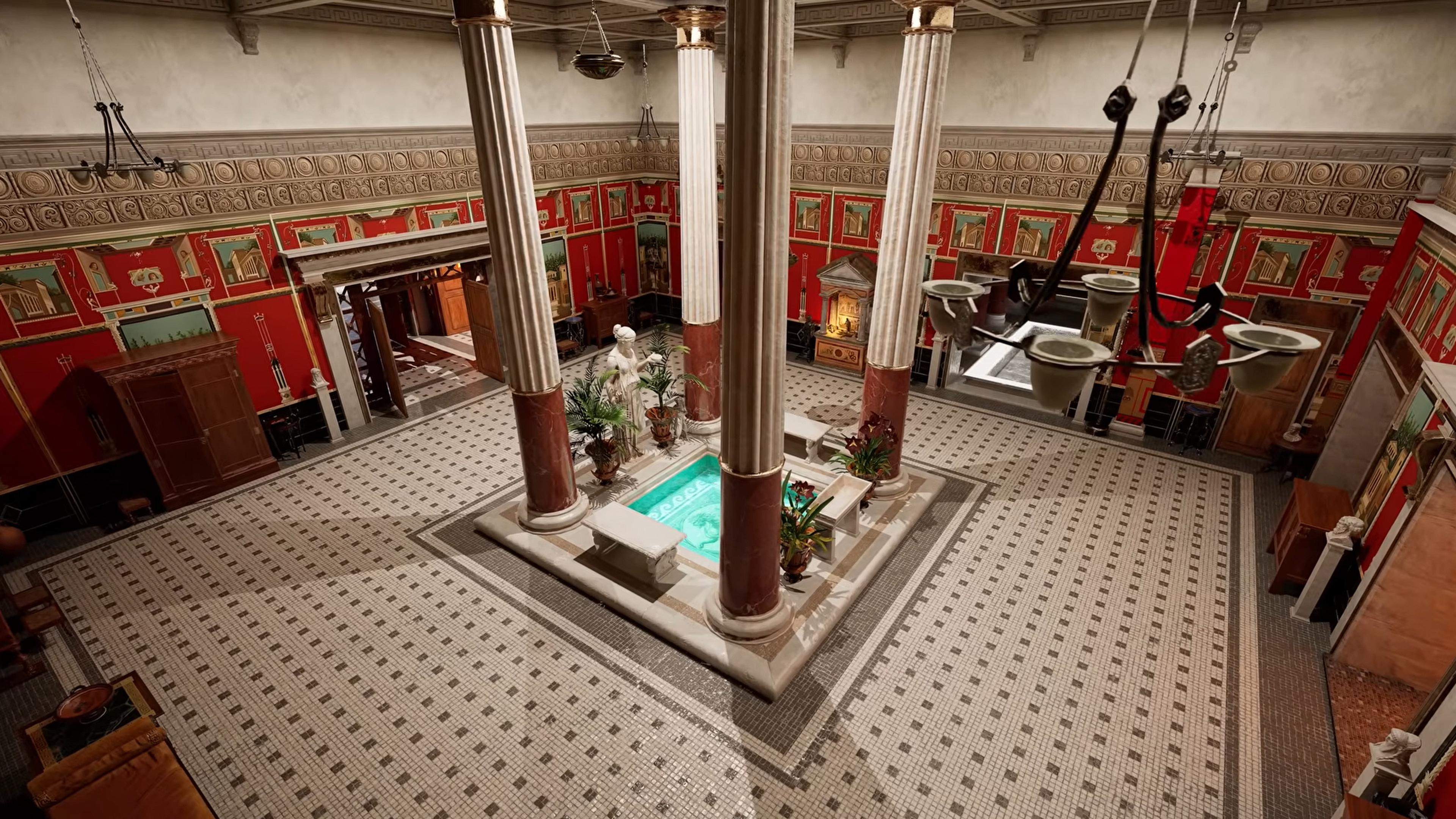
videoThe ancient world
A tour of Pompeii as it was just before its destruction
14 minutes
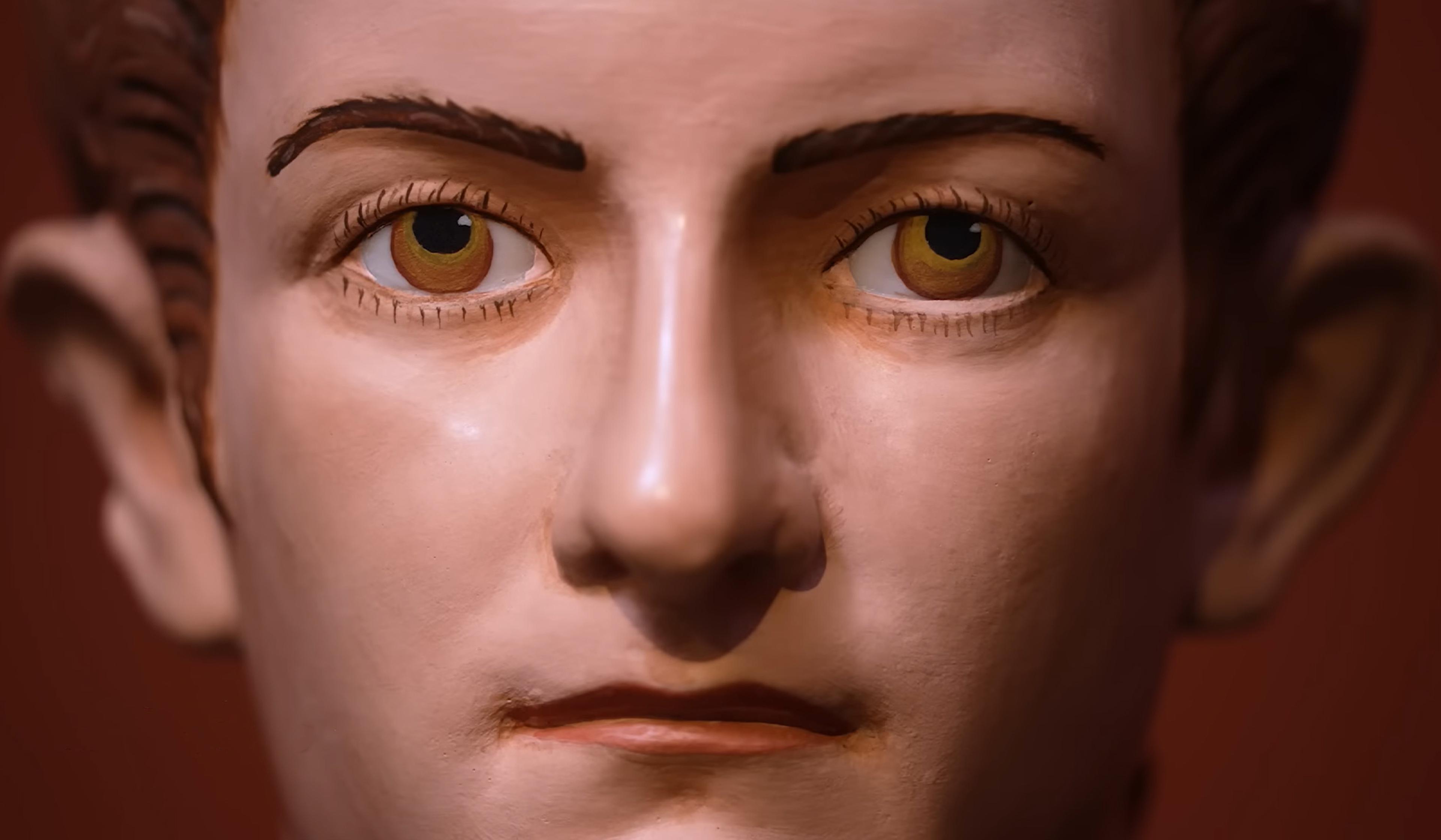
videoArchaeology
Ancient Greek sculptures were colourful. Why does the white marble ideal persist?
6 minutes
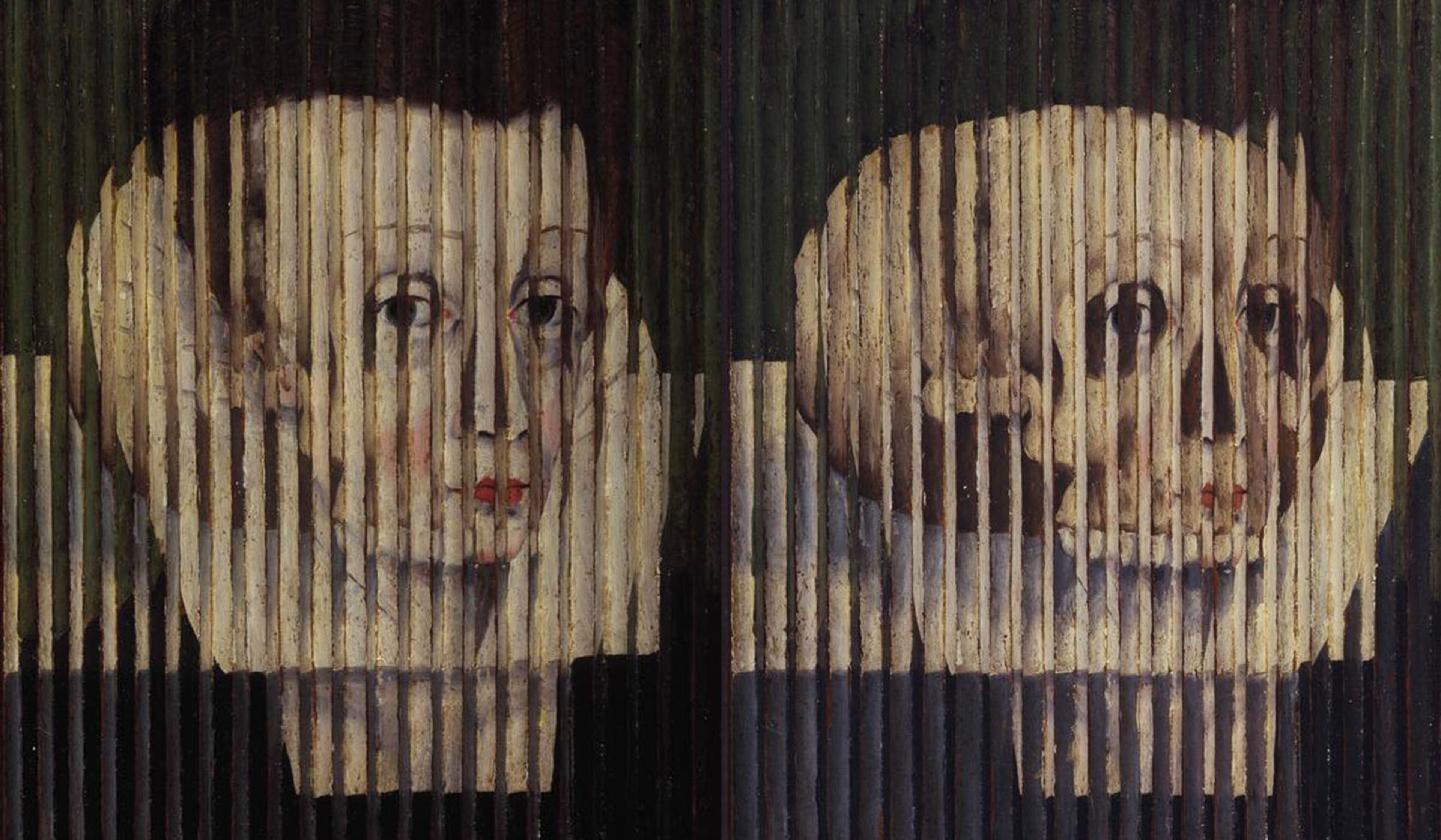
videoArt
The Renaissance art illusion that proved everything is a matter of perspective
14 minutes
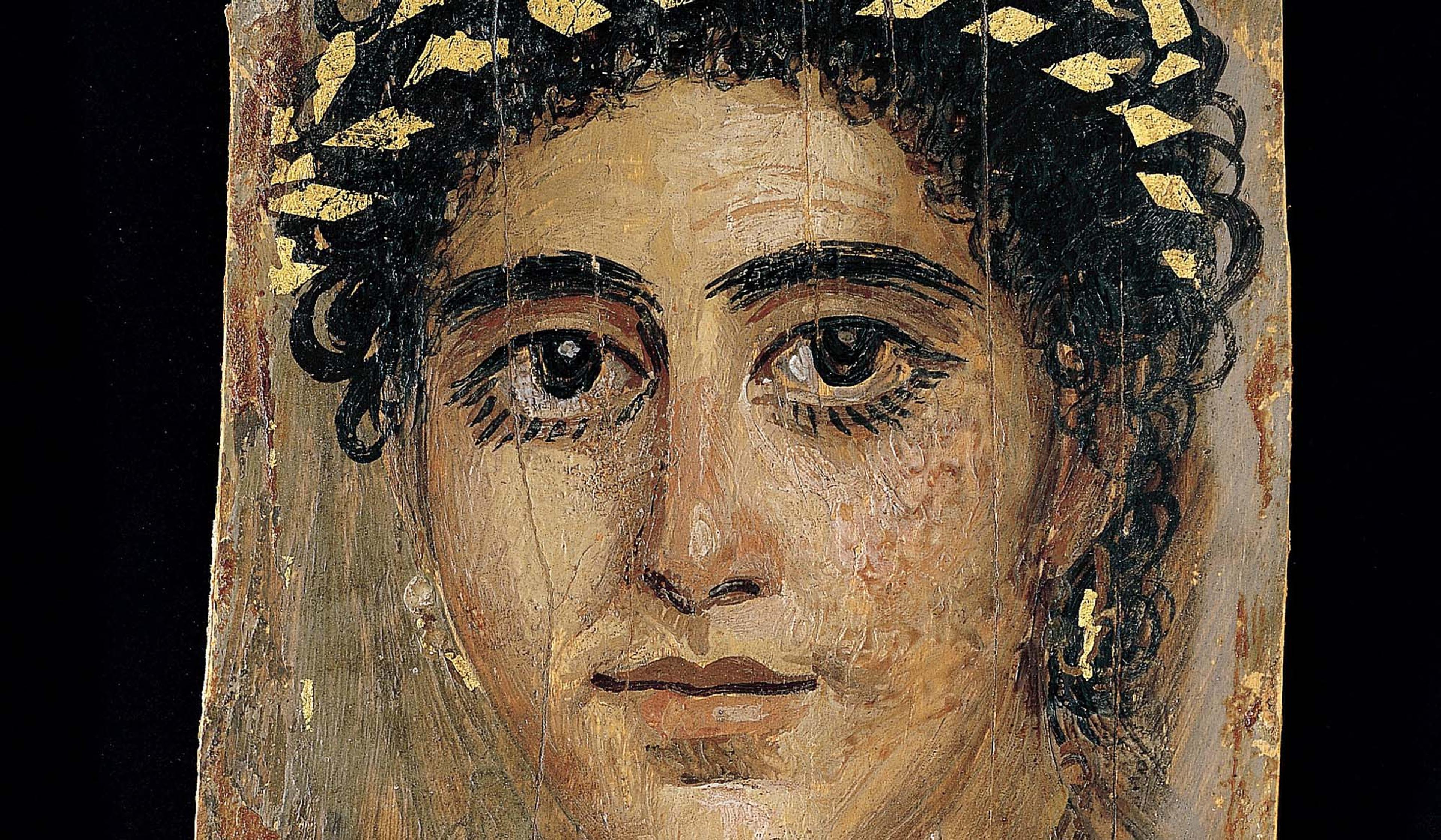
videoThe ancient world
Haunting dispatches from the edge of the Roman Empire, just before its collapse
15 minutes
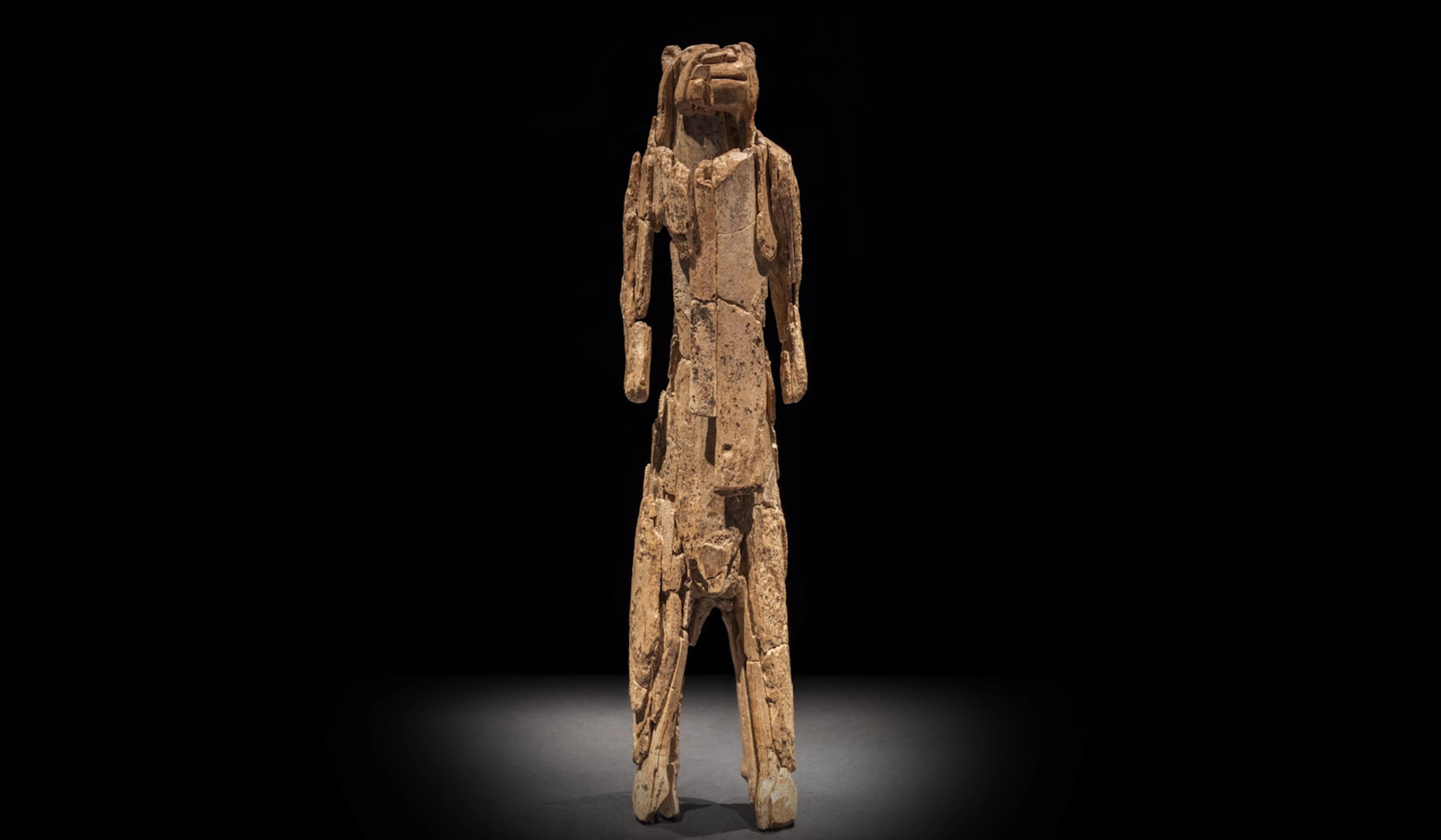
videoAnthropology
Although his story is a mystery, the Lion Man forever binds us to our prehistoric past
2 minutes
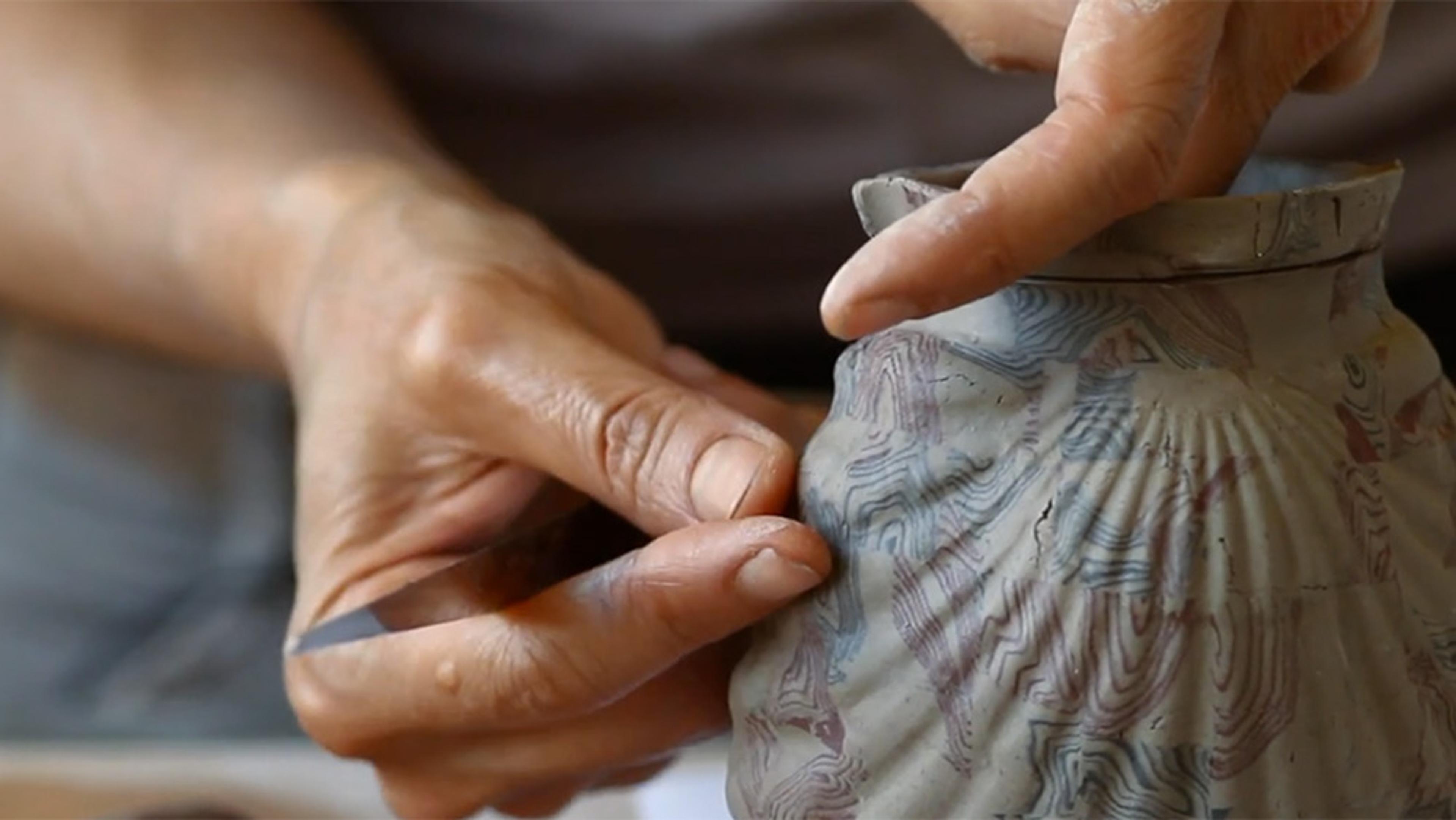
videoDesign and fashion
How do you bring an 18th-century ceramic teapot to life? An artist puzzles it out
7 minutes

videoAnimals and humans
There’s a gentle artistry to a museum taxidermist’s craft
8 minutes