Temperance was one of the four virtues identified by Plato’s Republic as essential to an ideal state – a framework that was later adapted by Catholicism and Thomas Aquinas. Meanwhile, one of the five articles of faith of the Sikh religion is the kacchera – a drawstring undergarment meant to guard its wearer against lust. Indeed, almost every major religious or philosophical tradition heavily emphasises the value of self-restraint as a pathway to a virtuous and satisfying life. It makes sense that impulse-control has been held in such high regard historically: the ability to curb destructive urges and prudently delay gratification makes life easier in the long run. So what does modern brain science tell us about the best ways to approach willpower? This Aeon Video original mines the work of the US neuroscientist David Eagleman and the US psychologist Walter Mischel (known for his controversial ‘marshmallow test’) to explore what modern psychology and brain science say about the best strategies for resisting those feel-good things – big and small – that we know are bad for us.
Why preparation, not willpower, is the key to mastering self-restraint
Director and Writer: Adam D’Arpino
Producers: Adam D’Arpino, Kellen Quinn
Research Assistant: Tamur Qutab
Narrator: Ashley Klanac
videoEthics
For Iris Murdoch, selfishness is a fault that can be solved by reframing the world
6 minutes
videoPhilosophy of mind
We may never settle the ‘free will’ debate, but tapping into it is still worthwhile
32 minutes
videoMood and emotion
Reason might be our puppet master but only after emotions tug on the strings
3 minutes
videoPleasure and pain
A happy life is built on pleasures such as sex and food, but also company and variety
7 minutes
videoPleasure and pain
Great news: pleasure is the purpose of life. Bad news: moderation is key
6 minutes
videoSocial psychology
Don’t misread Darwin: for humans, ‘survival of the fittest’ means being sympathetic
5 minutes
videoPhilosophy of mind
Do we have good reasons to believe in beliefs? A radical philosophy of mind says no
5 minutes
videoHistory of ideas
Socrates believed self-knowledge was essential. Today, we wonder if there’s even a self to know
2 minutes
videoCosmopolitanism
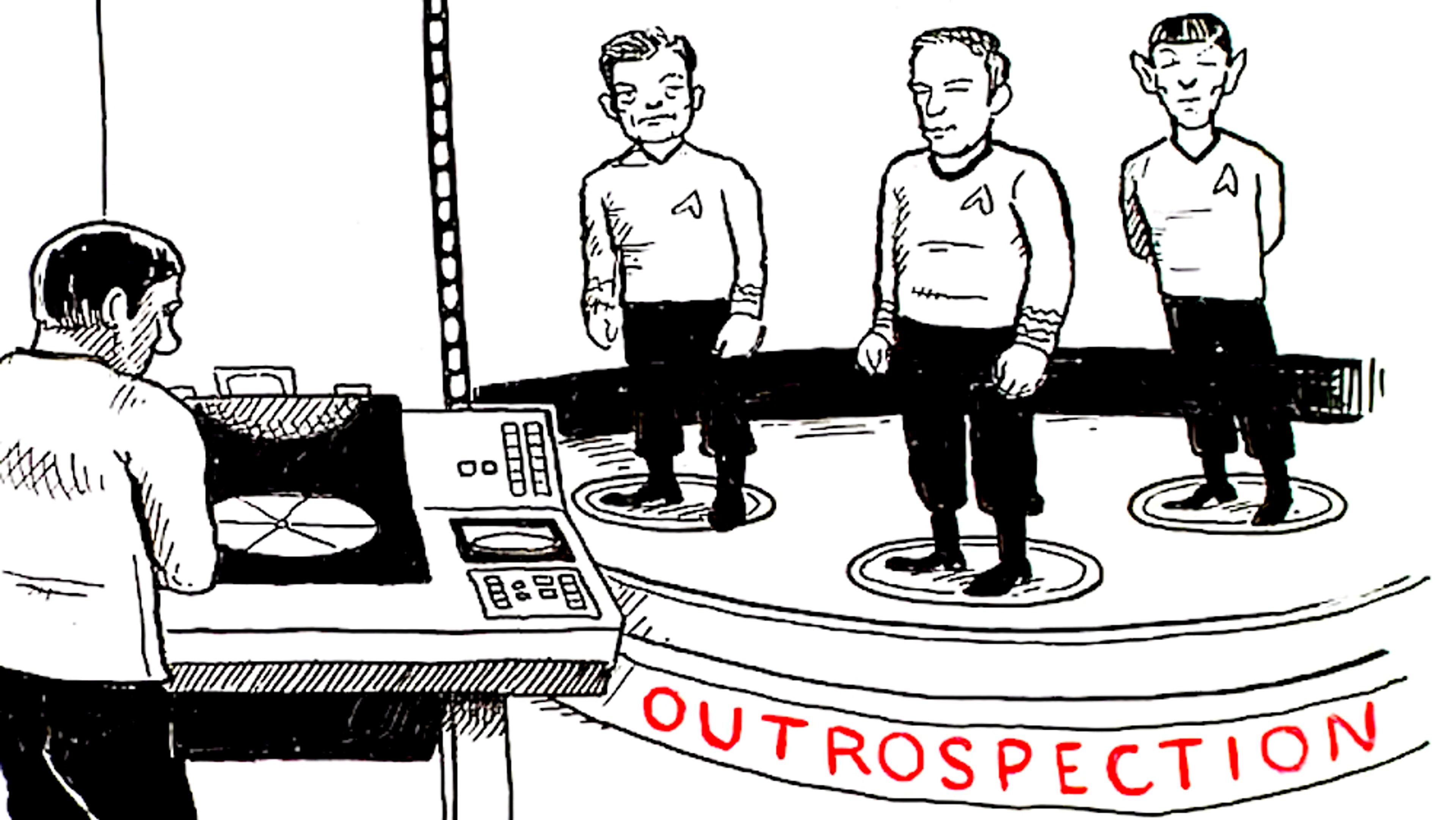
Is the introspection of self-help and therapy hurting our ability to empathise?
10 minutes