In the 17th and 18th centuries, many European aristocrats were captivated by the luxury goods being imported from China, which they assigned an aura of exotic mystery. Eventually, European artists, architects and designers began taking inspiration from Eastern aesthetics, like the distinctive blue and white colouration and elegant designs of Chinese porcelain. But as so few Europeans had firsthand knowledge of China, what emerged, per this video essay from the YouTube channel Kings and Things, was ‘a European dream of a distant and wondrous place’. This style, which integrated Chinese motifs and European Rococo exuberance, came to be known as Chinoiserie. Taking viewers on a tour through some of Europe’s most notable Chinoiserie structures, most of which served as pleasure palaces for their wealthy builders, the video provides a fascinating look at this moment in European architectural history.
Tour the European architecture that dreamed of a wondrous, fictitious China
Video by Kings and Things
videoArt
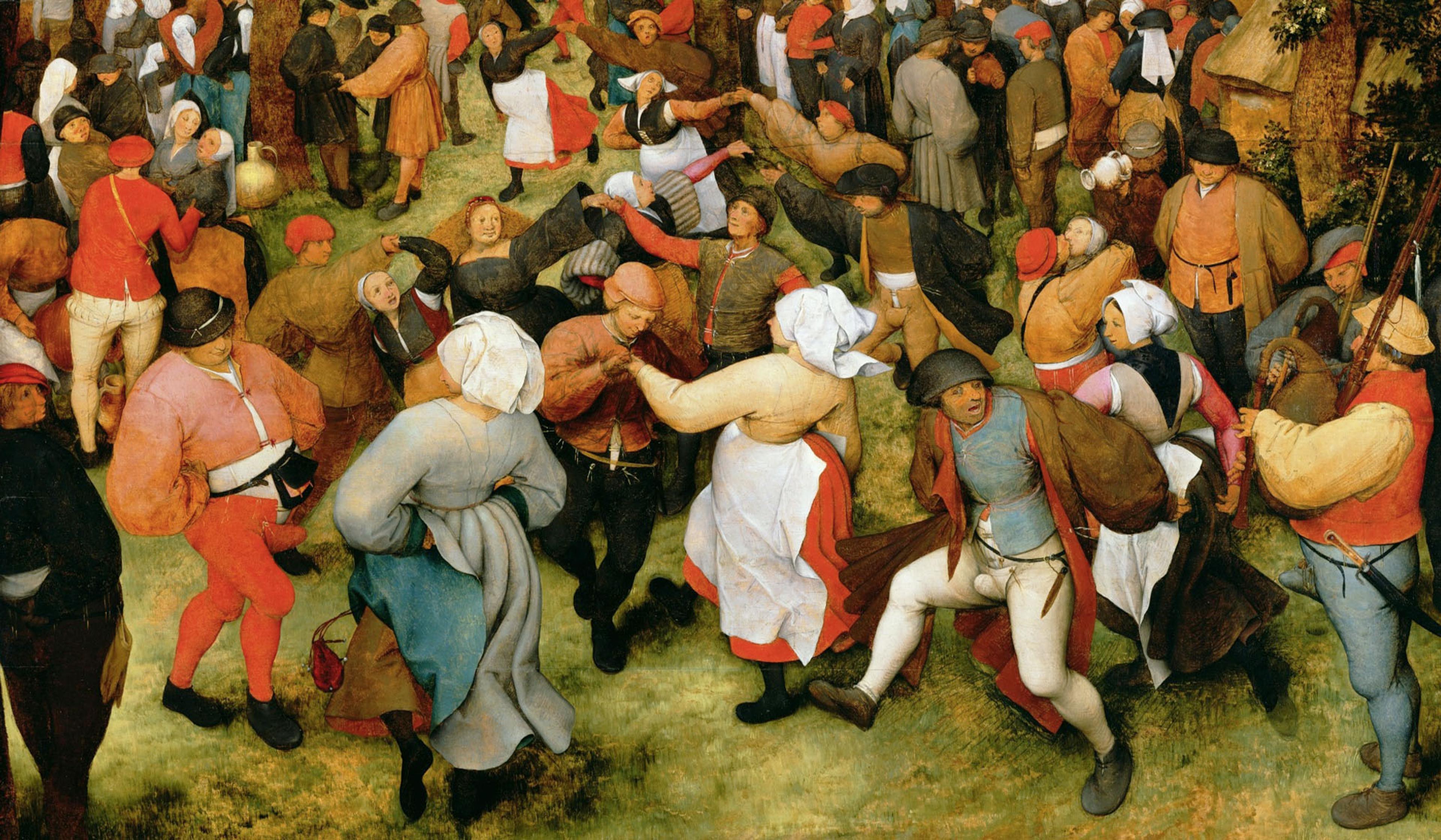
Why European artists shifted their focus from power to peasants in the 16th century
5 minutes
videoArchaeology
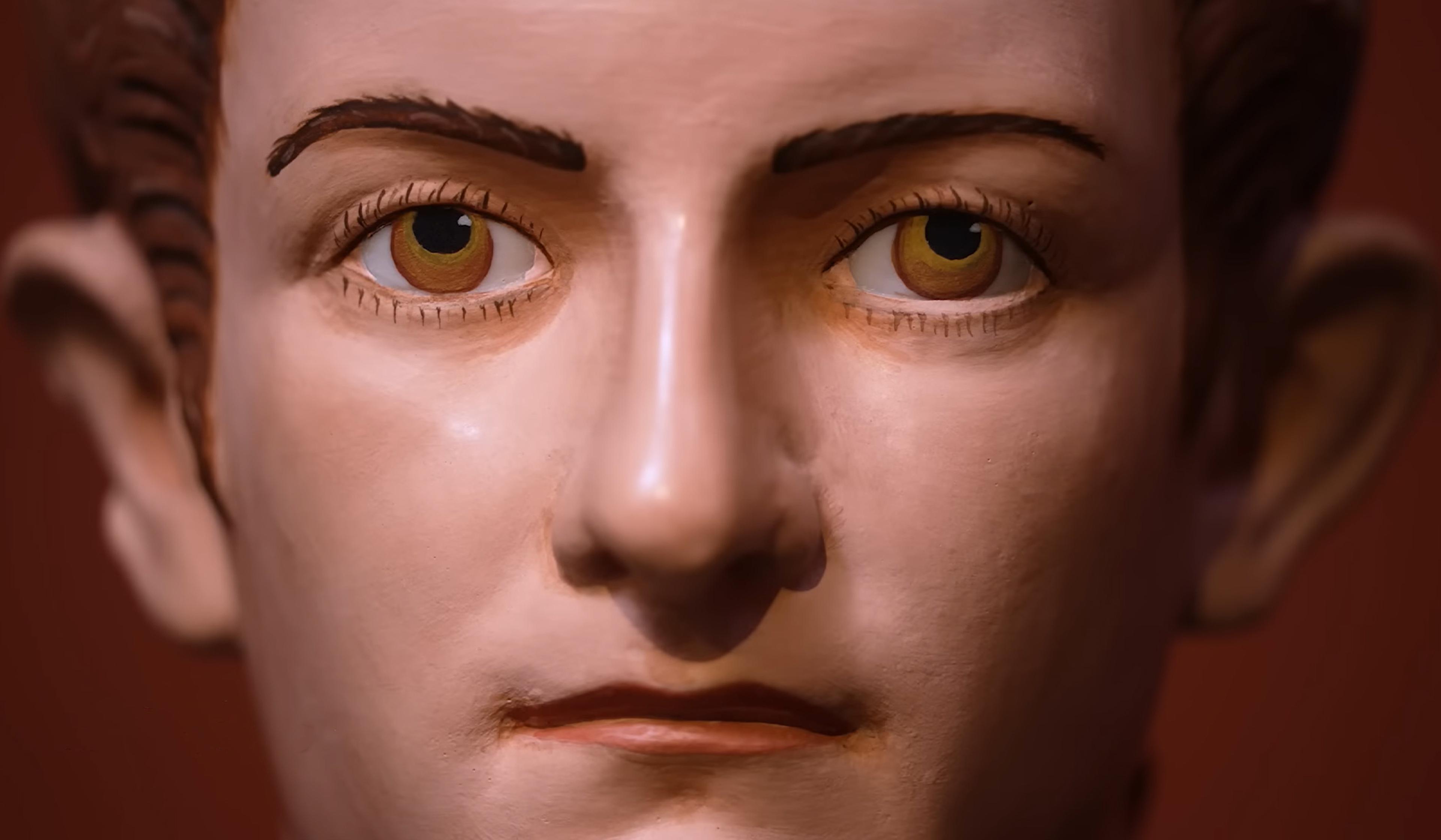
Ancient Greek sculptures were colourful. Why does the white marble ideal persist?
6 minutes
videoHistory of technology
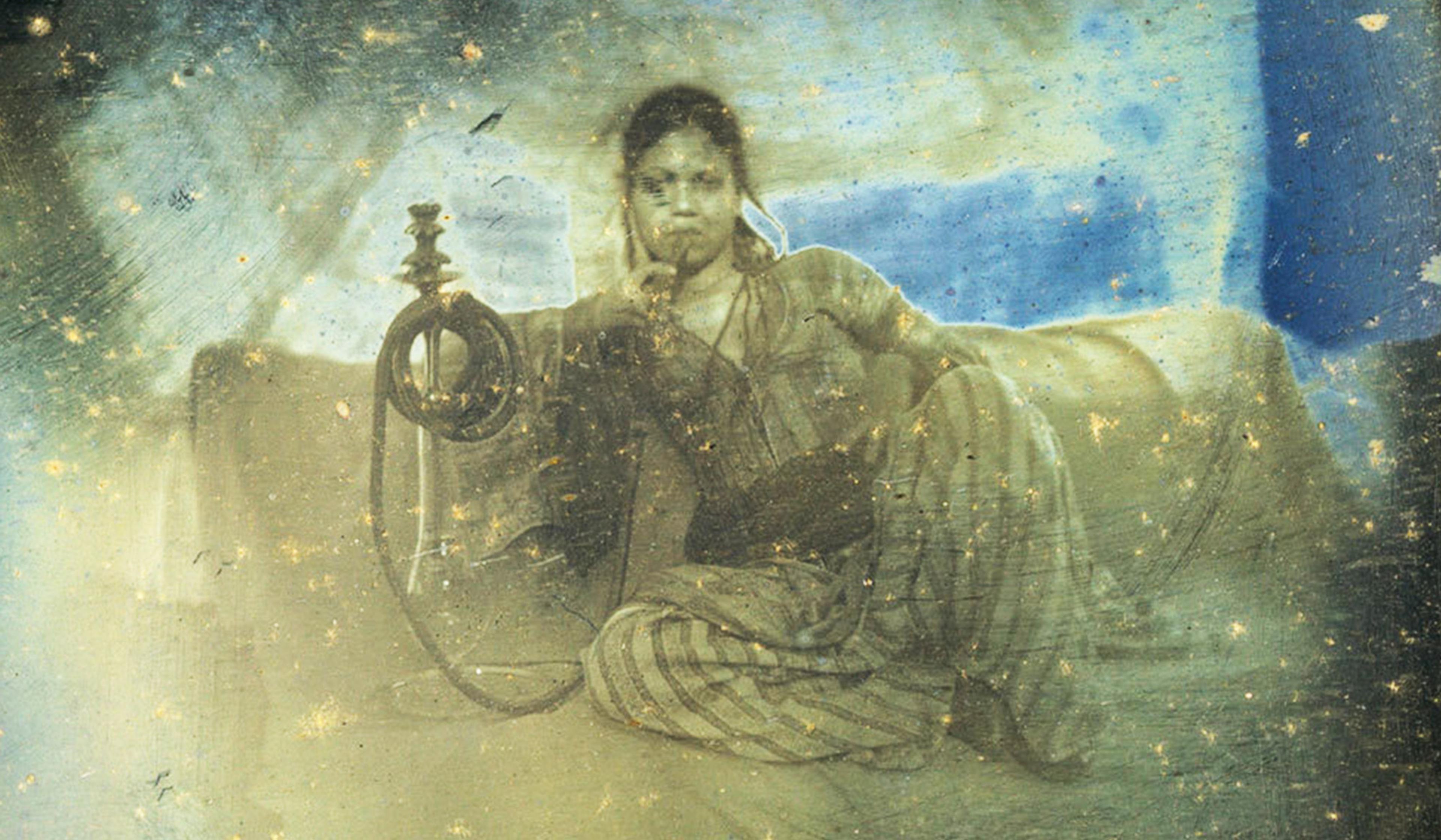
See the Mediterranean as it was captured in some of the earliest surviving photographs
20 minutes
videoArchitecture
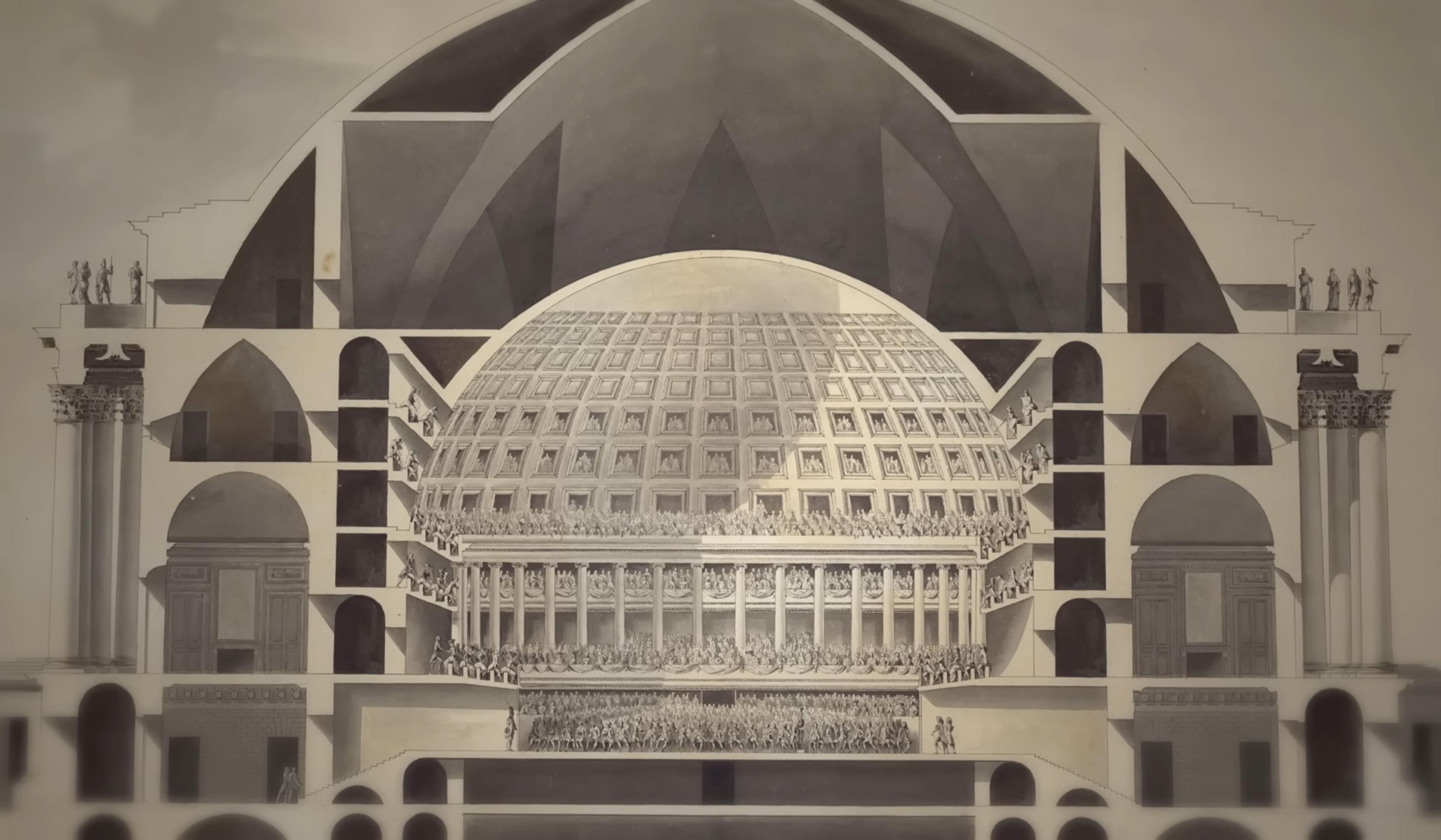
The radically impractical 18th-century architect whose ideas on beauty endure
19 minutes
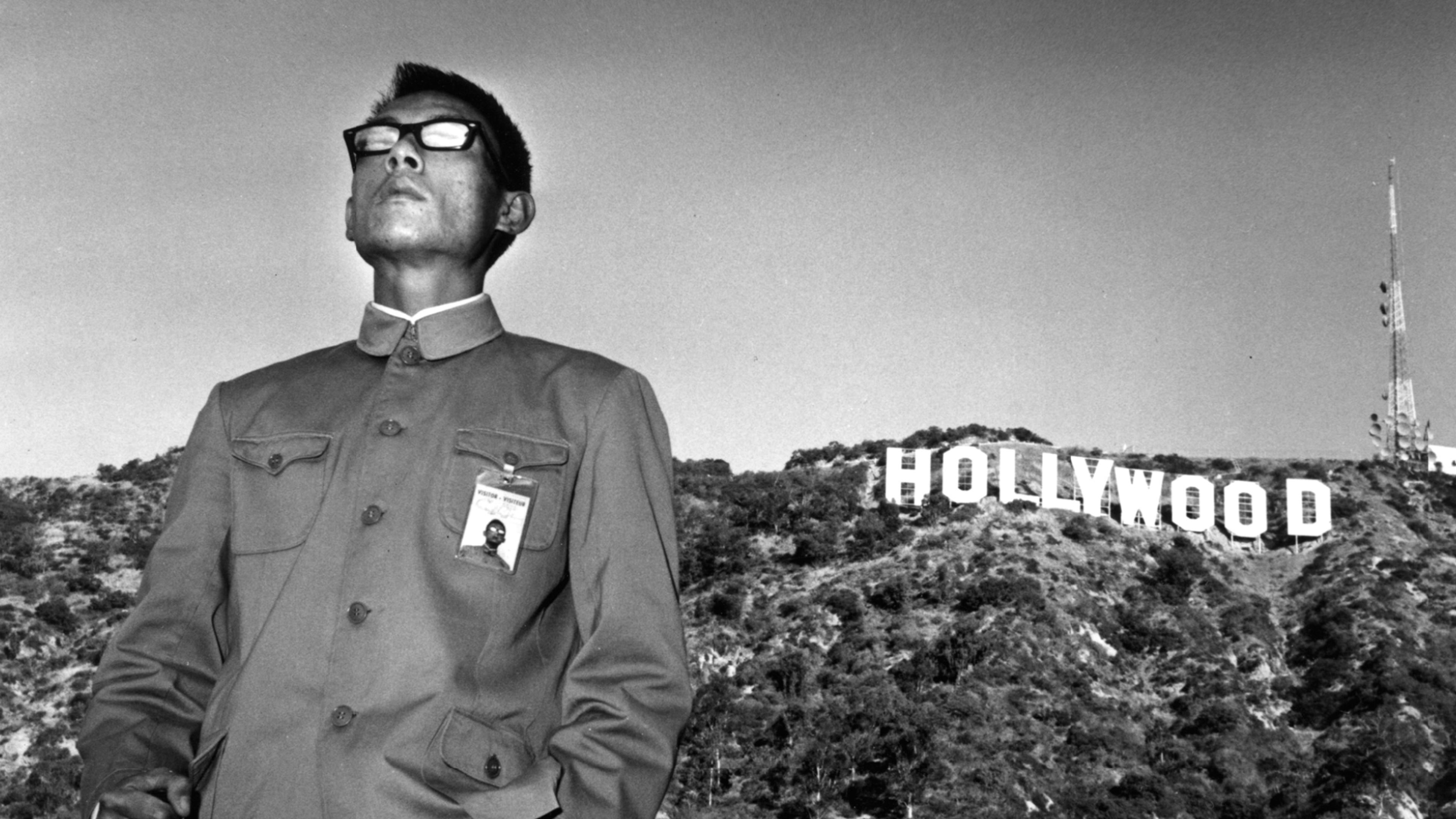
videoArt
When East met West in the images of an overlooked, original photographer
9 minutes
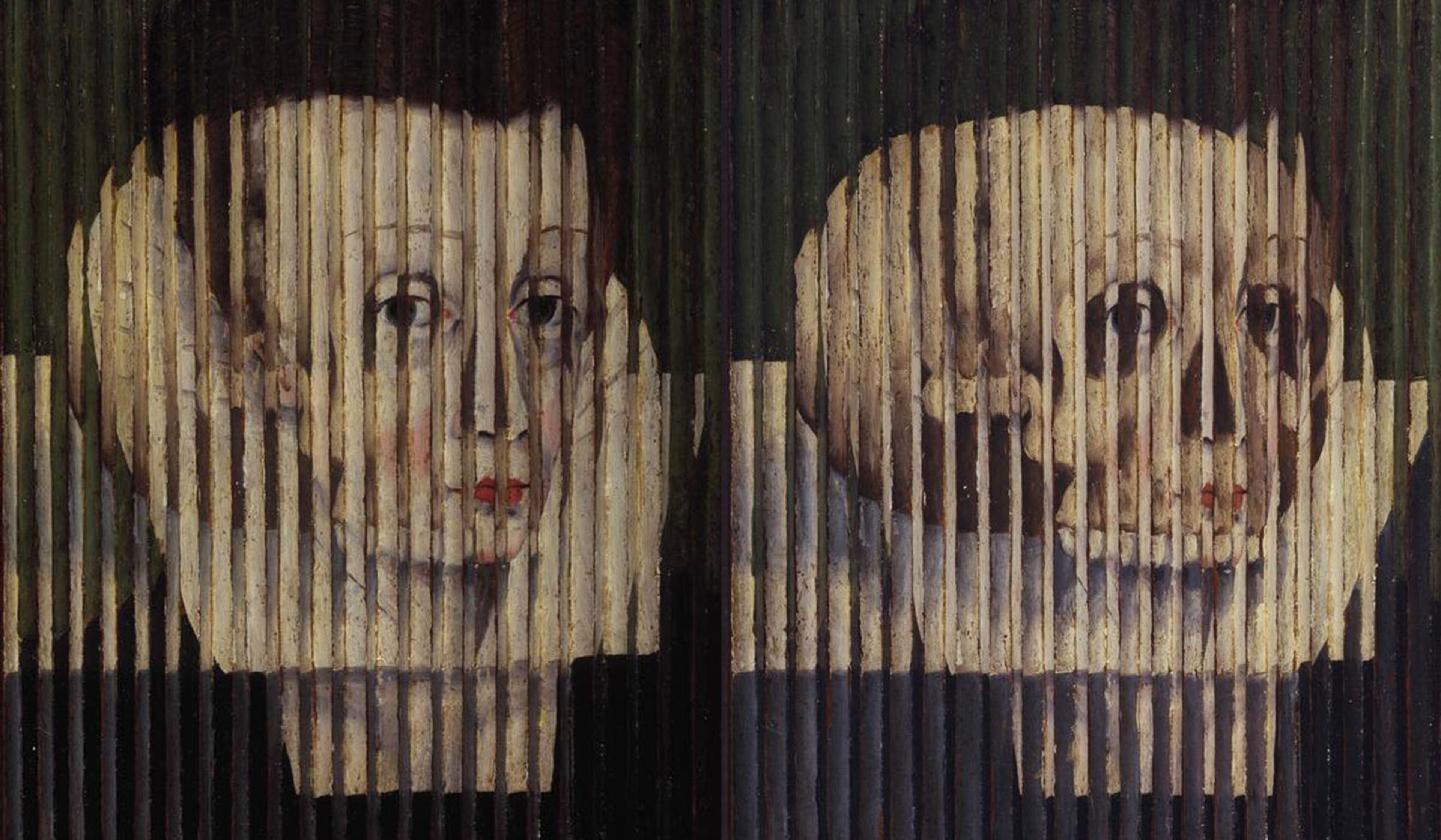
videoArt
The Renaissance art illusion that proved everything is a matter of perspective
14 minutes
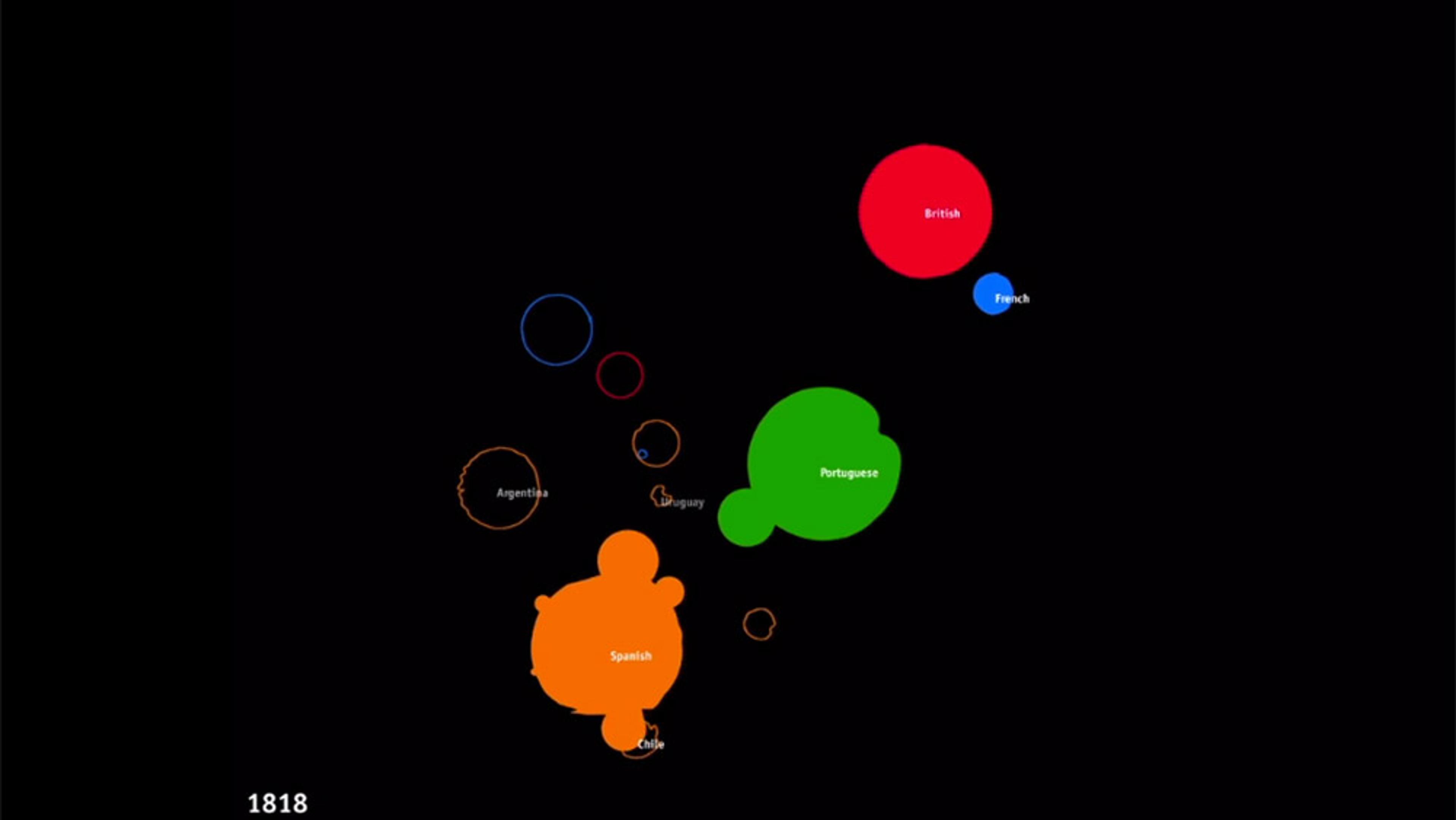
videoNations and empires
Colonialism as mitosis – the rise and fall of empires, rendered as cell division
4 minutes
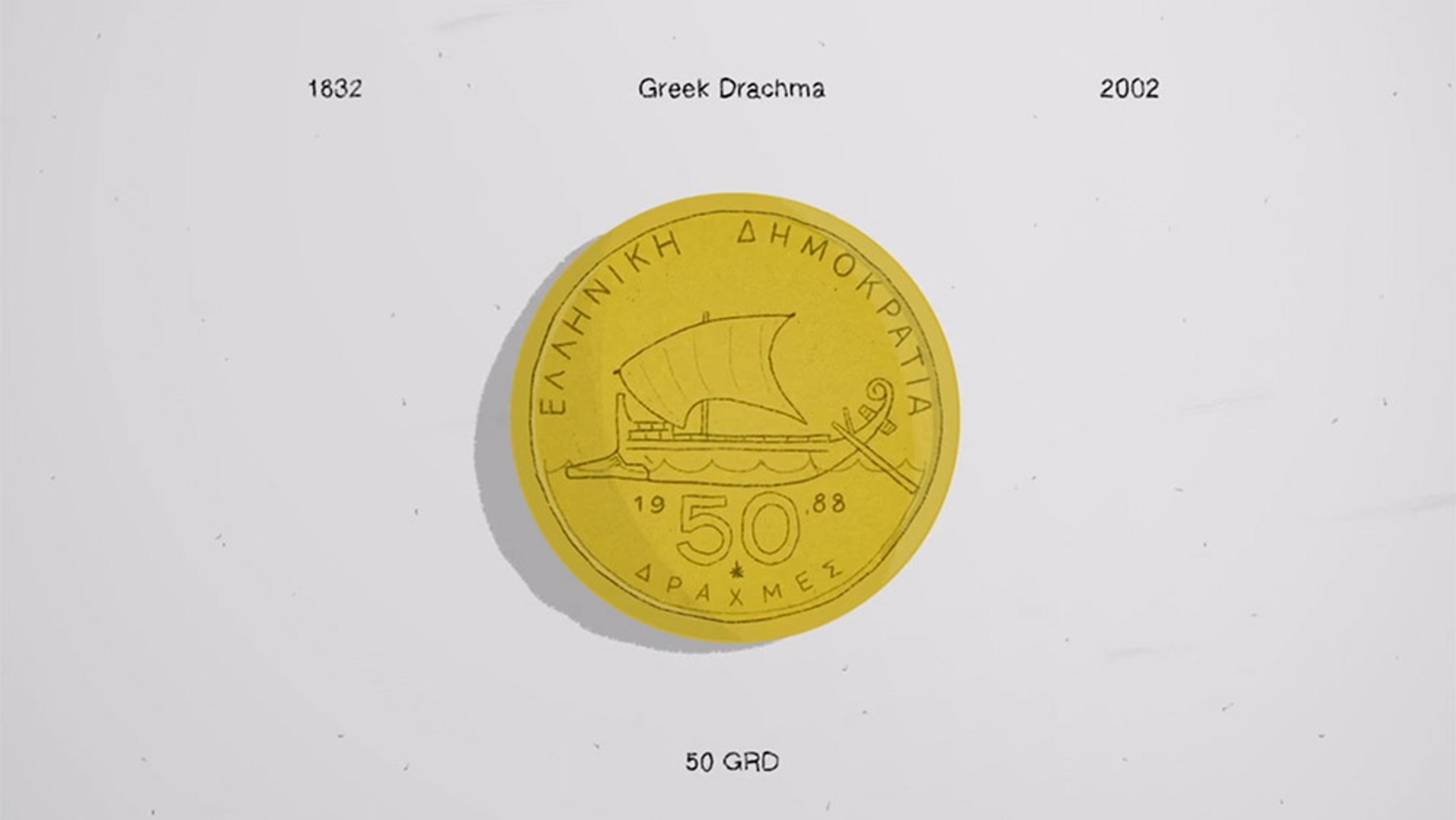
videoDesign and fashion
Liras, drachmas and kroons: coins before the euro tell their own stories
2 minutes
videoDesign and fashion
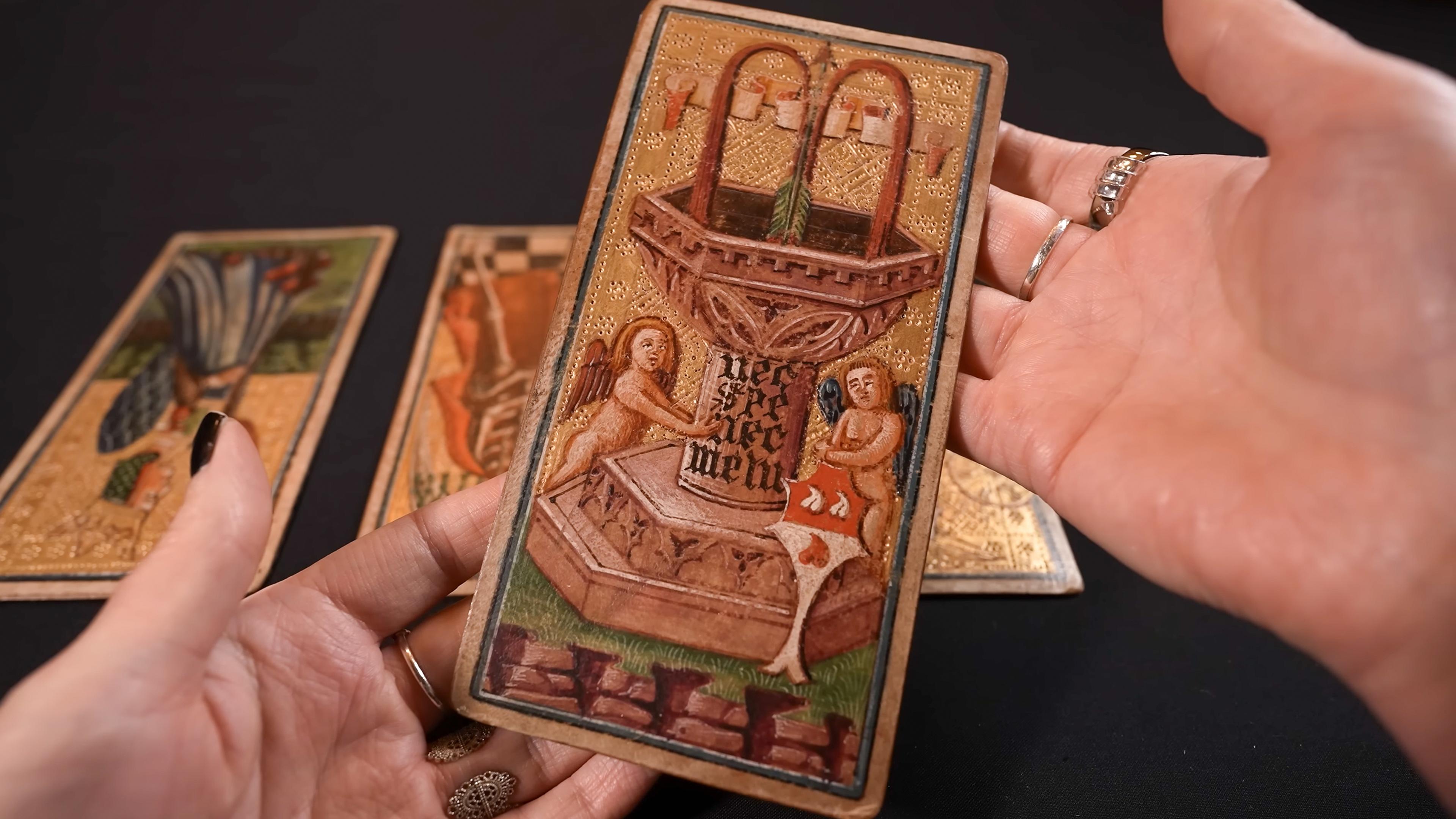
Beyond fortune-telling – the enduring beauty and allure of tarot
16 minutes