If you’ve ever tripped up over the term ‘Bayesian’ while reading up on data or tech, fear not. Strip away the jargon and notation, and even the mathematics-averse can make sense of the simple yet revolutionary concept at the core of both machine learning and behavioural economics. As this video from the YouTube channel 3Blue1Brown skilfully explains, at its most basic, Bayes’s theorem is a tool for assessing degrees of probability based on prior conditions. And there are ways to make it altogether more intuitive than the statistical formulas might suggest. Although the theorem dates back to its 18th-century namesake, the English statistician and philosopher Thomas Bayes, it has gained increasing relevance in the Big Data revolution.
What is it to be Bayesian? The (pretty simple) math modelling behind a Big Data buzzword
Video by 3Blue1Brown
17 January 2020

videoTechnology and the self
Algorithms are opinions, not truth machines, and demand the application of ethics
3 minutes

videoMathematics
Correlations can’t imply causation? Not so fast. A primer on causal networks
4 minutes
videoLogic and probability
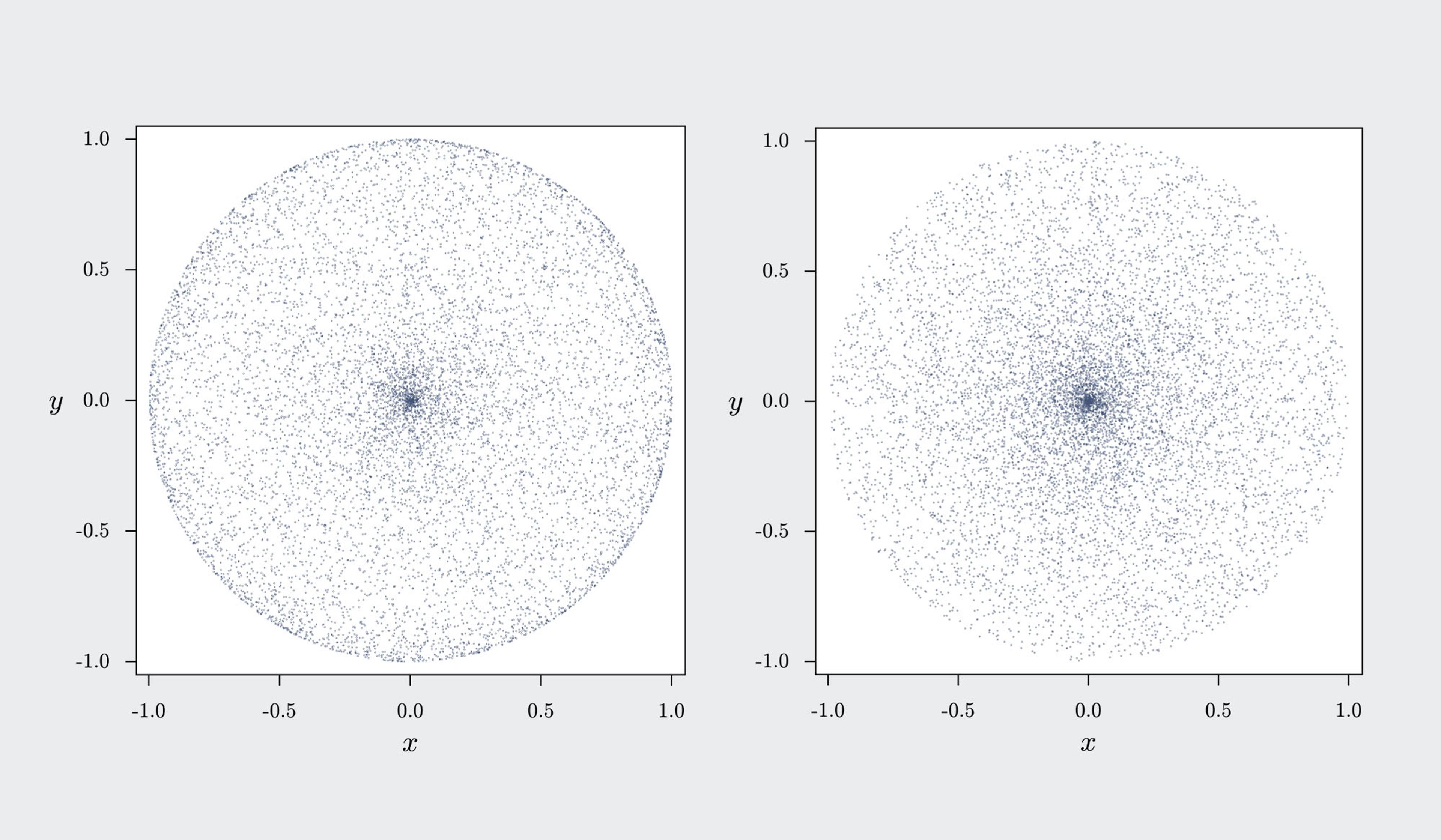
The unresolved probability paradox that goes to the heart of scientific objectivity
8 minutes

videoComputing and artificial intelligence
Why large language models are mysterious – even to their creators
8 minutes

videoMathematics
Snowflake formulas, dice odds and other satisfying maths of the everyday
2 minutes
videoMathematics
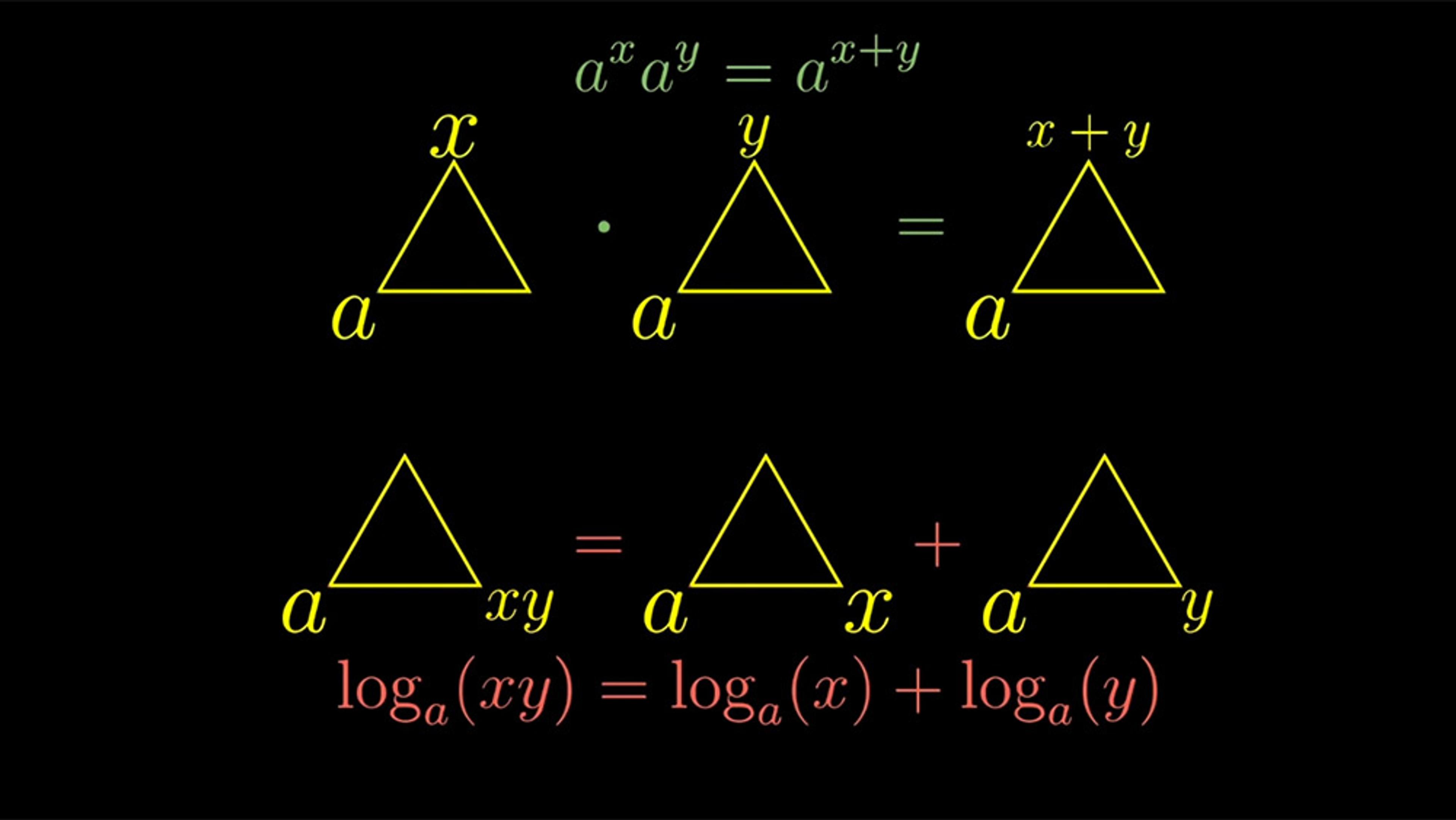
Maths notation is needlessly complex. It can and should be better
8 minutes

videoMathematics
How a verbal paradox shattered the notion of total certainty in mathematics
5 minutes
videoComputing and artificial intelligence
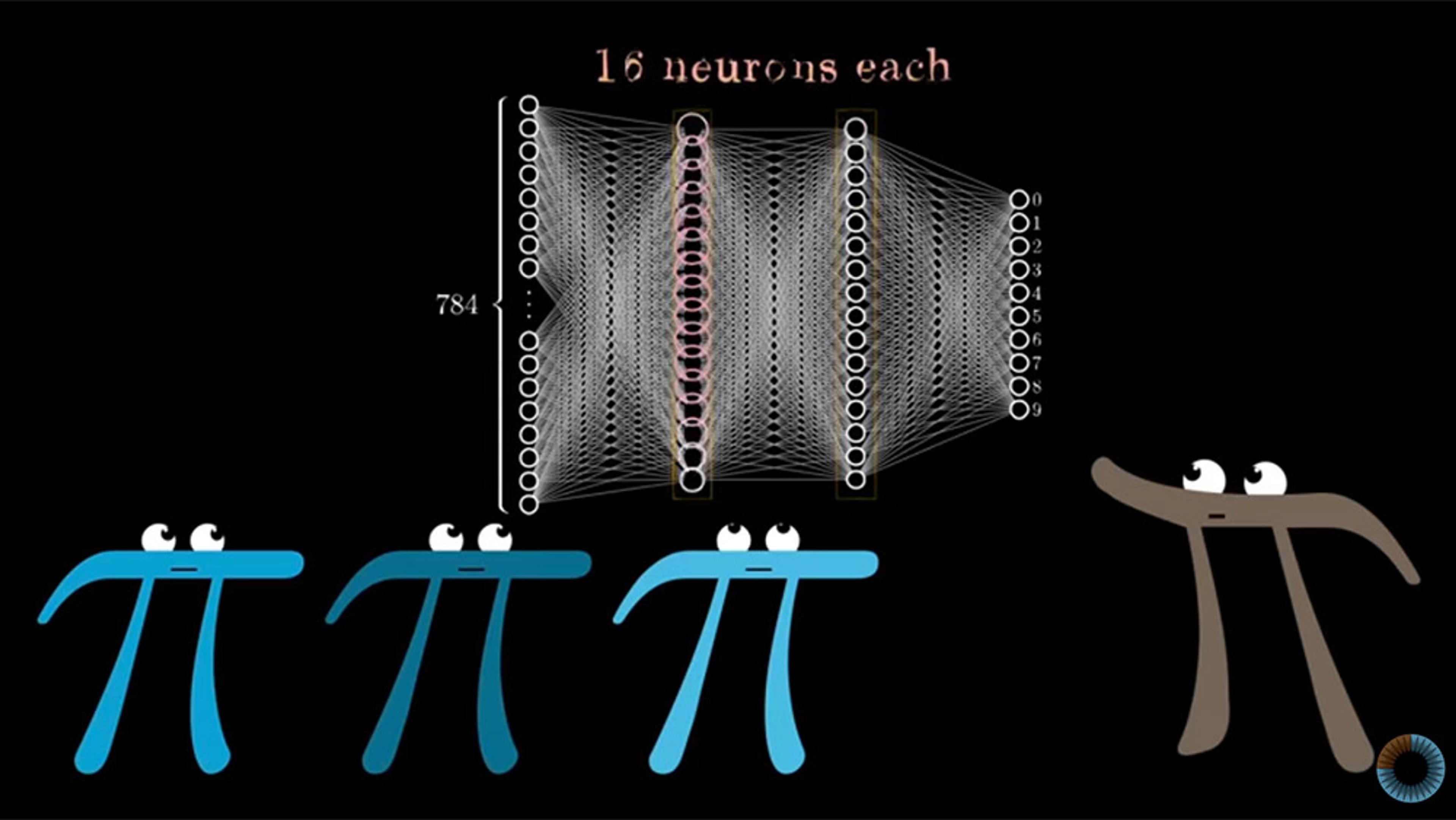
Why artificial neural networks have a long way to go before they can ‘see’ like us
19 minutes

videoComputing and artificial intelligence
Machine learning is important, but some AIs just want to have fun
57 minutes