Ever since humans first peered into the microbial world in the late-17th century, observers have been intrigued and mystified by the roughly 1,000-celled creatures known as rotifers. Scientists have learned much about these small animals over the past several hundred years, having identified some 2,000 species in the phylum Rotifera. But much about them, including their reasons for congregating in colonies and their ability to reemerge following extensive hibernation, remains mysterious. This short video from the YouTube channel Journey to the Microcosmos takes a close-up look at how these creatures live, die and dry out to enter a peculiar state somewhere in between. Brimming with captivating visuals and insights, the video provides an intriguing look into the intricate world of small-scale life unfolding just out of human sight.
An ode to the humble rotifer – one of nature’s simplest and strangest creatures
Video by Journey to the Microcosmos
Producer: Matthew Gaydos
videoHistory of science
‘I could not but wonder at it’: history’s first glimpses into the microbial world
7 minutes
videoHistory of science
There’s no one way a microbe looks, only different clever methods to see it
13 minutes
videoBiology
The blob with a superpower: cut a flatworm in four pieces and watch it regenerate four-fold
5 minutes

videoBiology
The idea that life on Earth originated elsewhere is not as far out as it seems
6 minutes
videoEcology and environmental sciences
Will life-forms that can go a century without water save crops from droughts?
3 minutes
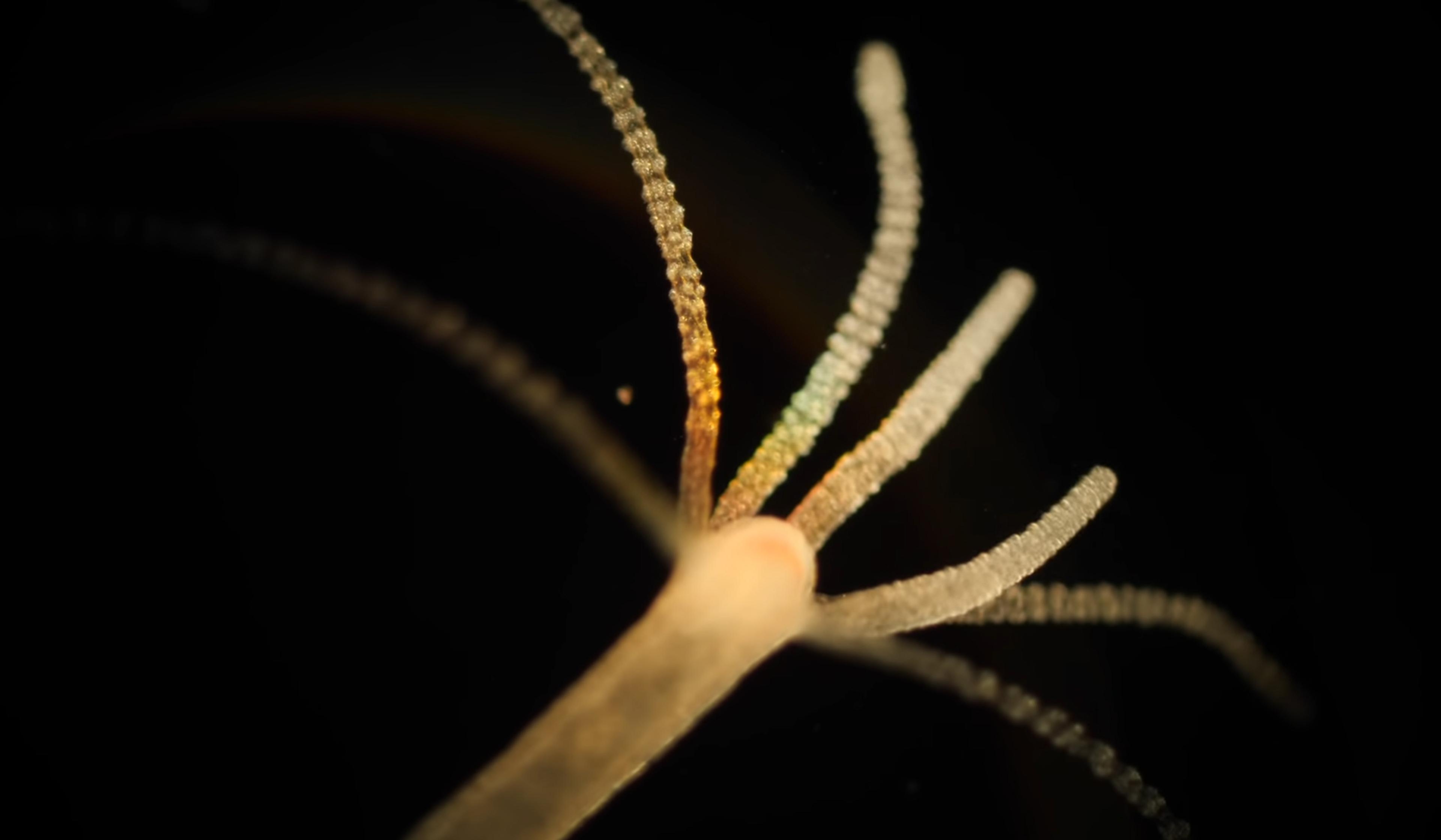
videoBiology
Blend up a hydra, and its cells will coalesce back into a full creature. How?
5 minutes
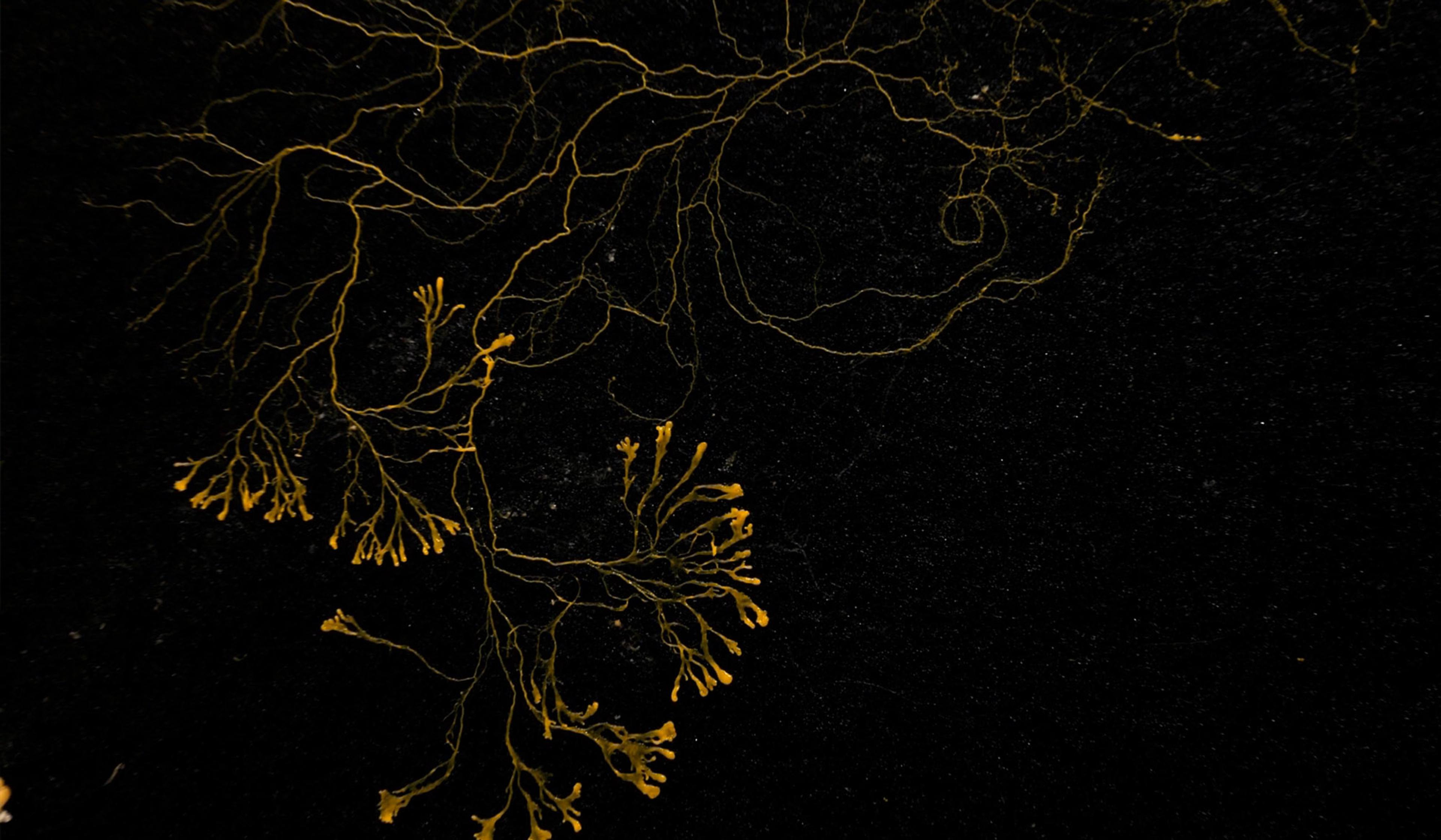
videoBiology
Creeping through mazes, repelling threats – the slo-mo smarts of slime moulds
5 minutes
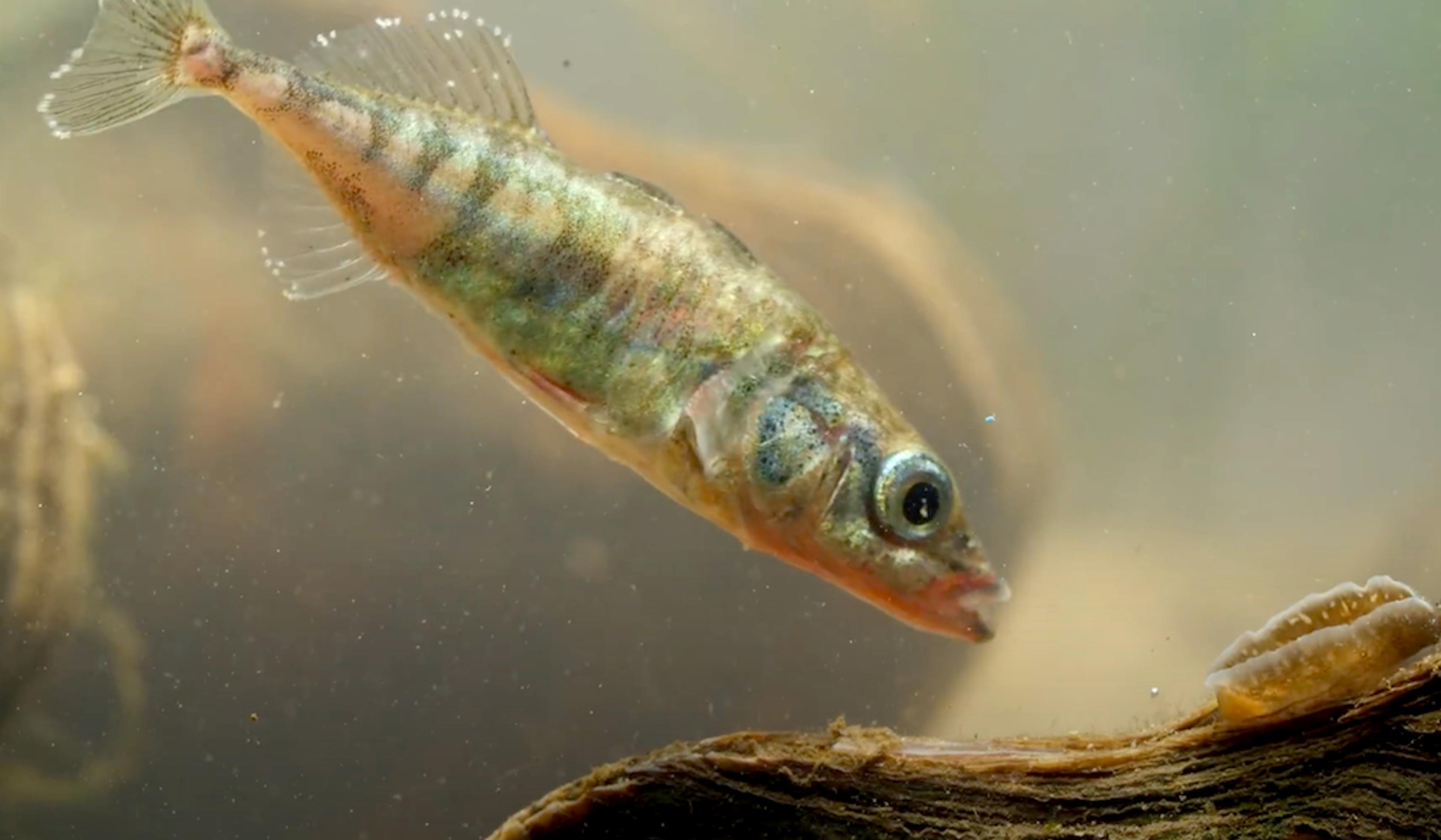
videoEcology and environmental sciences
Watch as wanderlust propels mussels on epic journeys worthy of a Pixar movie
5 minutes
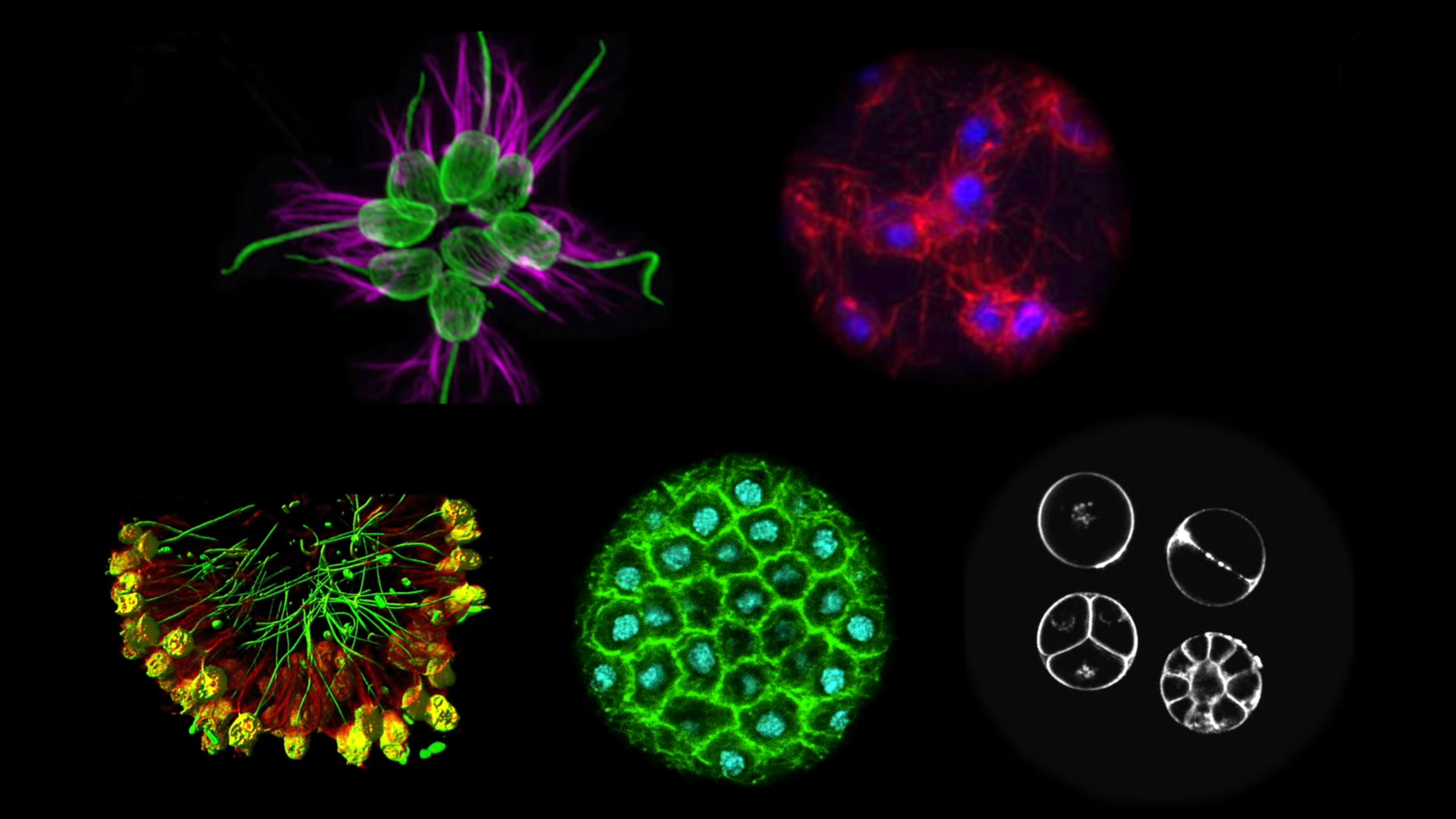
videoBiology
For 3 billion years, life was unicellular. Why did it start to collaborate?
4 minutes