You and a friend are prisoners with one shot at escape. A peculiarly mathematics-oriented warden has set up a puzzle that, if solved, will set you free. The rules are as follows: while the other prisoner is locked away elsewhere, you watch the warden hide a key under a single square of a chessboard. Each square has a coin flipped to heads or tails on top. You must flip just one coin to help indicate the key’s location to your puzzle partner, who will receive it in another room. Before you witness the key’s placement, you and your friend are given an opportunity to concoct a strategy together – although the warden is able to listen in, and can arrange the coins ahead of time to try and disrupt it. Is it possible to hatch a foolproof plan? The answer, in most cases, is no. But figuring out why, as guided by the mathematical wizardry of the US YouTuber Grant Sanderson, is a brain-bending exercise all of its own. In this video, part of Sanderson’s 3Blue1Brown video series, he uses the twisty prisoner puzzle as a springboard to explore how mathematical visualisation can be a useful tool for methodical problem-solving.
This puzzle is nearly impossible – but working out why is its own brain-teaser
Video by 3Blue1Brown
videoLogic and probability
Chew over the prisoner’s dilemma and see if you can find the rational path out
6 minutes
videoMathematics
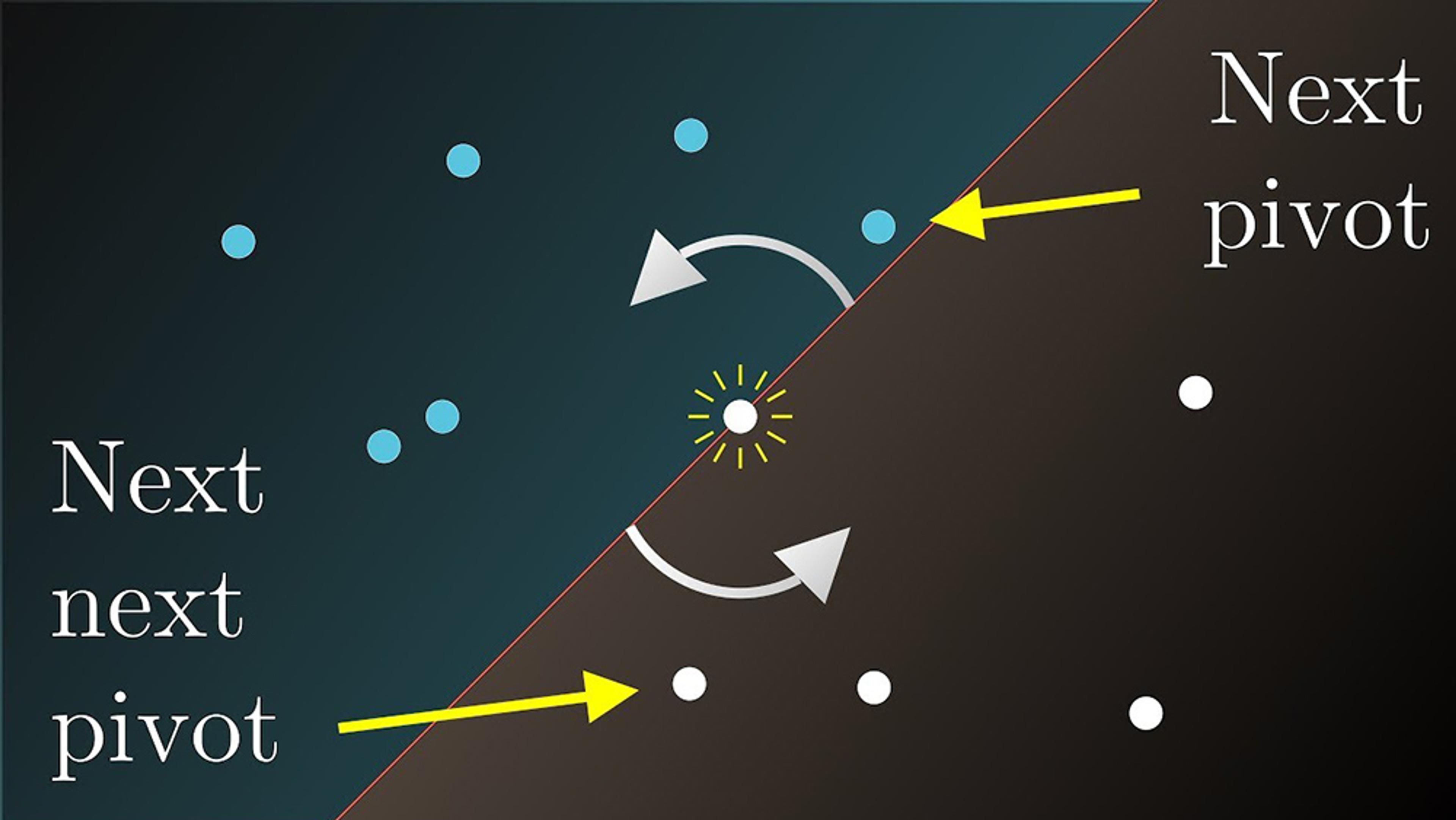
Can you solve this slippery maths puzzle that doubles as a morality tale?
16 minutes
videoComputing and artificial intelligence
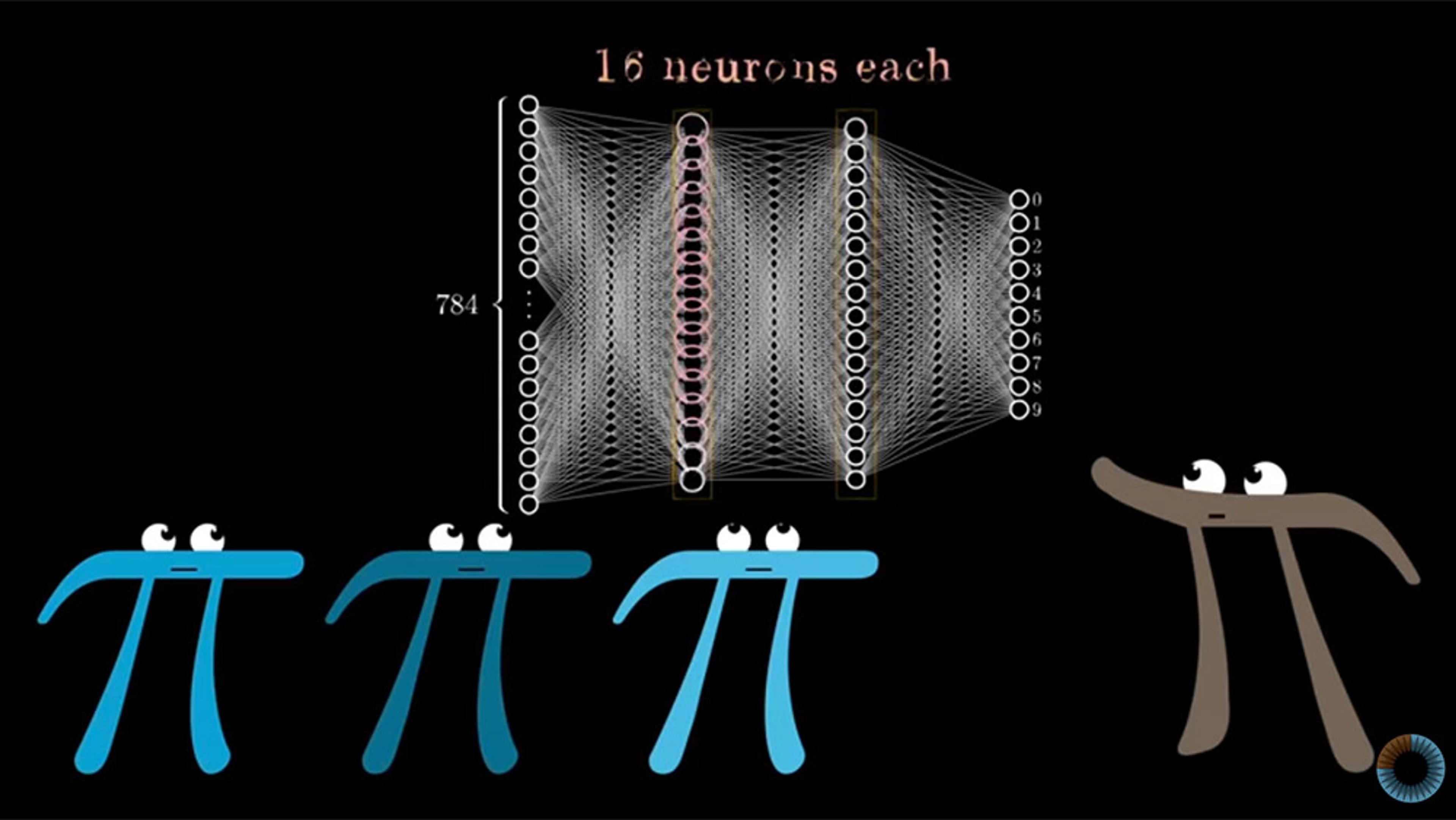
Why artificial neural networks have a long way to go before they can ‘see’ like us
19 minutes
videoMathematics
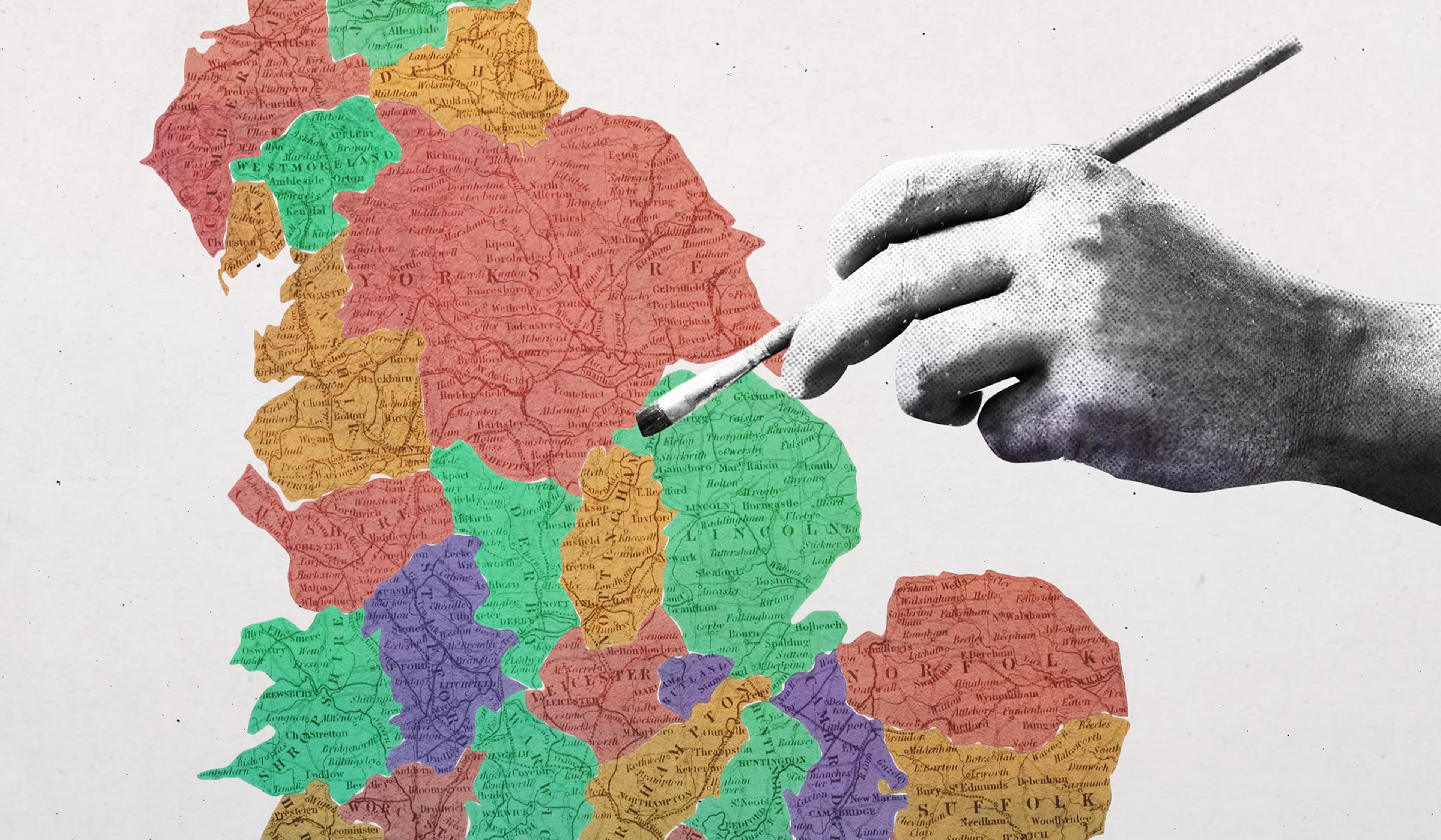
How a curious question about colouring maps changed mathematics forever
9 minutes
videoTechnology and the self
Algorithms are opinions, not truth machines, and demand the application of ethics
3 minutes
videoMathematics
How a verbal paradox shattered the notion of total certainty in mathematics
5 minutes
videoMathematics
The pleasure of being fooled: inventor Mark Setteducati makes maths into magic
4 minutes
videoMathematics
Snowflake formulas, dice odds and other satisfying maths of the everyday
2 minutes
videoStories and literature
He ate the albatross soup, then shot himself: why? A trippy animation solves the riddle
7 minutes