The debate around free will has been raging for millennia and, frankly, isn’t likely to be settled any time soon. But, as this short documentary from BBC Reel demonstrates, that doesn’t mean it isn’t a debate worth having. By interviewing leading thinkers across neuroscience, physics and moral philosophy, the UK journalist Melissa Hogenboom investigates where the intersecting debates over free will currently stand. The film surveys some of the most contentious controversies surrounding free will – from the legacy of the ‘Libet experiment’ to the concept of moral responsibility – to provide a fascinating dive into our current understanding of how and why we make the decisions we make, and what that should mean for how we understand our world.
We may never settle the ‘free will’ debate, but tapping into it is still worthwhile
Video by BBC Reel
Directors: Melissa Hogenboom, Pierangelo Pirak
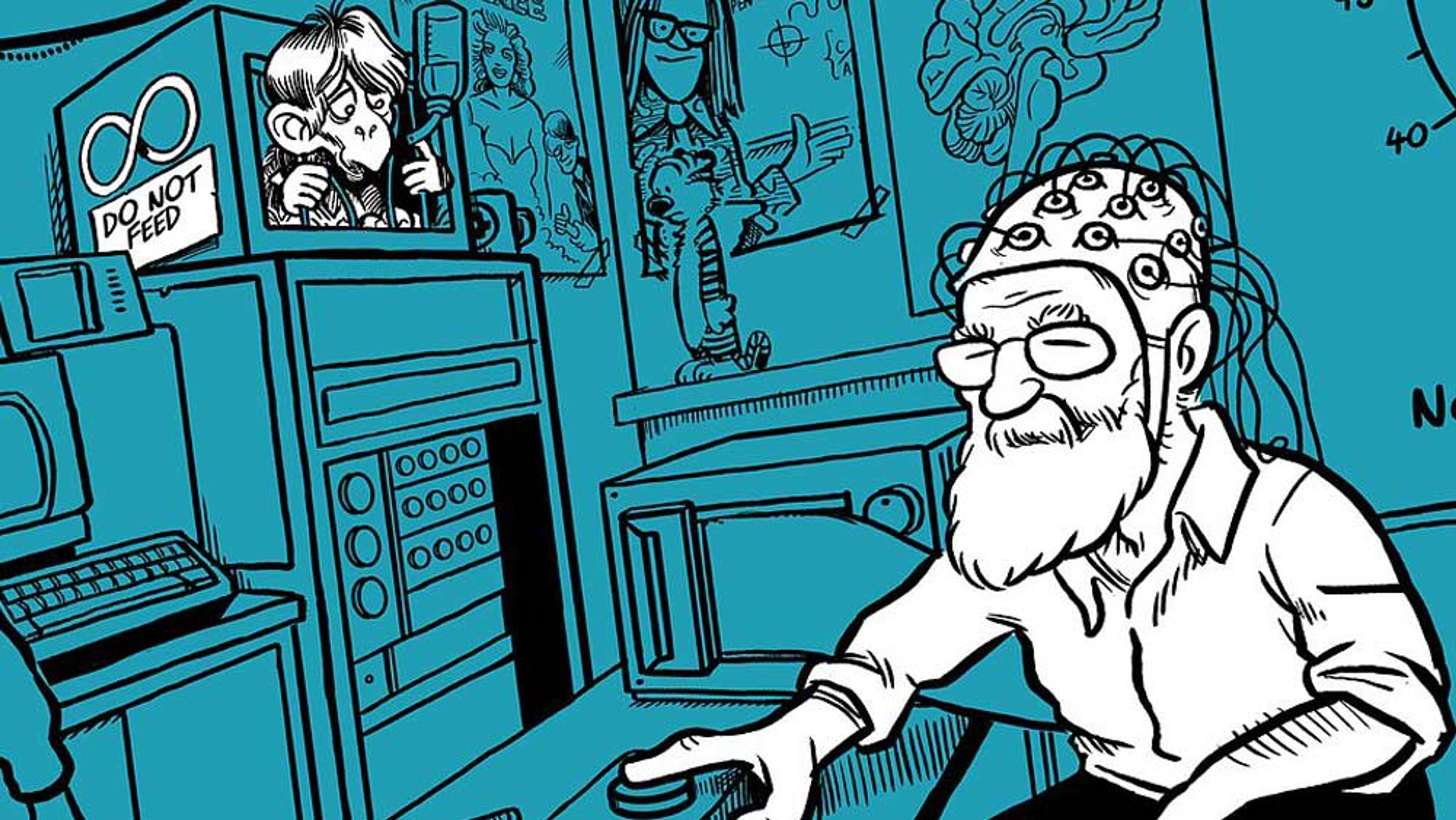
videoPhilosophy of mind
Can we really make conscious decisions, or is agency just a trick of the brain?
2 minutes
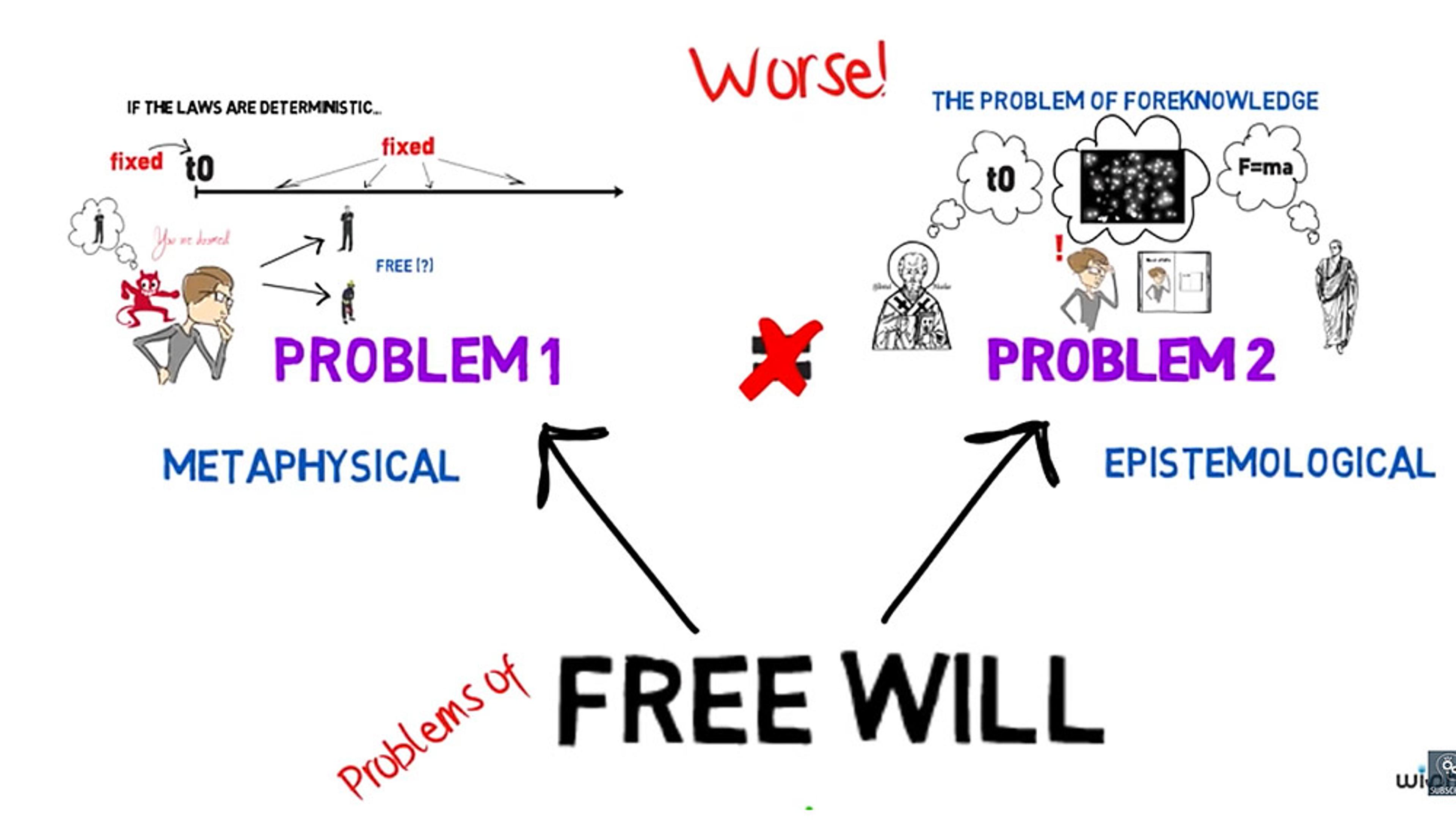
videoPhilosophy of mind
If you knew everything, could you predict anything? A thought experiment
8 minutes
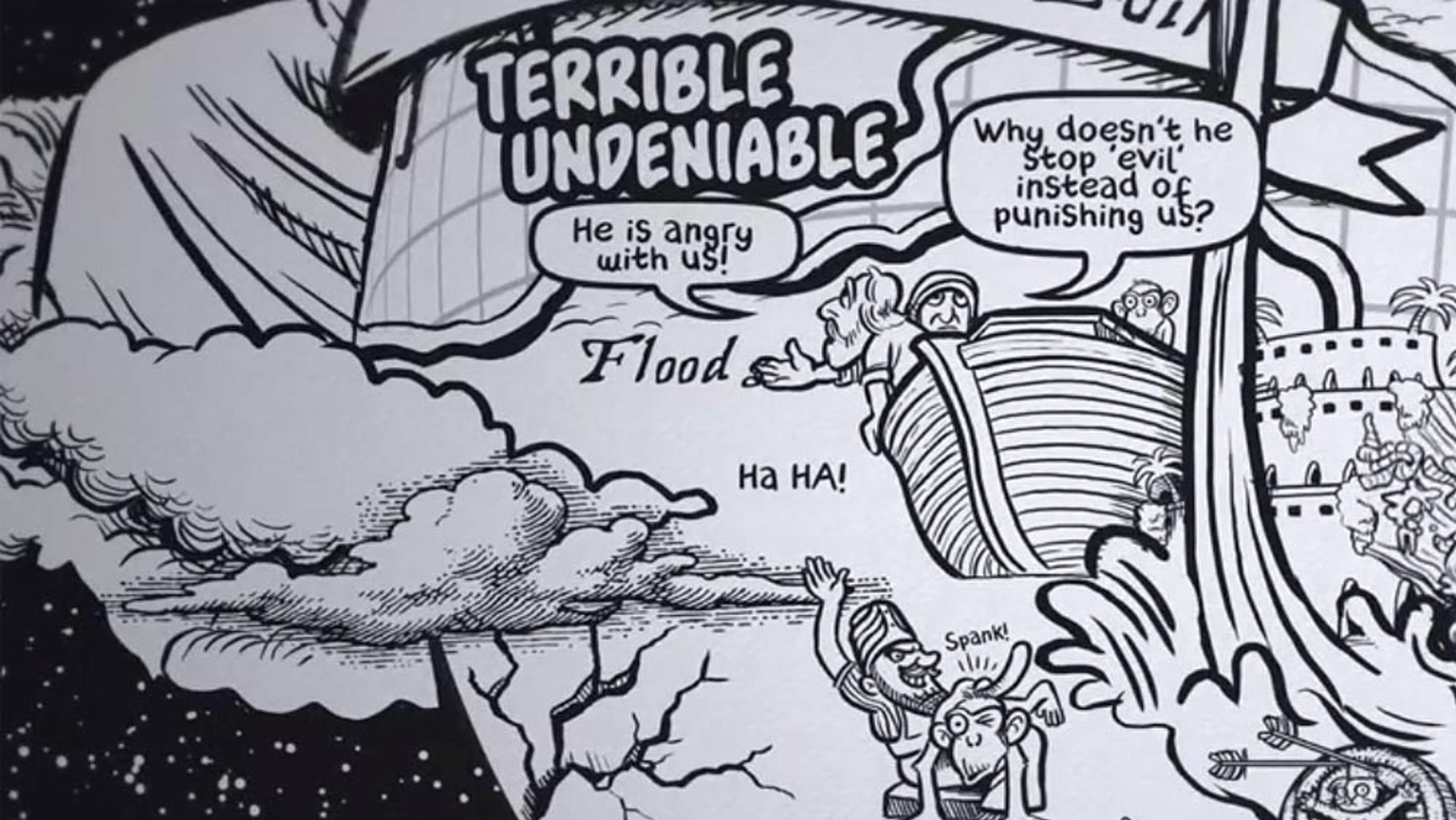
videoPhilosophy of religion
How could a benevolent god allow evil? Is it really just a matter of free will?
2 minutes
videoDeath
Even in modern secular societies, belief in an afterlife persists. Why?
9 minutes
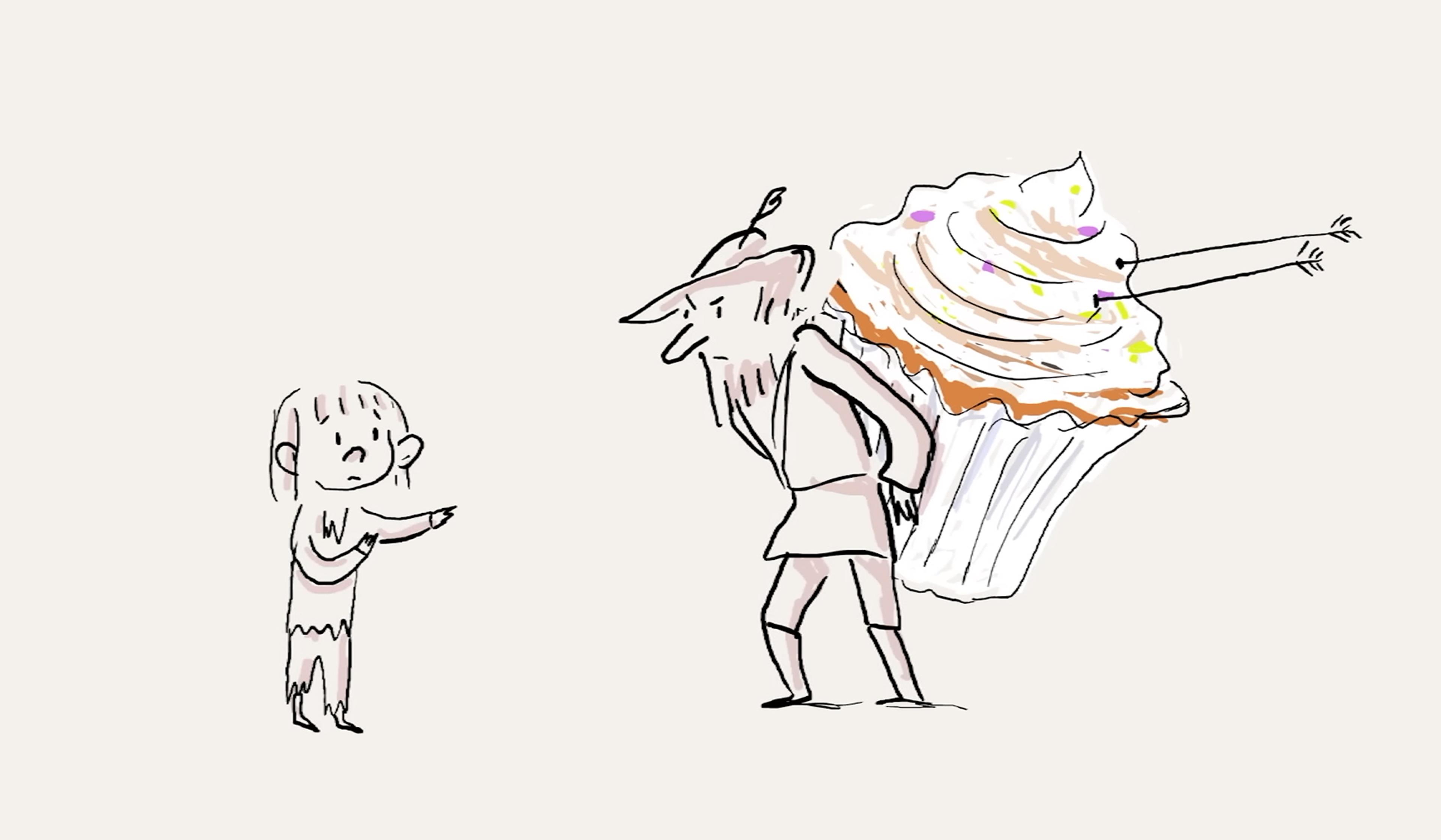
videoEthics
For Iris Murdoch, selfishness is a fault that can be solved by reframing the world
6 minutes
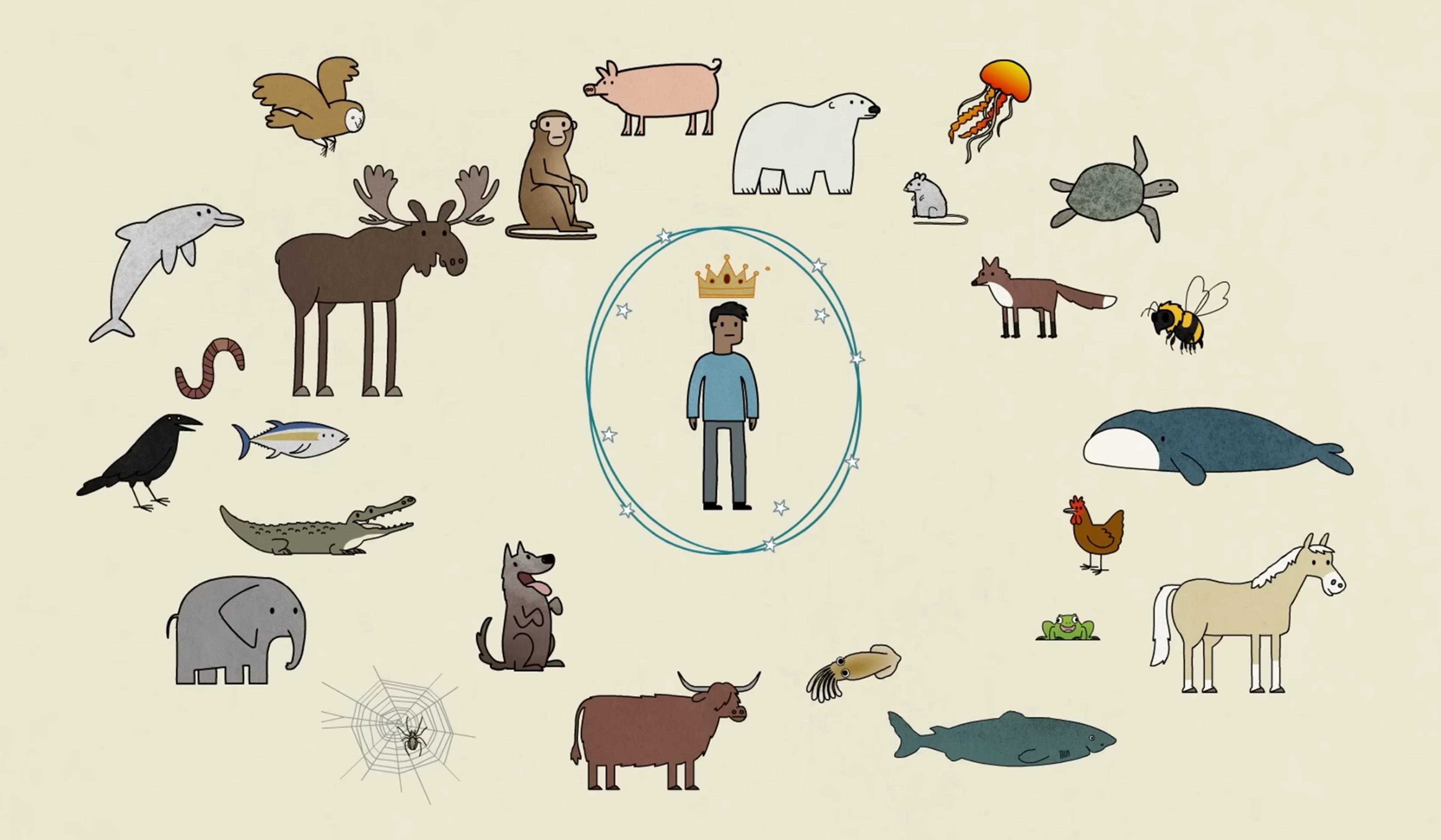
videoEthics
How many monkeys is it worth sacrificing to save a human life?
6 minutes
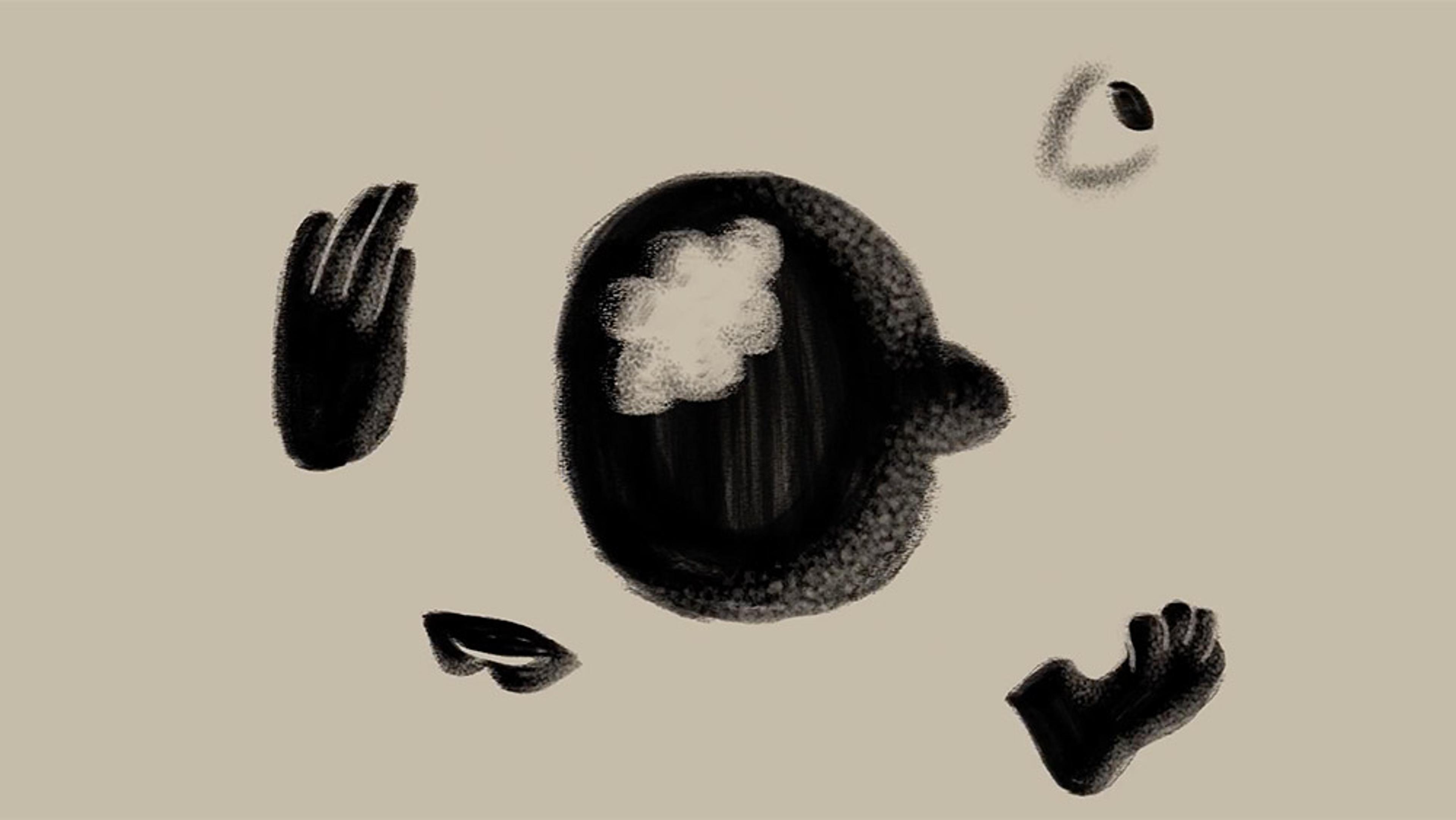
videoCognition and intelligence
Leaping from firing neurons to human behaviour is tempting, but it’s a perilous gap
3 minutes
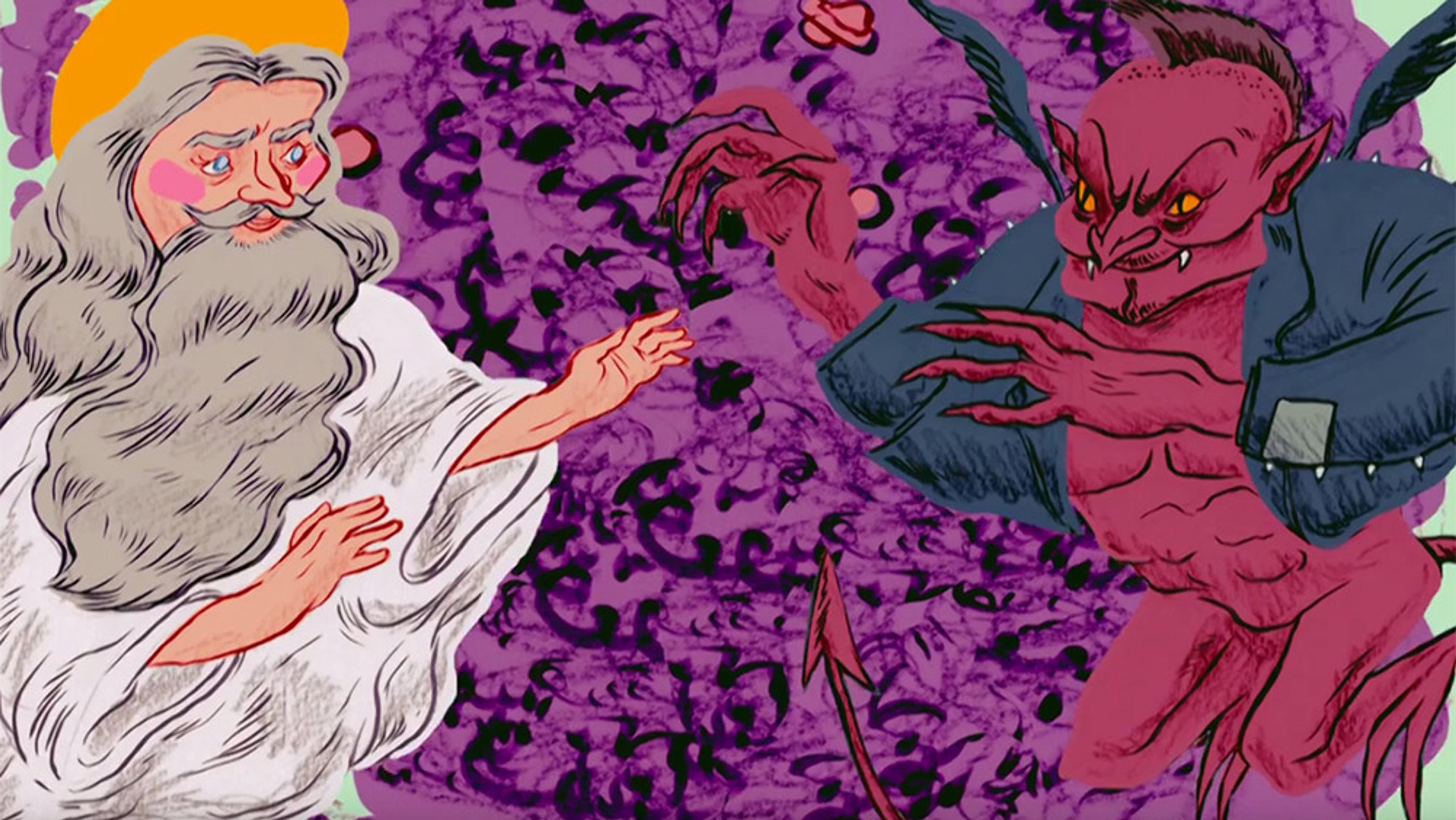
videoPhilosophy of religion
What, if anything, makes an all-good god less absurd than an all-evil one?
4 minutes
videoPhilosophy of mind
Embodied cognition seems intuitive, but philosophy can push it to some strange places
14 minutes